Table of Contents
- Significance of Selecting Leading Districts for Busan's Old Planned City Maintenance
- Overview of Leading District Selection Results
- Maintenance Direction for Huam·Geumgok District 12
- Reconstruction Promotion for Haeundae 1·2 District 2
- Busan Future City Support Center and Administrative Support
- Conclusion | Institutional Start of Busan New Town Reconstruction
- Frequently Asked Questions (FAQ)
Significance of Selecting Leading Districts for Busan's Old Planned City Maintenance

The city of Busan is set to officially begin the reconstruction of new towns with the final confirmation of the first phase leading district of the old planned city maintenance project.
This project includes the Huam and Geumgok districts and the Haeundae 1 and 2 districts, totaling 7,318 units.
This initiative is the first instance of old planned city maintenance implemented in local metropolitan areas after the first new towns in the metropolitan area and is considered a critical turning point in Busan's urban policy.
Overview of Leading District Selection Results
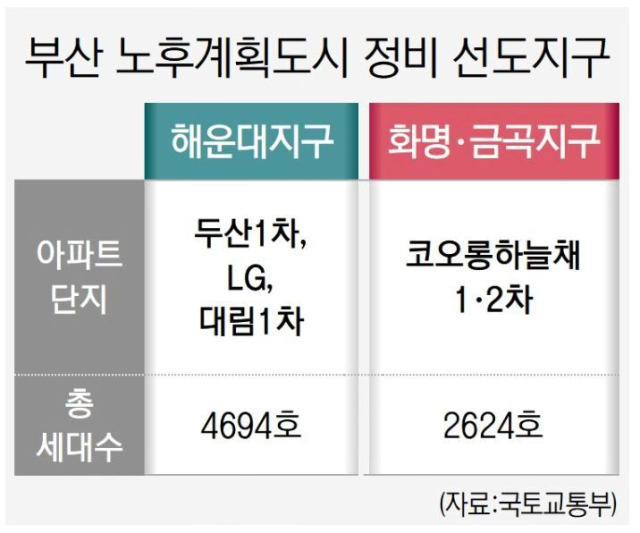
The first phase leading district is divided into two major areas.
The Huam·Geumgok district consists of 12 zones, with a total of 2,624 units included. Next, the Haeundae1·2 district has 2 zones with 4,694 units. This results in a total of 7,318 units across the two areas.
The application was accepted in October, and the final candidates were determined through a review by the evaluation committee. The city of Busan plans to quickly promote special maintenance plans based on these areas.
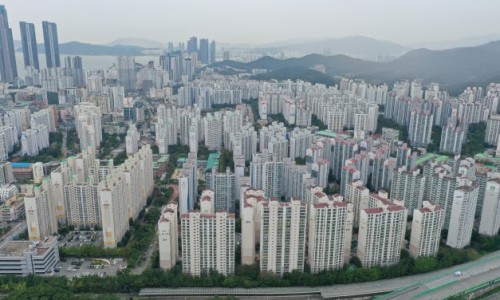
Maintenance Direction for Huam·Geumgok District 12
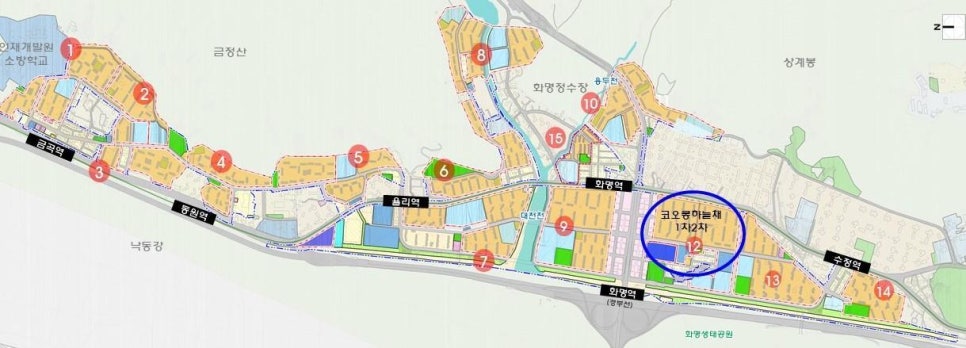
Huam·Geumgok District 12 is composed of Kolon Hanulchae 1st and 2nd phases. This area has seen severe deterioration of residential facilities since the development of the planned city, necessitating its designation as a leading district for mid-rise focused reconstruction.
The city of Busan will support the early initiation of a special maintenance plan for this area and plans to enhance project viability through expert consultations. Additionally, the city aims to minimize uncertainties that may arise in the early stages by reducing the cost burden related to resident consent procedures.
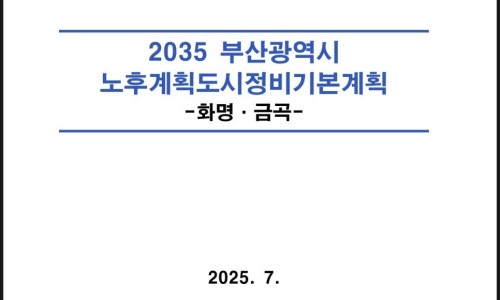
Reconstruction Promotion for Haeundae 1·2 District 2
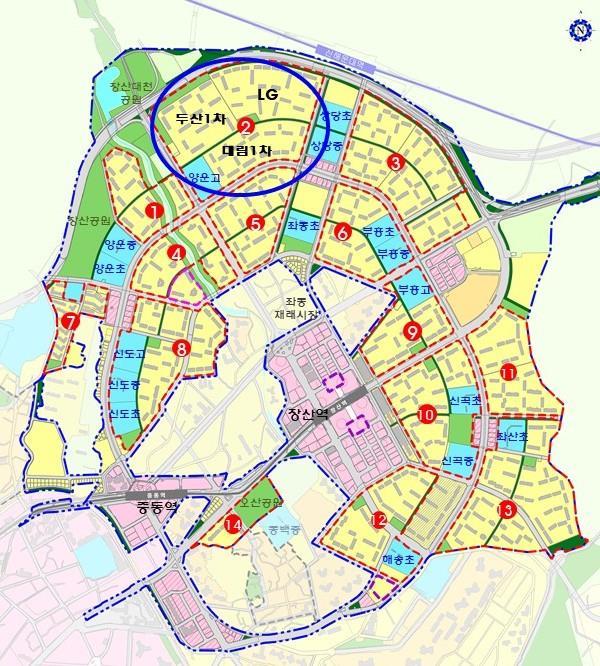
Haeundae 1·2 District 2 consists of three complexes: Doosan 1st phase, LG, and Daelim 1st phase, boasting a total of 4,694 units.
The Haeundae new town area has excellent living amenities and location, but the deterioration of housing is severe. Being designated as a leading district has established an institutional basis for promoting reconstruction.
The city of Busan plans to enhance the speed of the project and the residents' sense of involvement through the simplification of procedures and administrative support.

Busan Future City Support Center and Administrative Support
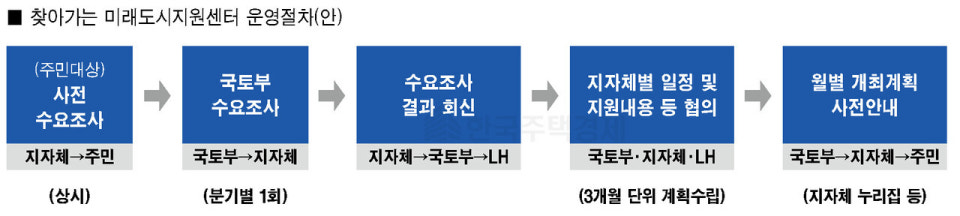
The city of Busan plans to establish the 'Busan Future City Support Center' in the first half of 2026 in cooperation with the Ministry of Land, Infrastructure and Transport. This center will provide a variety of services to residents, including guidance on project procedures and systems, consulting for maintenance plan establishment, designation of special maintenance zones, and support for permits and licenses.
This will play a significant role in establishing a one-stop administrative support system.
Additionally, the city plans to complete and announce the basic plan for phase 1 early next year after the Urban Planning Committee deliberation at the end of this month, and also simultaneously promote the basic plan for phase 2 covering the areas of Madae, Mandeok, Mora, Gaegeum, and Dangam.
Conclusion | Institutional Start of Busan New Town Reconstruction
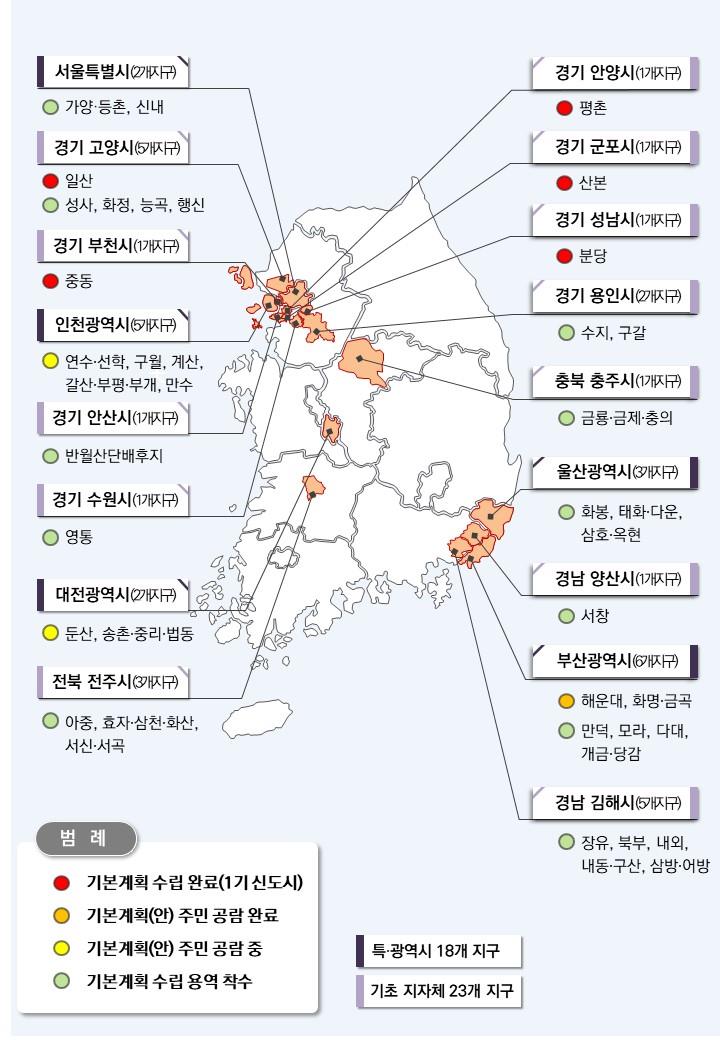
The selection of the leading district for Busan's old planned city maintenance project marks an important first step in effectively reorganizing the entire planned city beyond mere reconstruction.
If a mid-rise reconstruction and a public-led administrative support model are established around the Huam and Geumgok, and Haeundae new towns, this could serve as a standard that will likely spread throughout Busan in the future. Such changes are expected to have a significant impact on the development of Busan's urban landscape.
#BusanOldPlannedCityMaintenanceProject, #BusanLeadingDistrict, #HaeundaeReconstruction, #HuamGeumgokReconstruction, #Haeundae1_2District, #HuamGeumgokDistrict, #Doosan1stPhase, #LGApartment, #Daelim1stPhase, #KolonHanulchae, #BusanReconstruction, #BusanNewTown, #MidRiseReconstruction, #BusanFutureCitySupportCenter, #OldPlannedCity, #BusanRealEstate, #BusanUrbanMaintenance, #ReconstructionPolicy, #MinistryOfLandInfrastructureAndTransport, #BusanCityPolicy, #ResidentialEnvironmentImprovement, #UrbanReorganization, #NewTownReorganization, #HaeundaeNewTown, #HuamDong, #GeumgokDong, #BusanApartments, #BusanHousingMarket, #ReconstructionIssues, #BusanUrbanPlanning
Frequently Asked Questions (FAQ)
Q. What is the significance of selecting the leading district for Busan's old planned city maintenance project phase 1?
The selection of phase 1 leading districts for Busan's old planned city maintenance project signifies the initiation of reconstruction for aging new towns in local metropolitan areas.
The city of Busan has officially begun the reconstruction of new towns with the confirmation of the leading districts for the old planned city maintenance project phase 1. This project is the first of its kind for the maintenance of aging new towns in metropolitan areas after the first new towns in the capital region and is an important milestone in Busan's urban policy shift. A total of 7,318 units, including districts Huam, Geumgok, and Haeundae 1 and 2, mark the institutional starting point for Busan's new town reconstruction.
Q. What areas are included in the phase 1 leading district?
It consists of Huam·Geumgok District 12 and Haeundae 1·2 District 2, totaling 7,318 units.
The phase 1 leading district is divided into two major areas. The Huam·Geumgok district has 12 zones, including a total of 2,624 units, while Haeundae 1·2 District 2 is composed of the Doosan 1st phase, LG, and Daelim 1st phase complexes, totaling 4,694 units. These were selected through Busan city's public invitation and evaluation process, and the city plans to promptly promote a special maintenance plan.
Q. What is the reconstruction direction for Huam·Geumgok District 12?
The district aims to resolve aging housing issues through mid-rise focused reconstruction and enhancements of project viability.
Huam·Geumgok District 12 comprises Kolon Hanulchae 1 and 2 phases, where serious aging of residential issues has occurred since the planned city development. Mid-rise centered reconstruction will be pursued. The city of Busan will promote the early implementation of a special maintenance plan and enhance project viability through expert consultations, while also aiming to minimize initial uncertainties by reducing the cost burden associated with resident consent processes. This will effectively improve the living environment.
Q. What is the current status and plan for the reconstruction of Haeundae 1·2 District 2?
The district has laid the institutional foundation for reconstruction and will strengthen administrative support.
Haeundae 1·2 District 2 consists of three complexes: Doosan 1st phase, LG, and Daelim 1st phase, with a total of 4,694 units, located in an area with a high concentration of aging housing within the Haeundae new town. The designation of this leading district has made reconstruction promotion possible, and the city of Busan plans to improve project speed and residents' perceptual involvement through procedural simplification and administrative support. This aims to enhance the living environment and ensure smooth progress of the reconstruction project.
Q. What is the role and establishment plan for the Busan Future City Support Center?
The center is scheduled to be established in the first half of 2026 and will provide one-stop administrative support.
The city of Busan plans to establish the 'Busan Future City Support Center' in partnership with the Ministry of Land, Infrastructure and Transport in the first half of 2026. This center will be responsible for providing services to residents, guiding project procedures and regulations, consulting for maintenance plan development, designating special maintenance zones, and issuing permits and licenses. This will implement a one-stop administrative support system for rapid project advancements and resident convenience.
