Table of Contents
Background of Coastal Road Traffic Innovation

As the traffic and residential environment improvement policy for Busan's coastal road is being actively implemented, expectations for change in the downtown area are rising.
The main goal of this policy is to resolve the structural traffic problems in the downtown, including the Choryang and Beomeo areas, while simultaneously improving the residential environment.
The Busan City has established a long-term strategy to seek an overall change in urban structure beyond simple road improvements through the "100-Year Traffic and Residential Revolution of Coastal Road" project.
In particular, it is focused on addressing the unique slope and disconnected traffic network issues of the coastal road. This approach is expected to have a positive impact on the quality of life for local residents.
Key Contents of the Half-Price Circular Bus

The most notable element of this policy is the introduction of the half-price circular bus. This is expected to become an important mode of transportation that connects the entire coastal road as a single living space.
The features of this circular bus are as follows. First, a circular route will be established across the entire coastal road, and the fare will be set at half the current rate. Furthermore, it will provide convenience with access to urban subway station areas within 5 minutes.
Notably, the accessibility to the subway is significantly improved. In the past, moving was inconvenient due to the sloping terrain, but with the introduction of this circular bus, the convenience of life is expected to increase considerably.
Additionally, it is projected to function as a genuinely useful public transport system by compensating for the limitations of existing monorails and elevators.
Connecting Road and Living Infrastructure

The traffic and residential environment improvement policy for Busan's coastal road includes a complete reorganization of road structures beyond just innovations in transportation modes.
The most important element is the construction of the 'connecting road', which directly links the coastal road and Jungangdaero. This will secure a four-lane or wider road, simplifying the movement routes and greatly enhancing accessibility by transforming complex paths into straight ones.
Moreover, the expansion of living infrastructure will also take place. Facilities like public parking lots, improved bus stops, small parks, and various living facilities will be added. These changes are expected to bring positive effects that enhance the overall quality of the residents' living environment beyond mere traffic improvements.
Slope Residential Model and Redevelopment

Another important element of this policy is the development of a Busan-style slope residential model. This includes tailored residential strategies to address the issues of old residential areas.
The main contents include applying residential designs specialized for slopes, encouraging redevelopment and reconstruction, and providing incentives to expand private participation. Notably, it is designed to consider both residential stability and urban sustainability.
Moreover, through linkage with the Coastal Road Renaissance project, there is a high potential for development into a mixed-use space that integrates tourism, living, and residential functions. These changes are expected to contribute significantly to improving Busan's residential environment.
Prediction of Changes in Choryang and Beomeo in Downtown
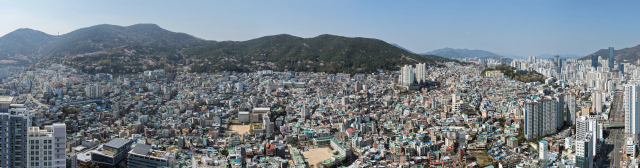
The coastal road's traffic and residential environment improvement policy is expected to positively impact the entire downtown area, starting from Dong-gu and extending to Choryang and Beomeo.
The future direction of promotion is as follows. First, a pilot project will be conducted in Dong-gu, and after verifying its effectiveness, it plans to expand to six autonomous districts. Additionally, unified development of the entire coastal road will also proceed.
These measures are expected to be a significant turning point for the downtown area to regain its urban center functions.
Summary of Coastal Road Innovation
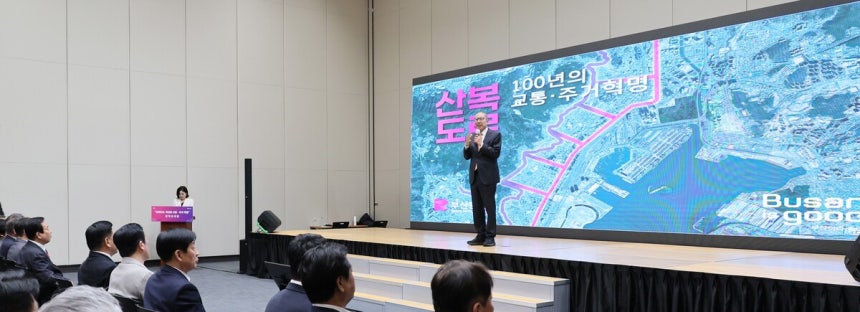
The coastal road policy in Busan is regarded as an important project that goes beyond simple traffic improvements to restructure urban layout.
The main points are as follows.
First, the introduction of the half-price circular bus greatly enhances accessibility to station areas, second, the simplification of the travel structure through the construction of the connecting road, and third, the introduction of a residential model adjusted for slopes improves the living environment. Finally, it lays the groundwork for the downtown area’s revitalization.
Ultimately, this policy is expected to serve as a significant turning point that revives the competitiveness of Busan's downtown and designs the urban structure in preparation for the next 100 years.
#BusanCoastalRoad, #CoastalRoadTrafficImprovement, #CoastalRoadResidentialEnvironment, #BusanDowntown, #Choryang, #Beomeo, #HalfPriceCircularBus, #VillageBus, #BusanSubway, #StationArea, #BusanRedevelopment, #SlopeResidentialModel, #BusanPolicy, #MayorParkHyungJoon, #BusanTrafficInnovation, #BusanUrbanDevelopment, #DowntownRegeneration, #BusanRealEstate, #ResidentialEnvironmentImprovement, #BusanLivingInfrastructure, #BusanHotIssue, #BusanNews, #UrbanRegeneration, #BusanDevelopmentPlan, #BusanInvestment, #BusanHousingMarket, #CoastalRoadProject, #BusanTraffic, #BusanFuture, #BusanUrbanPlanning
Frequently Asked Questions (FAQ)
Q. What are the main objectives of the Busan Coastal Road traffic and residential environment improvement policy?
The Busan Coastal Road policy aims to solve the traffic issues in the downtown and improve the residential environment.
The Busan city aims to address the structural traffic issues in the coastal road area, particularly in the Choryang and Beomeo downtowns while simultaneously improving the residential environment. To this end, it is promoting the "100-Year Traffic and Residential Revolution of Coastal Road" project, focusing on the improvement of slope and disconnected traffic networks. This policy is expected to contribute to enhancing the quality of life for local residents through overall changes in urban structure.
Q. What are the reasons and features of the introduction of the half-price circular bus in the coastal road area?
The half-price circular bus is introduced in the coastal road to improve fare affordability and access to station areas.
One of the most important innovations in this policy is the half-price circular bus, which will operate at half the current fare encompassing a circulating route throughout the coastal road. Notably, it is designed to allow access to urban subway station areas within 5 minutes, significantly reducing the inconvenience of previous sloped movements. Additionally, it is expected to establish a practical and convenient public transportation system by addressing the limitations of prior monorail and elevator-centric transport.
Q. What are the effects of constructing the connecting road and expanding living infrastructure?
The connecting road simplifies movement routes and enhances the residential environment through expanded living infrastructure.
The connecting road means the establishment of a new road with four or more lanes directly connecting the coastal road and Jungangdaero, which will simplify movement routes and significantly improve accessibility. Additionally, improvements such as public parking lots, upgraded bus stops, small parks, and various living facilities are expected to enhance the overall quality of residents' living environments. This change is not just limited to traffic innovation but also plays a role in proportionately advancing the region's living infrastructure.
Q. What are the key contents and expected effects of the Busan-style slope residential model?
The specialized residential design for slopes and the stimulation of redevelopment will create a safe and sustainable living environment.
The Busan-style slope residential model includes tailored residential designs suitable for sloped areas and the active stimulation of redevelopment and reconstruction. Incentives will also be provided to encourage private participation and the structure is designed considering both residential stability and urban sustainability. Through linkage with the Coastal Road Renaissance project, there is also a high potential for the development of mixed-use spaces that integrate tourism, living, and residential functions, which is expected to greatly contribute to improving the downtown residential environment.
Q. What are the anticipated changes and promotion plans for the Choryang and Beomeo downtown areas?
After a pilot project in Dong-gu, plans will be made to expand to six autonomous districts to restore downtown functions.
The Busan coastal road policy is set to initiate a pilot project in Dong-gu, and after verifying its effectiveness, it is intended to expand this initiative to six autonomous districts including Choryang and Beomeo downtown areas. In tandem, unified development across the coastal road will also be pursued, expected to serve as a critical opportunity for the downtown to regain its urban center functions. This process will induce positive changes throughout the downtown by including sustainable urban regeneration along with improvements in residential and transport infrastructure.
Q. What are the mid to long-term impacts of the Busan Coastal Road innovation policy on urban structures?
It will serve as a critical turning point for restructuring urban layouts and restoring competitiveness in downtown areas.
The Busan Coastal Road innovation policy is a significant project aimed at restructuring the urban layout of the downtown beyond simple road improvements. Through the introduction of the half-price circular bus, construction of the connecting road, and development of the slope residential model, it will drastically enhance living and traffic environments, creating a foundation for the downtown’s revitalization. Consequently, it is expected to serve as a crucial turning point in recovering the competitiveness of Busan's downtown and in designing sustainable urban structures for the next 100 years.
