Table of Contents
Background of Trauma Hospitals in Busan

The announcement of the selection of two trauma hospitals in Busan has sparked growing interest in improving the emergency medical system.
The recent controversial issue of 'emergency room circles' leads to delays in the treatment of severe trauma patients, negatively impacting survival rates.
To address these structural issues, Busan City has decided to introduce the regional trauma hospital system through a public bidding and designation method for the first time in the country.
This system is a step forward from the existing regional trauma center-centered framework, aiming to significantly improve the speed of initial response.
Selection of Centum General Hospital and Joinsamsun Hospital

Centum General Hospital and Joinsamsun Hospital have been designated as regional trauma hospitals in Busan. These hospitals were selected based on comprehensive evaluations of their capacity to respond to trauma patients, operational plans, and collaboration systems.
The selection criteria include several factors. First, the infrastructure (facilities, equipment, personnel) for treating trauma patients is crucial. Second, actual medical performance and response experience are also key evaluation factors. Third, the specificity and feasibility of the operational plan are necessary. Lastly, cooperation systems with fire services and regional trauma centers were also important criteria.
Notably, both hospitals were highly evaluated for their accessibility in the region and outstanding medical capabilities.
Core Structure of Trauma Patient Treatment System
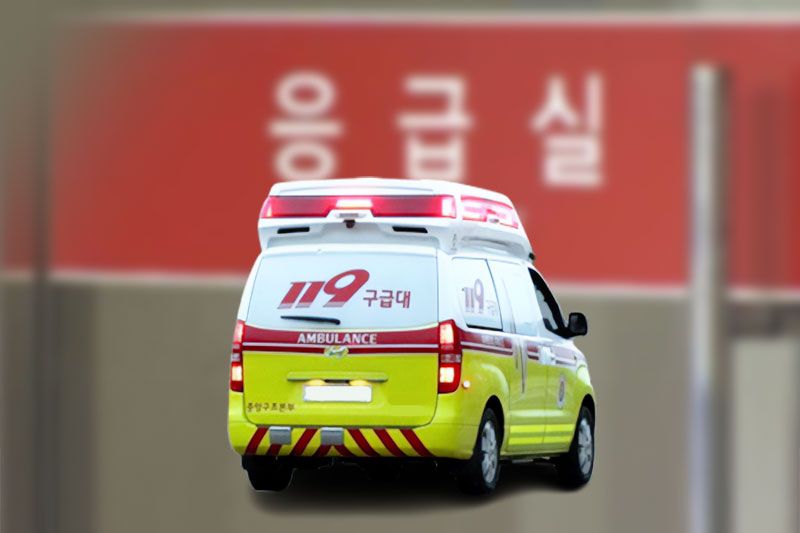
Regional trauma hospitals play a central role in the initial response for severe trauma patients beyond just functioning as emergency rooms.
The specific roles of these hospitals are as follows. First, they swiftly assess the patient's condition through initial evaluation and life-support treatment. Second, they stabilize the patient with treatment aimed at saving lives. Third, they operate a 24-hour response system to ensure quick action whenever necessary.
In addition, the regional trauma center specializes in high-level surgeries and intensive care, conducting specialized treatments for severely ill patients.
The division of roles at each step contributes to maximizing treatment efficiency, especially in operating trauma resuscitation rooms and securing dedicated personnel, which are crucial factors.
Expected Effects of the Busan Emergency Medical System

The Busan City aims to improve the overall quality of emergency medical services through this project. The selected hospitals will receive approximately 400 million won in project funding from each institution, which will facilitate the recruitment of specialized personnel and the establishment of systems.
The expected effects of this initiative are varied. Securing the golden time for trauma patients will be possible, and the issues of overcrowding and non-acceptance in emergency rooms are also expected to alleviate. Additionally, the burden on regional trauma centers will be distributed, and medical disparities between regions will likely be resolved.
In particular, cooperation between the Fire Disaster Headquarters and the regional trauma centers will enable the establishment of an integrated medical system from transport to treatment and transfer. This will further advance the emergency medical system in Busan.
Meaning and Outlook of Trauma Hospitals in Busan
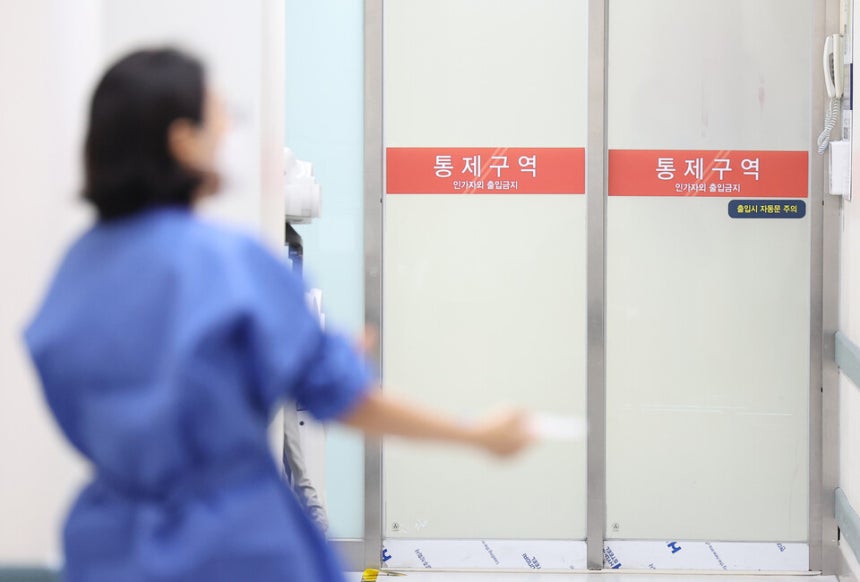
The selection of two trauma hospitals in the Busan region signifies more than just hospital designation; it symbolizes the innovation of the emergency medical system.
In the future, operational methods based on data will systematically analyze the transport and treatment processes of patients, which will serve as crucial data for policy improvement and further expansion.
In conclusion, the system being formed around Centum General Hospital and Joinsamsun Hospital is likely to function as a critical infrastructure to protect the lives of Busan citizens.
#BusanTraumaHospitals, #CentumGeneralHospital, #JoinsamsunHospital, #BusanEmergencyMedicalCare, #TraumaPatientGoldenTime, #EmergencyRoomCircles, #BusanMedicalPolicy, #TraumaCenter, #RegionalTraumaCenter, #EmergencyMedicalSystem, #BusanCityPolicy, #MayorParkHyungjun, #MedicalInfrastructure, #SevereTrauma, #EmergencyPatients, #MedicalImprovement, #HospitalSelection, #MedicalInnovation, #BusanHospital, #TraumaTreatment, #EmergencyRoomIssues, #MedicalTransferSystem, #BusanNews, #LocalHealthcare, #HospitalInformation, #HealthcarePolicy, #MedicalSystem, #PatientSurvivalRate, #EmergencyMedicalReform, #BusanHotIssues
Frequently Asked Questions (FAQ)
Q. What is the background for introducing trauma hospitals in Busan?
Busan City introduced the trauma hospital system to address the emergency room circles issue and improve survival rates for severe trauma patients.
Recently, Busan has seen a phenomenon where treatment for severe trauma patients has been delayed due to the 'emergency room circles' issue, leading to decreased survival rates. To address this, Busan City has introduced the regional trauma hospital system through public bidding and designation for the first time in the country, aiming to significantly improve the emergency medical system. This system is a step forward from the existing regional trauma center-centered framework, with the goal of greatly enhancing the speed of initial response.
Q. How were Centum General Hospital and Joinsamsun Hospital selected?
These two hospitals were selected based on comprehensive evaluations of trauma patient treatment infrastructure, medical performance, operational plans, and collaboration systems.
During the selection process, Centum General Hospital and Joinsamsun Hospital were comprehensively evaluated on various factors, including infrastructure such as facilities, equipment, and personnel for trauma patients, actual clinical performance and response experience, specific and feasible operational plans, and cooperation systems with fire services and regional trauma centers. Notably, both hospitals received high evaluations for their accessibility in the region and excellent medical capabilities.
Q. What are the core roles of the regional trauma hospitals?
They handle initial assessments, life-saving treatments, stabilization therapy, and a 24-hour response system for severe trauma patients.
The regional trauma hospitals in Busan serve as the central role for initial responses to severe trauma patients, exceeding just being emergency room functions. Specifically, they rapidly assess the patient's condition and perform life-saving treatments to stabilize patients and save lives. Additionally, they operate a 24-hour response system to ensure immediate action can be taken at any time, while also collaborating with regional trauma centers to provide specialized high-level surgeries and intensive care.
Q. What effects are anticipated from the establishment of these trauma hospitals in Busan?
Expectations include securing golden time, alleviating emergency room overcrowding, distributing the burden of regional trauma centers, and bridging local medical disparities.
Busan City plans to strengthen specialized personnel and system establishment through business funding for the selected hospitals. Consequently, it is expected that the golden time for trauma patients will be secured and the issue of emergency room overcrowding and non-acceptance will be alleviated. Additionally, it is anticipated that the significant burden on regional trauma centers will be relieved and medical disparities between regions resolved, with integrated medical systems established from transport to treatment and transfer through cooperation between the Fire Disaster Headquarters and regional trauma centers.
Q. What is the significance and future outlook of the selection of trauma hospitals in Busan?
The designation of trauma hospitals signifies innovation in the emergency medical system, and continuous growth is expected through data-driven operations.
The selection of these two trauma hospitals signifies more than just hospital designations; it represents an innovation in Busan's emergency medical system. Moving forward, this system will systematically analyze patient transport and treatment processes based on data, which will become essential data for policy improvement and further expansion. The framework being established around Centum General Hospital and Joinsamsun Hospital is expected to serve as crucial infrastructure for protecting the lives of Busan citizens.