Table of Contents
Key Trends in Biotech Innovations

As of 2026, the technologies that are gaining attention in the biotech industry are not simply innovations. These technologies are being reshaped to simultaneously meet the criteria of clinical success potential, approval likelihood, manufacturing feasibility, and regulatory acceptability. This change is expected to have a significant impact on the development of the biotech sector.
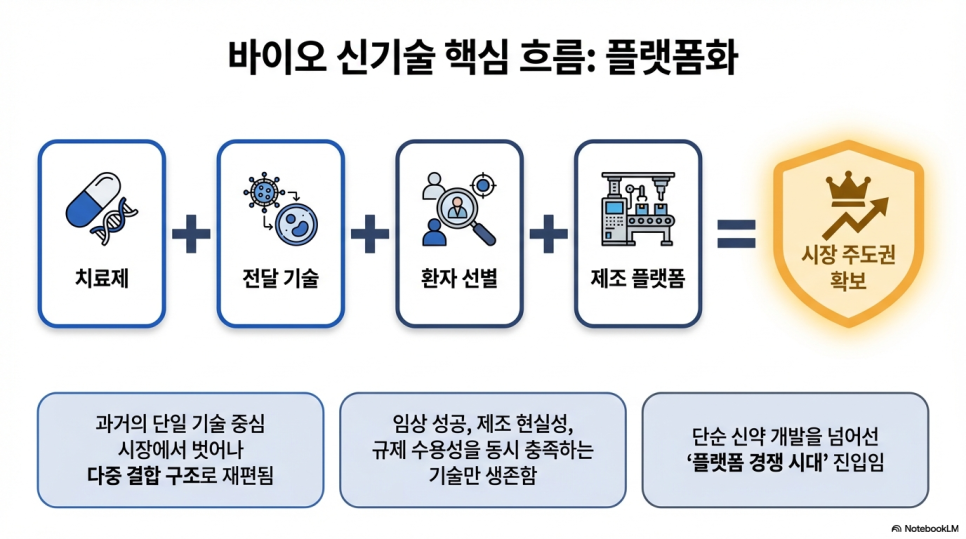
Previously, specific technologies dominated the market, but now they are evolving in ways that combine multiple elements. Therapeutics, delivery technologies, patient selection, and manufacturing platforms are all working together to establish a new paradigm.

Currently, the key components of biotech technology are developing in various ways. Antibody-drug conjugates (ADCs) and bispecific antibodies present new therapeutic approaches, while theranostics, a type of radiopharmaceutical, enables precise diagnostics and treatment.
Moreover, gene editing technologies like CRISPR and base editing are broadening the horizons of genetic research, and next-generation cell therapy methods such as in vivo CAR-T contribute to patient-tailored treatments. RNA therapeutics and delivery platforms like LNP are driving innovation through effective drug delivery.
Additionally, spatial biology, organoids, and AI-powered drug development are creating multidimensional research environments. Ultimately, it is crucial to understand that modern biotech technology is not merely individual technologies but is evolving within a competitive platform structure.
Growth Potential of ADC Bispecific Antibodies

The most rapidly commercializing biotech technologies currently are ADCs and bispecific antibodies.
ADCs deliver cytotoxic drugs directly after the antibody binds to cancer cells, and recent improvements in linker stability and payload design have significantly enhanced therapeutic efficacy.
On the other hand, bispecific antibodies function by targeting two different antigens simultaneously to activate immune cells and attack cancer cells. These innovative technologies are opening up new possibilities for cancer treatment.
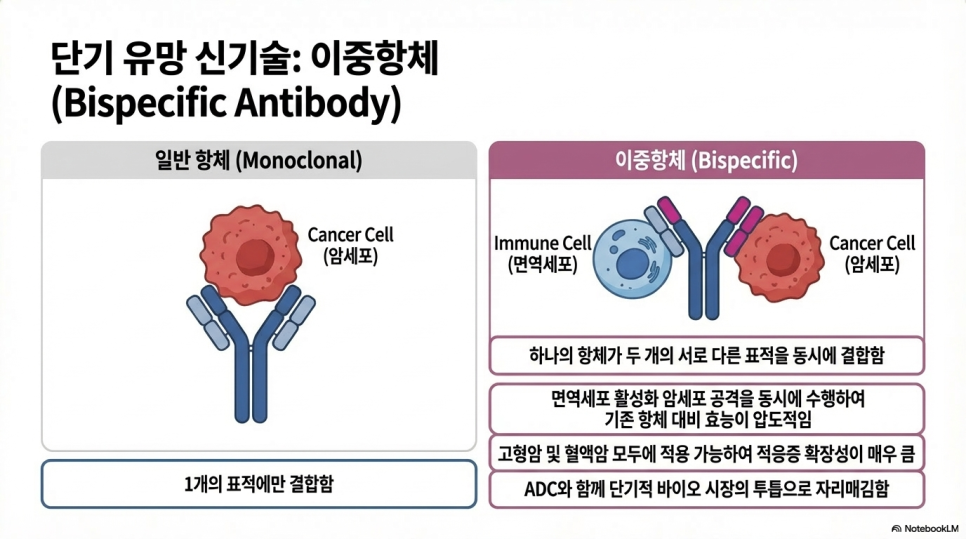
There are clear reasons why these technologies are attracting interest. They demonstrate superior efficacy compared to conventional antibodies, and there is potential for application in both solid and hematologic malignancies. Furthermore, the potential for expanded indications is substantial.
As a result, in the short term, it is likely that top biotech firms by market capitalization will be reorganized around ADCs and bispecific antibodies.
Reevaluation of Radiopharmaceuticals

Recently, the field gaining attention is radiopharmaceuticals. This technology is evolving into a theranostics platform that integrates diagnostics and therapeutics.
The key feature is the ability to enable precise treatments by targeting specific receptors, reducing systemic toxicity, and attacking tumor microenvironments. This innovative approach is expected to bring significant changes to cancer treatment.
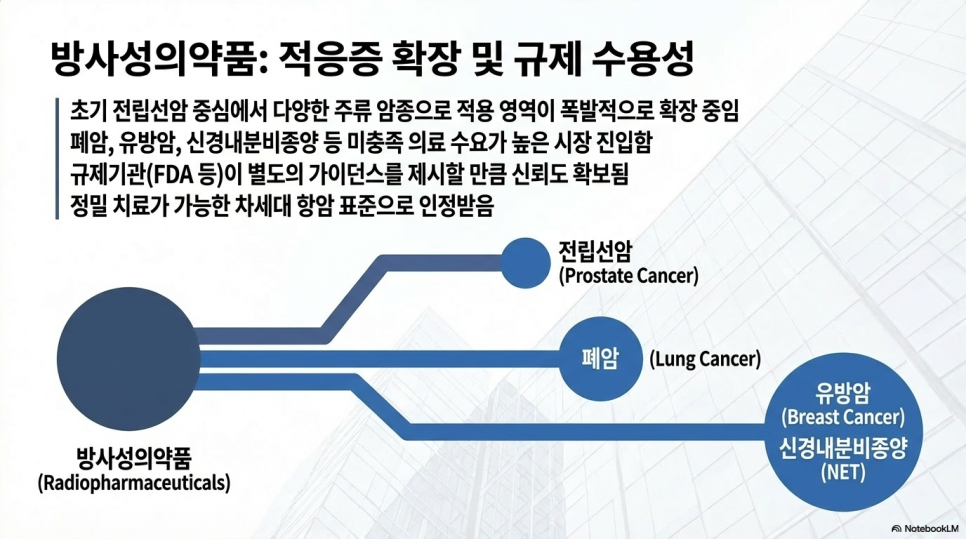
A new approach that began with prostate cancer treatment is gradually expanding to lung cancer, breast cancer, and neuroendocrine tumors.
This development demonstrates that this field is establishing itself as an independent large platform, reaching a level of trust where regulatory agencies have started to provide separate guidance.
Key Future Aspects of Gene Editing

The most innovative technologies of the future biotech landscape are precision gene editing techniques.
Since the emergence of CRISPR technology, significant advancements are now being made in the next stages. These include base editing, prime editing, and in vivo editing that directly modifies genomes within the body.
The greatest advantage of these technologies is that they allow for precise modifications without physically cutting DNA. This will play a crucial role in opening new horizons for gene editing.

However, there are challenges that need to be addressed.
Examples include delivery efficiency, off-target issues, long-term stability, and manufacturing costs.
Nonetheless, this technology is considered important in innovating the structure of the biotech industry in the next 5 to 10 years.
Evolution of RNA Cell Therapies

Currently, the RNA therapeutics and cell therapy fields are undergoing a significant transition.
Following the success of mRNA vaccines, RNA therapeutics are advancing in multiple directions including siRNA, ASO, protein replacement therapies, and RNA-based gene editing.
The most critical element in this process is the delivery technology known as LNP. The success of effective RNA therapeutics depends on how accurately and where they are delivered.
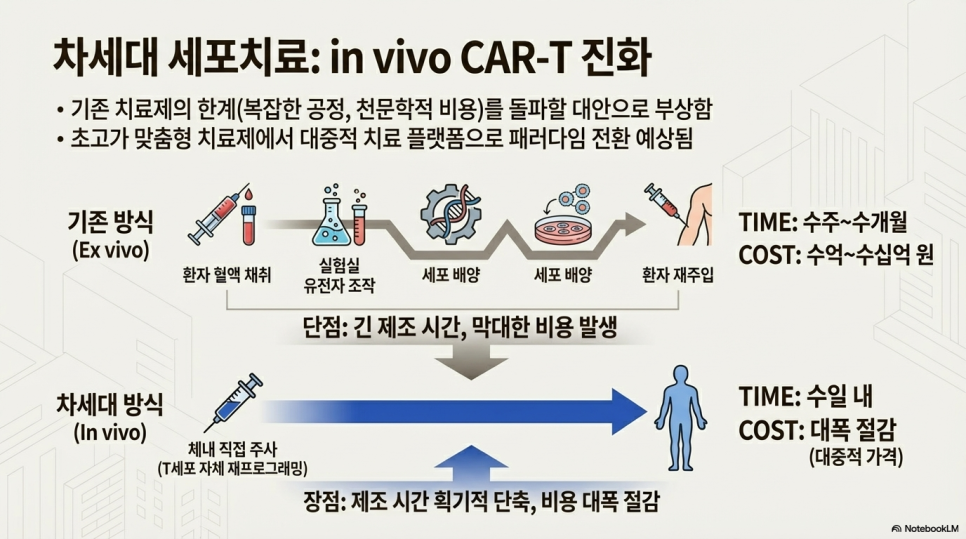
Cell therapies are evolving beyond conventional CAR-T technologies to in vivo CAR-T. This new approach involves directly reprogramming T-cells within the body, offering advantages in reducing manufacturing time and costs.
If successful, cell therapies are likely to transition from currently expensive personalized treatments to a more mainstream therapeutic platform.
Importance of Bio Infrastructure Technologies
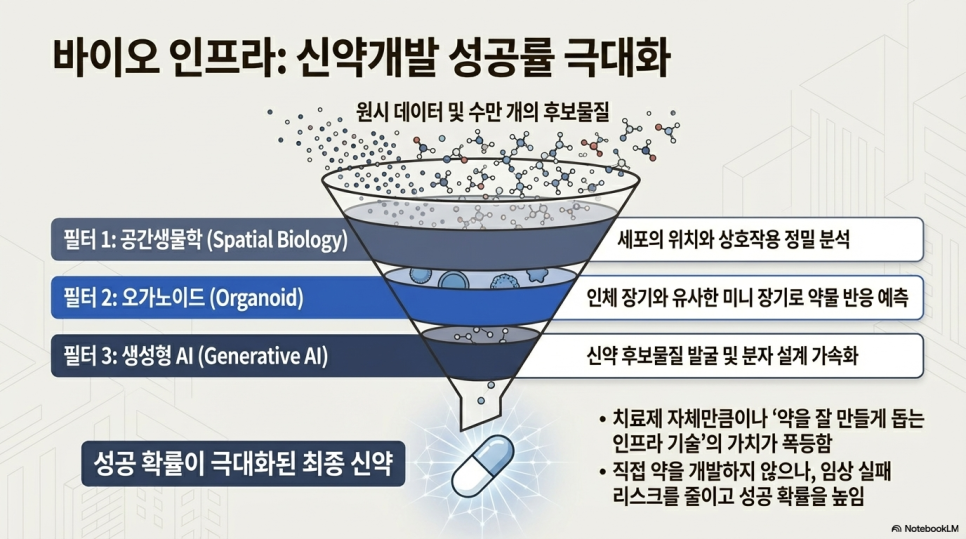
One of the most pronounced changes in the recent biotech industry is the increasing significance of infrastructure technologies over drug development.
Key technologies include spatial biology, organoids, and AI-powered drug development. These innovations are making substantial contributions to the advancement of the biotech field.
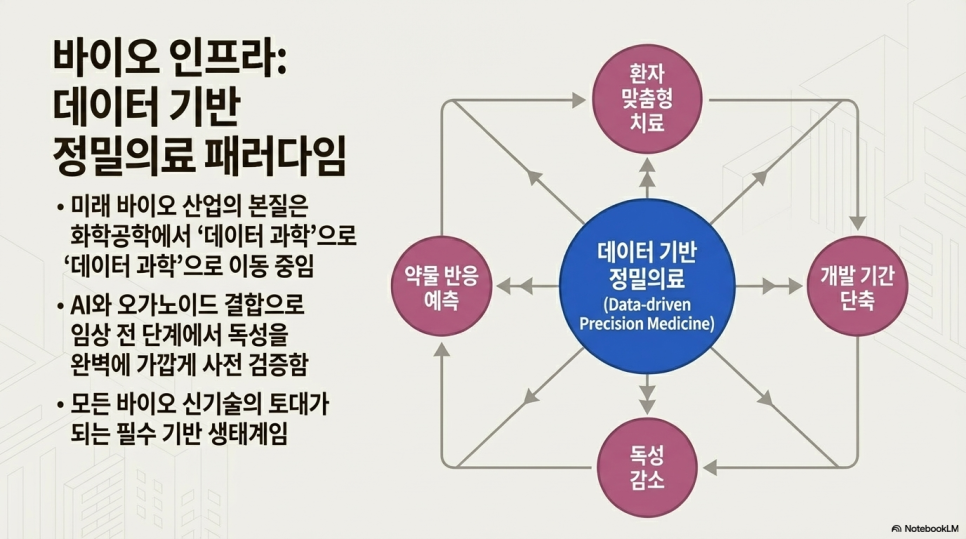
These technologies focus on enhancing the success probability of new drug development rather than drug manufacturing.
In particular, they have significant impacts on patient-tailored treatments, drug response prediction, and toxicity reduction.
Ultimately, the future biotech industry is progressing towards data-driven precision healthcare.
Conclusion on Biotech Innovations

As of 2026, biotech innovations can be categorized in various ways.
Short-term noteworthy technologies include ADC, bispecific antibodies, and radiopharmaceuticals. In contrast, long-term core technologies will be gene editing, in vivo CAR-T, and RNA delivery.
Furthermore, spatial biology, organoids, and AI-driven drug development build the foundation for these technologies.
In conclusion, it is expected that the future biotech industry will evolve from competition based on individual therapeutics to competition based on platforms.

In conclusion, the most attention-grabbing biotech innovations today are not single technologies but a complex ecosystem formed by the fusion of multiple technologies. It can be said that the realistic and most promising representation involves the synergy of antibody engineering, gene editing, RNA technologies, cell therapies, and data technologies.
#biotechinnovation, #ADC, #bispecificantibody, #geneediting, #CRISPR, #RNAtherapeutics, #radiopharmaceuticals, #CAR, #-T, #inVivoCART, #precisionmedicine, #drugdevelopment, #biotechinvestment, #healthcareindustry, #biotechnology, #AIdrugdevelopment, #organoids, #spatialbiology, #LNP, #biotechtrends, #biotechmarket, #pharmaceuticalindustry, #cancertreatment, #druggpipeline, #biotechcompanies, #healthcareinvestment, #biotechplatforms, #drugdevelopment, #precisiontreatment, #futurehealthcare, #bioprospects
Frequently Asked Questions (FAQ)
Q. What are the characteristics of new technologies gaining attention in the biotech industry in 2026?
Biotech innovations evolve by meeting multiple factors, including clinical success, approval, manufacturing, and regulatory acceptance.
The notable new technologies in the biotech industry as of 2026 are not just innovations but rather reshaped to meet the criteria of potential clinical success, approval likelihood, manufacturing feasibility, and regulatory acceptability at the same time. This is expected to have a significant impact on the development of the biotech sector. Therefore, biotech innovations are evolving in a form where various elements are combined to adapt to and compete in the market, rather than being centered on a single technology.
Q. Why are ADC and bispecific antibodies important in biotech innovations?
ADCs and bispecific antibodies are rapidly commercializing due to their superior efficacy and potential for expanded indications in cancer therapy.
Antibody-drug conjugates (ADCs) directly deliver cytotoxic drugs to cancer cells by binding the antibody to them, and due to improvements in linker stability and payload design, therapeutic efficacy has significantly increased. Bispecific antibodies have a unique mechanism where one antibody targets two antigens simultaneously, activating immune cells to attack cancer cells. Both of these technologies are applicable to solid and blood cancers and are expected to restructure top biotech firms by market capitalization around these technologies.
Q. What development stages are radiopharmaceuticals and theranostics undergoing?
Radiopharmaceuticals are evolving into theranostics that integrate diagnostics and treatment, gaining the trust of regulatory agencies.
Radiopharmaceuticals enable precise treatments targeting specific receptors, thus reducing systemic toxicity and allowing for attacks on tumor microenvironments. Starting from treatment for prostate cancer, indications are expanding to lung cancer, breast cancer, and neuroendocrine tumors, establishing this field as an independent large platform. Regulatory agencies have reached a stage where they provide separate guidance, indicative of trust and progress regarding this technology.
Q. What role will gene editing technologies play in the future of the biotech industry?
Gene editing will be a key technology that innovates the structure of the biotech industry with precision and non-cutting methods.
Next-generation gene editing technologies that have evolved since CRISPR, such as base editing, prime editing, and in vivo editing, allow for accurate modifications without physically cutting DNA. Although there are challenges such as delivery efficiency, off-target issues, stability, and costs currently, it is expected to play a crucial role in fundamentally altering the structure of the biotech industry in the next 5 to 10 years. This is a key foundational technology for the era of precision medicine and customized treatments.
Q. How are RNA therapeutics and cell therapy technologies progressing?
RNA therapeutics and in vivo CAR-T cell therapies are evolving with delivery technologies and direct reprogramming within the body.
RNA therapeutics are diversifying into siRNA, ASO, protein replacement therapies, and RNA-based gene editing after the success of mRNA vaccines, with the LNP delivery platform as a core element. The field of cell therapy is expanding to in vivo CAR-T technology, which reprograms T-cells directly within the body, offering expected benefits in reducing manufacturing time and costs. If successful, cell therapy could become a widely used treatment platform.
Q. What role do bio-infrastructure technologies play in the biotech industry?
Spatial biology, organoids, and AI-based drug development enhance the success probabilities of precision medicine and new drugs.
In the recent biotech industry, the importance of infrastructure technologies has increased. Spatial biology and organoids allow for the study of complex biological environments, while generative AI significantly improves drug discovery and response prediction efficiency in the drug development process. These technologies enable patient-tailored treatments and toxicity reduction, playing a key role in propelling the future biotech industry towards data-driven precision healthcare.
