Table of Contents
- Flow of Normalization of Mia Area 2 Redevelopment
- Structural Improvement in Project Viability through Regulation Relaxation
- Importance of Re-election of Association Chair and Project Continuity
- Design Strategy and Effects on Residential Environment Improvement
- Quality Competitiveness and Landmark Strategy
- Project Stability and Risk Management
- Summary of Conclusions on Mia Area 2 Redevelopment
- Frequently Asked Questions (FAQ)
Flow of Normalization of Mia Area 2 Redevelopment

The Mia Area 2 redevelopment project is rapidly normalizing due to recent changes in Seoul's policies and the leadership within the association.
Since being designated as a new town in 2003, this project, which has faced prolonged delays, began to see significant changes with the commencement of Chairman Jeong Chan-gyeong.
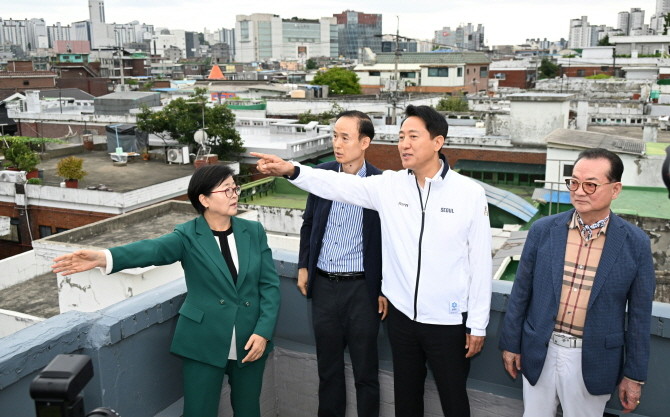
Designated as the first project site for regulation relaxation by the Seoul city government, Mia Area 2 has reached a significant turning point in project normalization with expanded administrative support.
Currently, this area has moved beyond simple planning stages and completed modifications to the regeneration plan, standing now at the starting point of the implementation phase. Future speeds of the project are expected to become more visible.
Structural Improvement in Project Viability through Regulation Relaxation
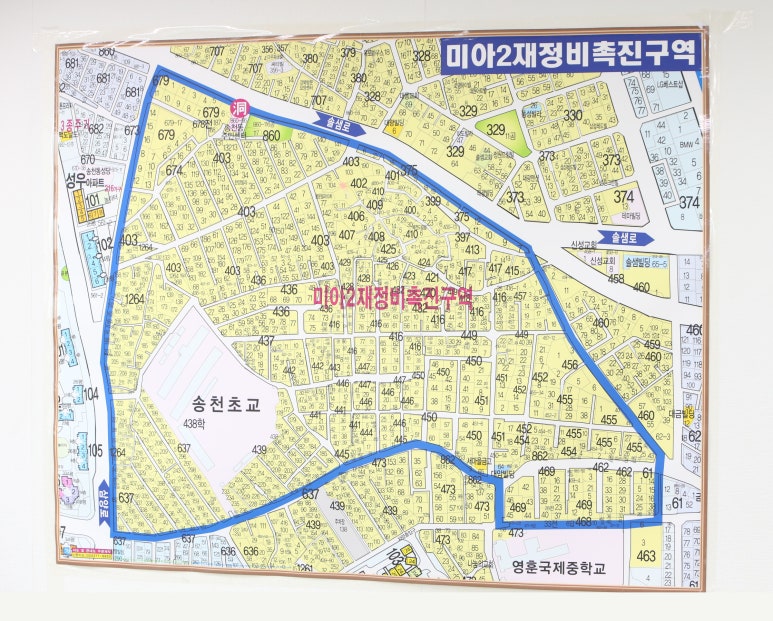
The main point of this modification to the regeneration plan is the fundamental improvement in project structure.
The floor area ratio increases from 260% to 310%, while the number of units rises from 3,500 to 4,003.
In addition, the maximum height is permitted to be 45 stories.

This change is seen as a significant turning point that secures both the profitability for members and the stability of the project, beyond just an increase in supply.
Along with the harmony of public facilities and living infrastructure, Mia Area 2 has laid the foundation to progress toward a mini new town-level development that integrates educational and cultural functions.
Importance of Re-election of Association Chair and Project Continuity

The current critical element is the association chair election in April.
Mia Area 2 is at a stage where the policy basis and design have already been established and must now move into the implementation phase, transitioning from project approval to management disposition and construction. In this process, maintaining the continuity of decision-making and the promotion system is paramount.
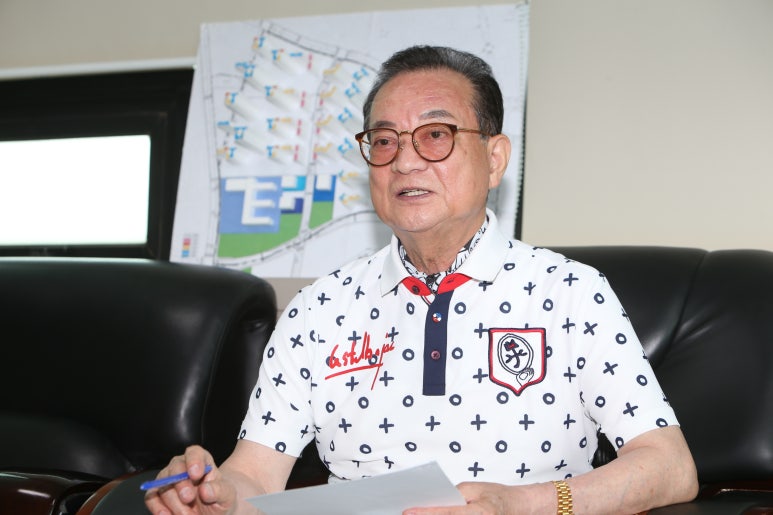
If Chairman Jeong Chan-gyeong is re-elected under a one-team system, there are several expected benefits. First, he can continuously maintain the consultation structure with the city of Seoul and administrative institutions. Second, he can ensure consistency in existing designs and project strategies, increasing efficiency. Third, prompt decision-making could potentially shorten the project duration.
However, if leadership changes, there will be a need to restructure the existing consultation framework, which could delay internal decision-making and necessitate a review of the project direction. Such processes are likely to pose a risk of delays in the project schedule.

This association chair election is not merely a selection of personnel. It is a crucial turning point that will determine whether the project will maintain its momentum.
Design Strategy and Effects on Residential Environment Improvement

The most prominent advantage of Chairman Jeong Chan-gyeong is the design strategy that considers both project performance and residential environment.
Key changes include a substantial reduction from over 60 buildings to 34. This has successfully increased the number of units while providing sufficient space and increasing the number of stories. Additionally, distances between buildings have been widened to enhance views and openness.

This design does not merely focus on increased density but implies a structural improvement that considers both comfort and profitability. Particularly, if the leadership continues to be maintained based on the already established strategy, stable execution is expected.
Quality Competitiveness and Landmark Strategy
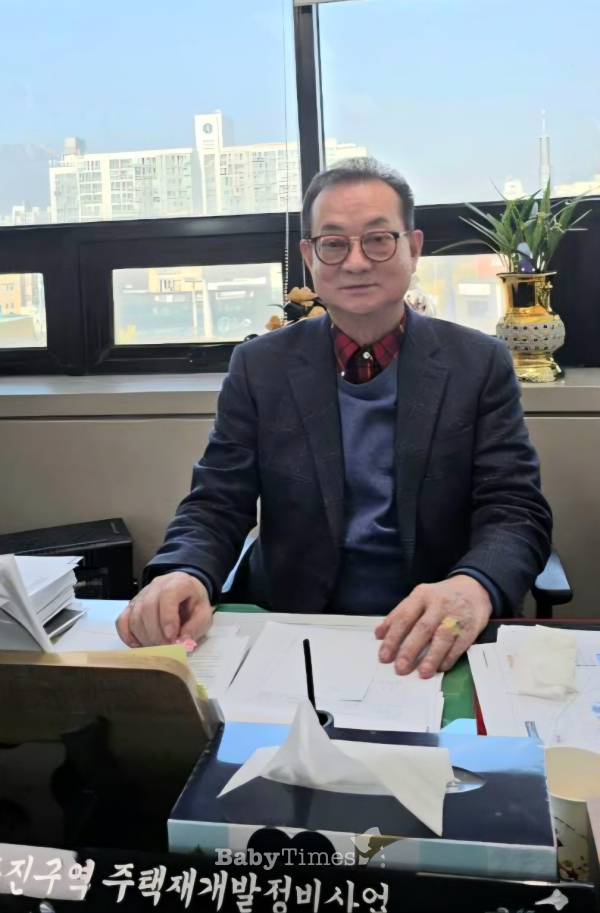
Chairman Jeong Chan-gyeong is a professional with 34 years of architecture experience and shows a firm commitment to directly oversee the project's quality.
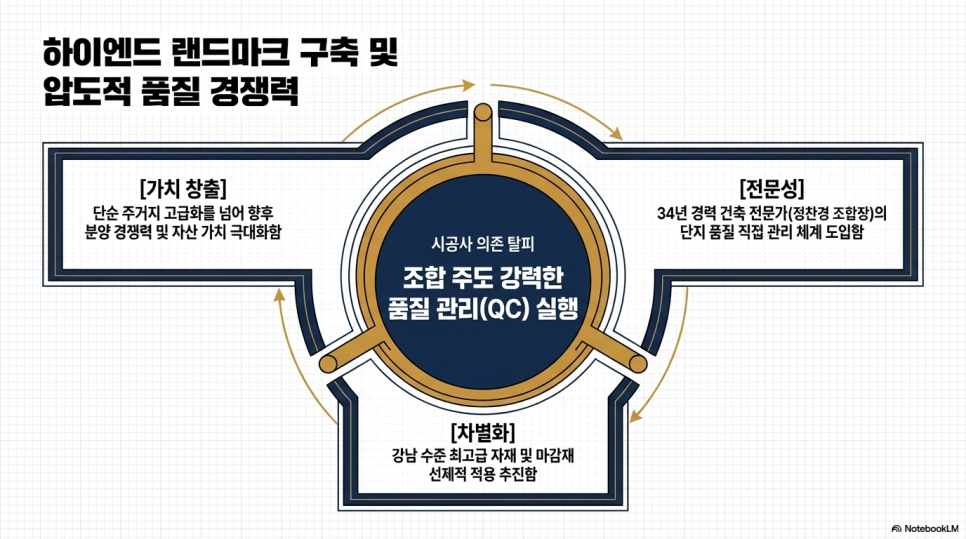
The core strategy is to apply high-quality materials and finishes at the level of Gangnam. This is not merely a matter of upgrading but has a crucial impact on future sales competitiveness and asset value formation.
Particularly, the structure in which the association chairman sets the quality standards differentiates it from general redevelopment projects. This is achieved through a quality management system led by the association rather than centered around contractors, which adds significant value.
This approach is expected to yield the greatest effects when sustainability of strategy through re-election is maintained.
Project Stability and Risk Management
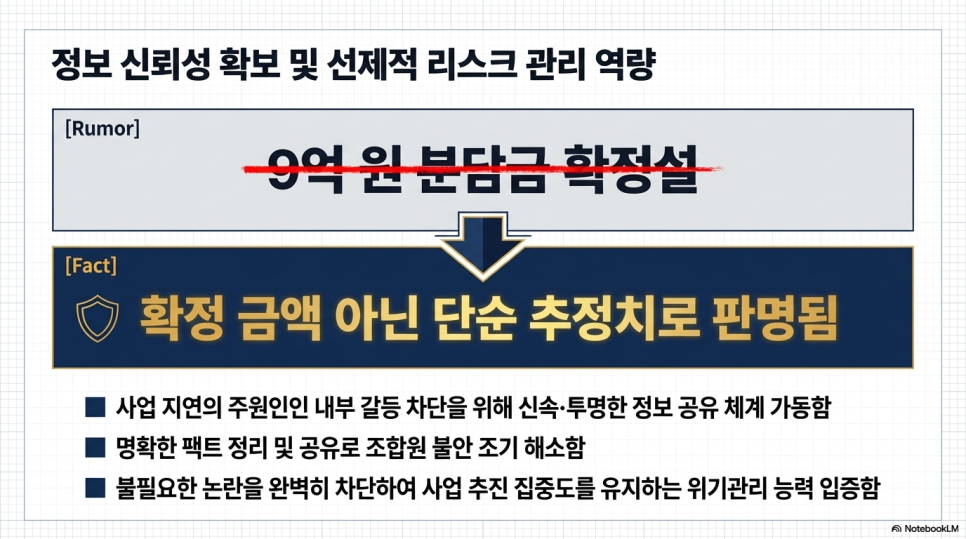
One of the essential elements to consider in redevelopment projects is the reliability of information and risk management.
The recently surfaced '900 million won contribution claim' has been revealed to be mere estimates rather than verified figures. In response, Chairman Jeong Chan-gyeong has clearly organized this issue to alleviate the concerns of association members.
This response is regarded not simply as an explanation but an important leadership move that enhances project credibility and reduces internal conflicts.
Especially, when the same leadership is sustained, it increases the likelihood of concentrating efforts on project advancement without unnecessary controversy.
Summary of Conclusions on Mia Area 2 Redevelopment

The Mia Area 2 redevelopment currently possesses three key elements: policy support, enhanced project viability, and design competitiveness.
The remaining challenge is the continuity of leadership. If Chairman Jeong Chan-gyeong is re-elected in the April association chair election, it is expected that the existing promotion framework will continue and the speed of project advancement will accelerate based on the continuity of administrative consultations.
However, if leadership changes, there exists the possibility of schedule delays during the process of restructuring the project framework. Considering such circumstances, maintaining stable leadership is crucial.
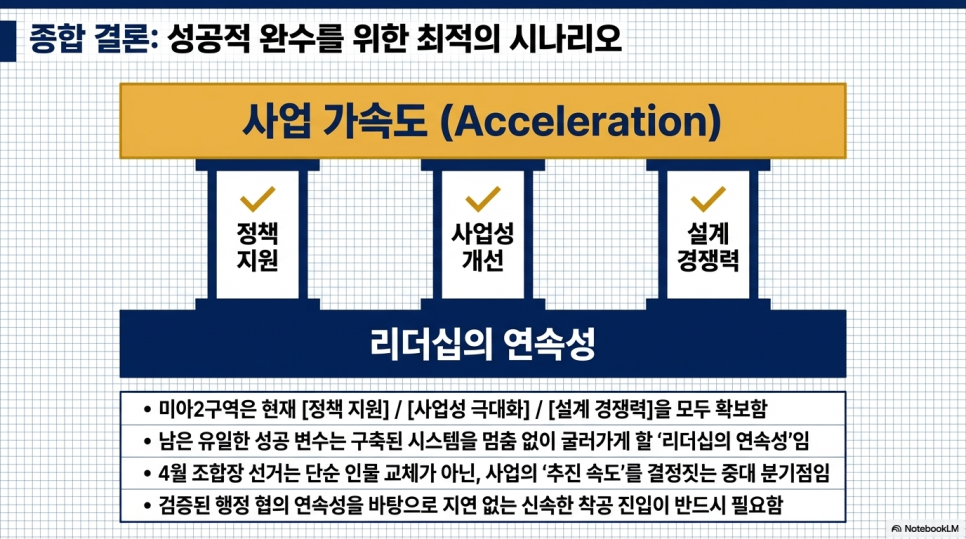
This association chair election is viewed as an important milestone that will influence the progress speed and quality of the Mia Area 2 redevelopment.
#MiaArea2, #MiaArea2Redevelopment, #ChairmanJeongChanGyeong, #ChairElection, #RedevelopmentSpeed, #SeoulRedevelopment, #GangbukRedevelopment, #RegenerationPromotionProject, #IncreasedFloorAreaRatio, #RelaxationOfSeoulRegulations, #MiniNewTown, #GangbukLandmark, #RedevelopmentInvestment, #RealEstateDevelopment, #SeoulRealEstate, #RedevelopmentProjectViability, #RegenerationPlanChange, #MiaDongRedevelopment, #SamyangIntersection, #MiaIntersection, #RedevelopmentOutlook, #MemberBenefits, #UrbanRegenerationProject, #ResidentialEnvironmentImprovement, #NewlyBuiltApartmentsInSeoul, #RedevelopmentNews, #RealEstateIssues, #RedevelopmentAnalysis, #ApartmentInvestment, #SeoulUrbanDevelopment
Frequently Asked Questions (FAQ)
Q. What is the reason for the recent normalization of the Mia Area 2 redevelopment project?
The rapid normalization of the project is due to a combination of the relaxation of regulations by the Seoul city government and the leadership of Chairman Jeong Chan-gyeong.
The Mia Area 2 redevelopment has been delayed for a long time; however, it began to move forward significantly with the implementation of regulation relaxation by the Seoul city and the appointment of Chairman Jeong Chan-gyeong. The combination of expanded administrative support and strengthened internal leadership has led to a turning point in project normalization, with the modified regeneration plan completed and transitioning into the execution phase.
Q. What changes are there in project viability due to the modification of the regeneration plan?
The increase in floor area ratio and number of units, as well as the height limit raised, have improved supply and profitability.
The floor area ratio has been increased from 260% to 310%, while the number of units has increased from 3,500 to 4,003, and the maximum height is now allowed to be 45 stories. These changes represent a fundamental structural improvement that enhances both member profitability and project stability, going beyond mere supply expansion, laying the foundation for a mini new town-level development integrated with public facilities and living infrastructure.
Q. What impact will the April chair election have on the project?
The re-election of the chairman significantly affects the speed and continuity of project advancement.
The chair election is not just a personnel change; it is a crucial milestone that influences the continuity of the project advancement system and the promptness of decision-making. If Chairman Jeong Chan-gyeong is re-elected, it is expected that the consultation with administrative institutions will be maintained, consistency in design and strategy will be secured, and the speed of project advancement will improve. However, if leadership changes, there is a high possibility of restructuring the consultation framework and delays in the schedule.
Q. What are the main features of the design strategy being pursued by Chairman Jeong Chan-gyeong?
The number of buildings is reduced and the height is increased to improve both the residential environment and profitability.
The reduction of over 60 buildings to 34 has widened the distances between them to secure views and openness. This has allowed an increase in the number of stories while maintaining a pleasant residential environment despite the increase in density; it is recognized as a balanced improvement plan that considers both residential environment enhancement and project viability.
Q. What is the chairman's strategy to strengthen the competitiveness of project quality?
He aims to use high-end materials and finishes at a level comparable to that of Gangnam to enhance sales competitiveness and asset value.
Chairman Jeong Chan-gyeong, with 34 years of architectural experience, directly manages the project's quality, establishing quality standards led by the association while using high-end materials and finishes. This approach differentiates itself from typical contractor-led quality management and focuses on maximizing sales competitiveness and future asset value formation through a strategy of premiumization.
Q. What are the facts regarding the recently proposed '900 million won contribution claim'? The claim is merely an estimate, and the chairman has clarified the facts.
That contribution amount is not a verified figure but merely an estimate. Chairman Jeong Chan-gyeong has clarified this to alleviate members’ concerns. Such credible disclosure of information and leadership plays an important role in reducing internal conflicts and enhancing the project's credibility; it is expected that the continuity of the chairmanship will enable focused project advancement without unnecessary controversy.
