Table of Contents
- Short-term Ceasefire Possibility in the Middle East War
- Analysis of Limited Ceasefire Possibility
- Possibility of Continuous Combat Scenario
- Low Probability of Comprehensive Ceasefire
- Key Points to Watch in the Future of the Middle East War
- Outlook of the Middle East War and Its Impact on the International Economy
- Frequently Asked Questions (FAQ)
Short-term Ceasefire Possibility in the Middle East War

As of March 2026, analysis suggests that the likelihood of the military conflict among Iran, Israel, and the United States ending in the short-term is lower than the possibility of moving toward de-escalation. This situation is expected to have a significant impact on regional security.

Recently, complex signals of simultaneous military actions and diplomatic communications have been detected in the international situation. Examples like Israel's infrastructure attack on Tehran, Saudi interceptions of drones, and the U.S. Congress's rejection of a resolution to limit military actions against Iran indicate the potential for continued war.
However, diplomatically, the U.S. has clarified its stance on setting additional targets, while major countries such as Oman, the European Union, China, and Russia are urging immediate ceasefire and a return to negotiations. This situation reflects a complex boundary between conflict and peace.
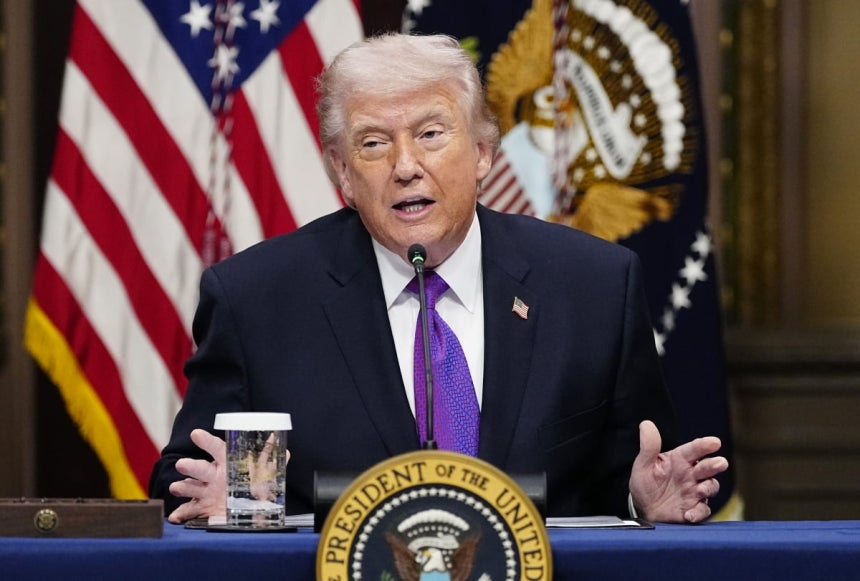
Currently, the situation in the Middle East is undergoing military pressure while still leaving room for diplomatic resolution. Rather than expecting a comprehensive peace agreement, it can be said that there is a greater likelihood of a managed cessation to reduce the intensity of the conflict.
Analysis of Limited Ceasefire Possibility

The most likely scenario currently assessed is a "limited ceasefire or informal military de-escalation." Experts estimate the feasibility of this outlook to be approximately 45%.
This scenario is expected to move towards reducing military tension without a comprehensive ceasefire agreement. While the fighting itself may not stop, the following changes are anticipated:
First, the frequency of airstrikes and missile attacks is likely to decrease; second, attacks on specific key facilities are expected to diminish. Third, informal diplomatic contacts may begin through intermediary countries.
The high probability of this scenario being realized is due to the rapidly increasing costs arising from the war. The continuation of combat is a burden to both sides, so movements to ease military tension are anticipated.
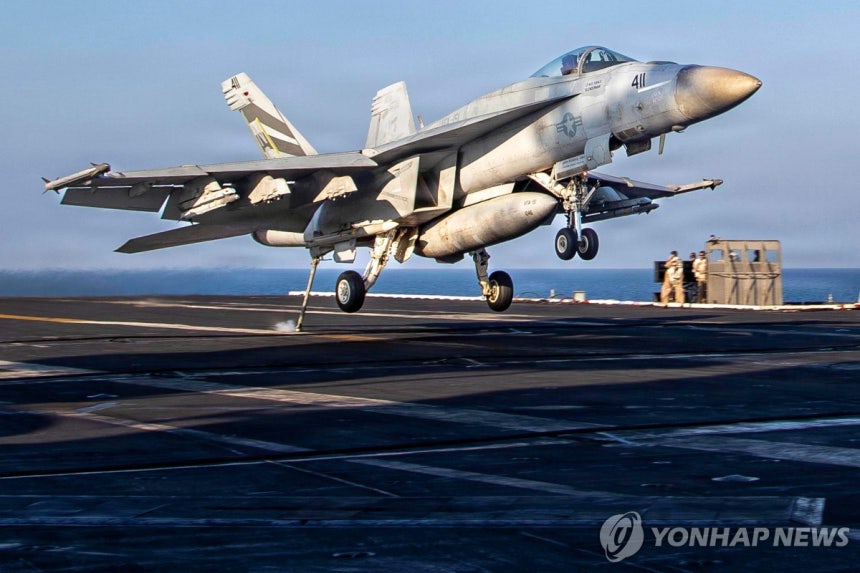
The Israeli Ministry of Finance has announced that the economic losses due to the war currently amount to about 9 billion shekels per week, or about 2.9 billion dollars. The situation is worsening with over 20,000 Israeli citizens returning home since the start of the fighting, increasing the burden on flight operations and airspace control.
Furthermore, there is growing international concern over the instability of global supply chains related to the Strait of Hormuz. In such a scenario, if military objectives are deemed to have been achieved to some extent, a strategy of "reducing intensity after declaring the achievement of objectives" is likely to be adopted.
Possibility of Continuous Combat Scenario

The second scenario is one where military clashes continue. The possibility of this is estimated at about 35%. There are several signs indicating that the war may not end quickly.
Key factors include the statement from the Israel Defense Forces that they have been preparing operations for attacks on Iran for several weeks. Additionally, the U.S. and Israel have mentioned that operations will continue until the Iranian nuclear capability is eliminated. Moreover, discussions about the possibility of changing Iran's regime are being aired in the U.S. political landscape. These elements complicate the situation.
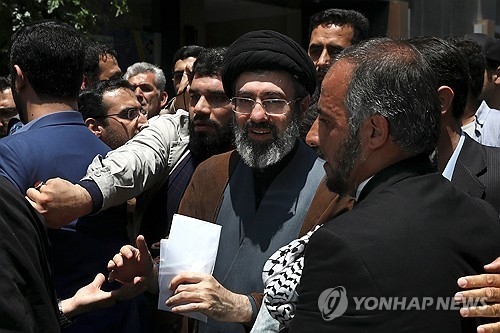
The conflict surrounding Iran's nuclear program is not merely a military clash; it is a situation with political objectives. This complex background serves to make a short-term ceasefire more difficult.
Furthermore, Iran maintains its position of "not negotiating under attack," making it possible for military clashes to persist for at least another week or two. This attitude further escalates tensions.
Low Probability of Comprehensive Ceasefire

The third scenario is a comprehensive short-term ceasefire occurring within a week. However, this possibility is assessed to be low, at around 20%.
For a comprehensive ceasefire to be established, several conditions must be met simultaneously. First, the U.S. must declare that it will not expand its military objectives; second, Israel must announce that it has achieved its key nuclear and missile-related objectives. Third, Iran must secure a justifiable reason internally while reducing further retaliation. Finally, intermediary countries like Oman must resume unofficial negotiation channels.
Currently, most of these conditions are not met, making it difficult for a comprehensive ceasefire to be established.

The U.S. and Israel report that they have not achieved military objectives and Iran officially rejects the possibility of peaceful contact with the United States.
For these reasons, the prevailing opinion is that a short-term comprehensive ceasefire is politically premature, even if it is not militarily impossible.
Key Points to Watch in the Future of the Middle East War

Changes to watch for in the next 48-72 hours include:
First, changes in U.S. expressions will be key. Whether there will be a shift from 'operation continuation' to 'achievement of key objectives' is significant.
Second, there is a possibility that Iran's military actions may change. Close attention should be paid to the frequency of missile and drone attacks.
Third, diplomatic mediation movements are important points. Whether mediation by Oman, Europe, China, and Russia will lead to actual negotiations is crucial.
However, if these changes do not occur, the likelihood of a short-term ceasefire may decrease significantly. If attacks on Tehran's infrastructure expand, or if support for the continuation of the war strengthens in U.S. political circles, the situation will worsen. The spreading discussion about changes in Iran's ruling system is also a worrying factor.
Outlook of the Middle East War and Its Impact on the International Economy

Considering the current international situation, it can be concluded that “the likelihood of a comprehensive ceasefire is slim, whereas the potential for limited de-escalation is relatively high.”
Therefore, the realistic approach that markets and diplomats can expect is not an immediate peace agreement, but rather a gradual cessation to adjust the intensity of the conflict.

The current war situation may conclude rapidly from a military perspective, but it is likely to persist longer from a political standpoint.
Particularly, if the impact on the Strait of Hormuz, international oil prices, and energy supply chains increases, global financial markets may also experience significant volatility. These factors can raise awareness among investors and profoundly influence market trends.
#IranIsraelWar, #USIranWar, #MiddleEastWar, #MiddleEastSituation, #ComprehensiveCeasefirePossibility, #MiddleEastMilitaryConflict, #StraitOfHormuz, #InternationalOilPriceOutlook, #GlobalEconomicRisks, #IsraeliMilitaryOperations, #IranNuclearIssue, #USForeignPolicy, #MiddleEastTensions, #GlobalPoliticalAnalysis, #InternationalSituationOutlook, #MiddleEastWarAnalysis, #IsraelIranClash, #MiddleEastGeopolitics, #GlobalEconomicOutlook, #EnergyMarketOutlook, #OilPriceOutlook, #InternationalPoliticalIssues, #WarRisks, #MiddleEastMilitaryCrisis, #InternationalNewsAnalysis, #GlobalRisks, #GeopoliticalRisks, #WarOutlook, #InternationalConflictAnalysis, #MiddleEastDiplomacy
Frequently Asked Questions (FAQ)
Q. What is the likelihood of a short-term ceasefire in the Middle East War?
The likelihood of a short-term comprehensive ceasefire is assessed to be about 20%.
For a comprehensive short-term ceasefire to take place, it is necessary to stop the expansion of U.S. military objectives, achieve Israel's major objectives, reduce Iran's further retaliation, and a return to negotiations by intermediary countries. However, most of these conditions are not currently met, making the possibility of ceasefire slim. The U.S. and Israel have expressed their intention to continue operations before achieving military objectives, and Iran has also officially refused peaceful contacts with the United States.
Q. How likely is a limited ceasefire or informal military de-escalation?
The likelihood of a limited ceasefire is evaluated to be about 45%, making it the most probable scenario.
This scenario is expected to progress in a way that reduces military tension without a comprehensive ceasefire. A decrease in the frequency of airstrikes and missile attacks, reduced attacks on key facilities, and informal diplomatic contacts through intermediary countries are anticipated. Due to the rising costs associated with the continuation of combat, there are movements to relieve military burdens from both sides, making this scenario highly feasible.
Q. What is the possibility of continuous combat scenario and its key factors?
The possibility of military clashes continuing is estimated at about 35%.
The Israeli military has announced preparations for additional attacks on Iran, and the U.S. and Israel have indicated that operations will continue until Iran's nuclear capability is eliminated. Additionally, there is a growing discussion in U.S. politics about changing Iran's ruling regime, further complicating the situation politically. Iran's position of refusing negotiations in the context of attacks is also a factor that increases the likelihood of continued war.
Q. What impact does the Middle East War have on the international economy and oil prices?
The war exacerbates economic risks, such as instability in the Strait of Hormuz supply chains and rising international oil prices.
The war in Israel is causing instability in the global supply chain, particularly affecting routes through the Strait of Hormuz, which is resulting in fluctuations in international oil prices. Economic losses in Israel and the impacts on transportation, including aviation, are also increasing. These military clashes have an impact on the energy market and global financial markets, leading to reduced investor sentiment and increased market volatility.
Q. What key points should be observed in the Middle East War situation going forward?
Changes in U.S. operational objectives, changes in Iran's military actions, and diplomatic movements by intermediary countries are key points to observe.
Attention should be paid to whether the U.S. will show a change in stance from 'operation continuation' to 'achievement of key objectives' within the next 48-72 hours. Changes in the frequency of Iran's missile and drone attacks and attempts by intermediary countries such as Oman, Europe, China, and Russia to resume negotiations are also important. If these changes do not occur, the likelihood of a short-term ceasefire may diminish, increasing the risk of escalating conflict.