Table of Contents
Core of Kencoa Aerospace
Kencoa Aerospace has established itself as a unique comprehensive manufacturer in the domestic aerospace and defense industry.
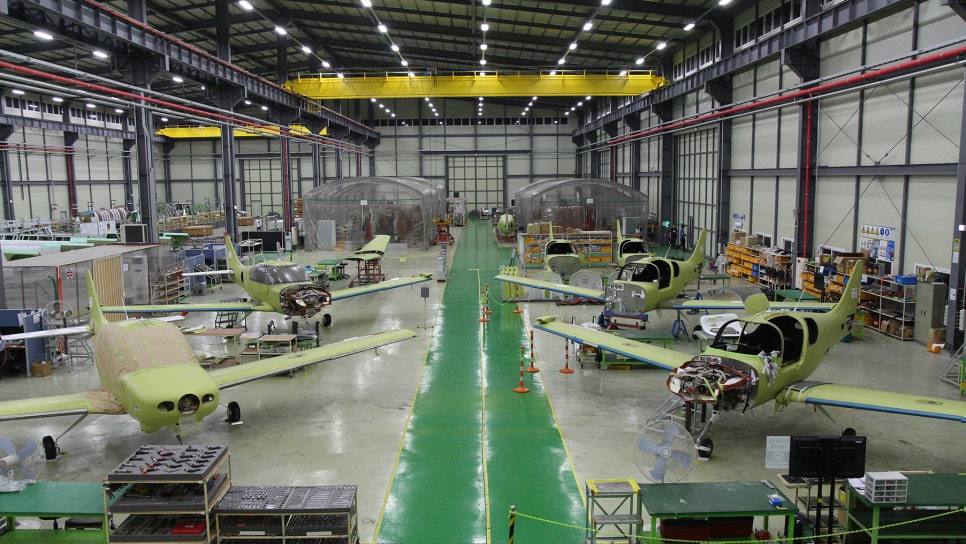
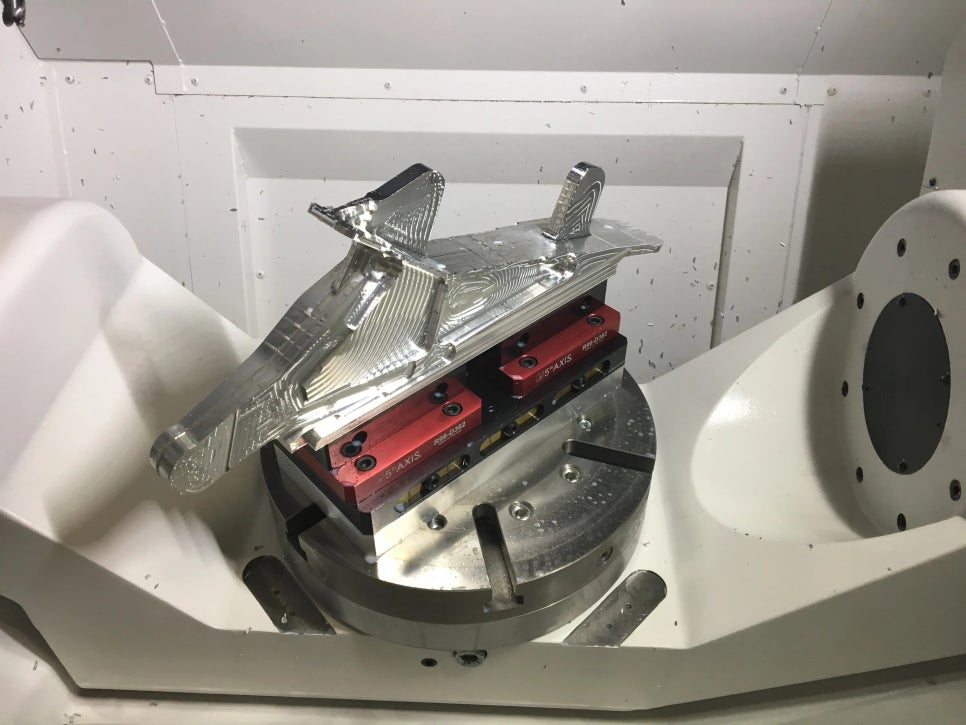
The company encompasses a variety of fields, including precision machining, sheet metal work, and assembly of aircraft and spacecraft, and some projects also include modification and maintenance (MRO).
Through its extensive business areas, Kencoa Aerospace plays a significant role in the industry.

From an investment perspective, the essence of Kencoa is not 'aerospace thematic stock.' Rather, the key lies in the leverage structure of manufacturing, which significantly fluctuates according to changes in utilization rate and cost rate.
If volume increases, profits can improve quickly, but conversely, if ramp-up is delayed, losses can also escalate. Such characteristics must be considered when formulating investment strategies.
Summary of Major Clients and Customers

The key element in understanding Kencoa's client structure is whether it meets the certification and delivery standards required in the global aerospace and defense industry, beyond reliance on specific customers. It is also important to be included in a stable supply chain capable of placing repetitive orders.
Based on the company's data and disclosures, information about major clients is summarized as follows.
Major Overseas Clients
Boeing, Spirit AeroSystems, and Gulfstream are known as important companies in the aerospace industry. They contribute to aircraft manufacturing and related technology development. Each company has its own characteristics and strengths, making them competitive in the market.
Global Partners and Collaborators
Companies such as Lockheed Martin, Pratt & Whitney, General Dynamics, NASA, and SpaceX play significant roles in the aerospace sector. They contribute to innovative technology developments and space exploration.
Major Domestic Clients
Korea Aerospace Industries (KAI)
Korean Air
Hanwha Aerospace
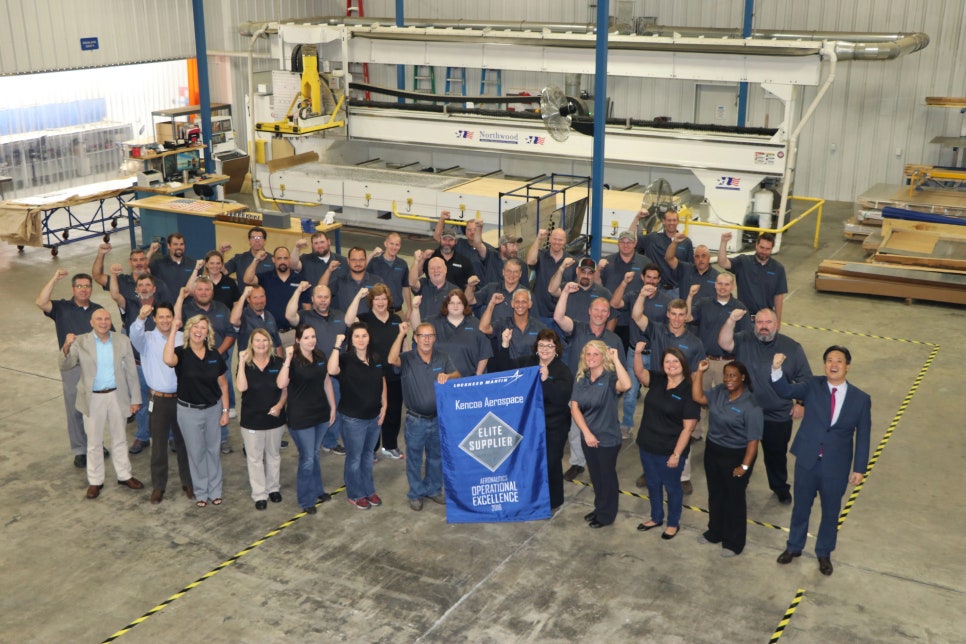
A list of clients being impressive does not automatically guarantee high profits. Quarterly performances and margins can greatly vary depending on the stable repetitive order of specific programs and processes.
US Expansion, Heat Treatment Acquisition and Cost Rate

Kencoa is pursuing a medium- to long-term strategy of 'expansion' and 'localization in the US.' Operations are centered around a production facility in Georgia, conducting machining, sheet metal work, and assembly, while linking materials and supply chains through California. Additionally, by acquiring a heat treatment company in the US, a crucial turning point for internalizing processes is being reached.

Heat treatment is a crucial post-process that determines the quality and delivery times of aerospace and defense components. Relying on external companies can lead to longer lead times and increased cost volatility. Therefore, a strategy is needed to handle this internally to achieve reduced lead times, reduced outsourcing costs, and enhanced quality control simultaneously.
Of course, in the short term, integrated costs and utilization rates will rise, leading to excessive burdens, but in the medium to long term, there is a high likelihood that the cost rate will stabilize, and the gross profit margin will improve. This approach is expected to be a critical stepping stone for sustainable growth.
CB Overhang, Cash Flow Checkpoints

One important factor in the market's view of Kencoa is convertible capital, or convertible bonds (CB). While it is used as flexible funding for securing facility investments and operating capital from the company's side, investors may be concerned about dilution and overhang from the increase in the number of shares.
However, there is no need to view this aspect merely negatively. Once conversion occurs, accounting liabilities are converted into capital, improving the financial structure, especially if operating cash flow turns positive, the market's interest is likely to shift from the dilution issue to actual profits and cash generation capability.
Therefore, when evaluating Kencoa's financial condition, it is crucial to look beyond just the debt ratio and focus on the following three elements. First, it is necessary to assess whether the utilization rate translates into actual sales and profits. Second, check whether there is a trend of improvement in the cost rate. Lastly, closely scrutinize whether there is sufficient operating cash flow to respond to increases in inventory and receivables.
Comparison Points of Similar Companies
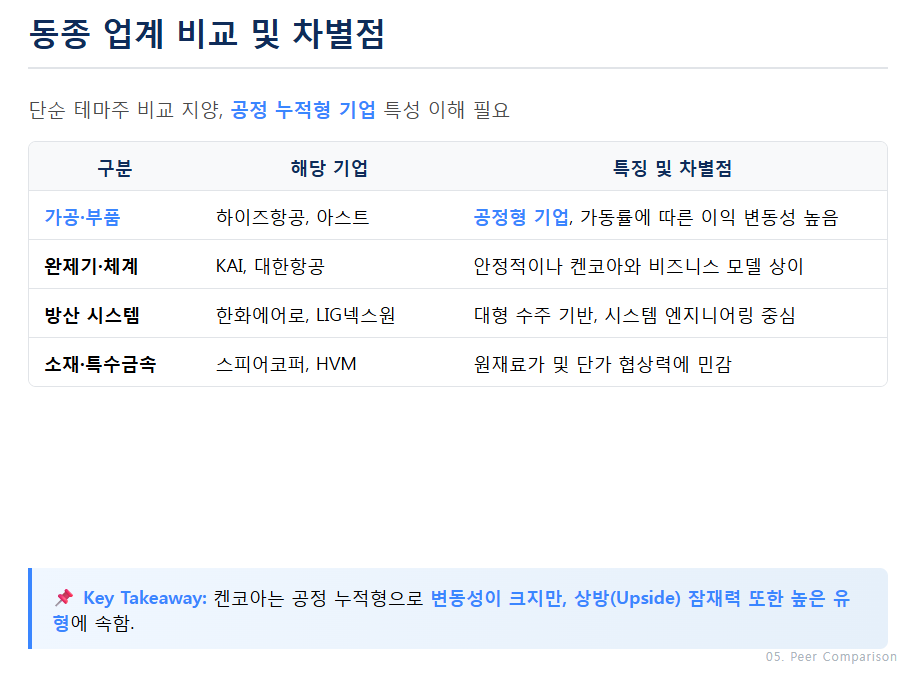
It is prudent to compare Kencoa simply as an 'aerospace theme' with other companies. This company has a process-accumulating structure centered on machining, sheet metal, and assembly, which has high volatility but also substantial growth potential.
The companies under comparison are divided based on their different characteristics.
First, on the axis of processing and structural components, there are Hyes Aviation and Ast.
Next, for finished products and large platform-related companies, Korea Aerospace Industries (KAI) and Korean Air are noted.
Companies involved in the defense system include Hanwha Aerospace and LIG Nex1.
Finally, in the field of materials and special metals, companies like Spear Corporation, SeAH Besteel, and HVM are gaining attention.
Material-centered companies can expect relatively stable margins if repetitive orders are secured, but this heavily depends on raw material prices and negotiation capabilities.
On the other hand, process-driven companies like Kencoa risk significant quarterly margin declines if they fail to manage utilization rates, yield, or outsourcing costs.
Ultimately, for the 'expansion to a comprehensive aerospace company' to hold true, the expansion of CAPA must be numerically verified to lead to increased utilization rates and cost reductions.
Conclusion | Summary of 2026 Turnaround Conditions

For Kencoa Aerospace to achieve a turnaround by 2026, three conditions are crucial.
The first is whether the expanded production capacity translates into actual operation.
The second is to examine whether process localization contributes to cost reduction and improvement in gross profit margin.
Finally, it is necessary for operating cash flow to turn positive and for reliance on CB and borrowings to decrease.

If these three elements are met together, the profit and loss structure can improve rapidly due to the leverage characteristics of manufacturing. However, if the recovery of volume is delayed or poor cash flow persists, the CB overhang could continue to impose restrictions on the rise of stock prices.
#Kencoa Aerospace, #Kencoa Analysis, #Aerospace Stocks, #Defense Stocks, #Aircraft Parts, #Precision Machining, #Sheet Metal, #Assembly, #MRO, #Utilization Rate, #Cost Rate, #Gross Profit Margin, #Operating Cash Flow, #Convertible Bonds, #CB Overhang, #US Expansion, #Heat Treatment Acquisition, #Process Localization, #Delivery Competitiveness, #Quality Certification, #Boeing Partner, #Spirit Aero, #Gulfstream, #Lockheed Martin, #NASA, #SpaceX, #UAM, #Turnaround, #Manufacturing Leverage
Frequently Asked Questions (FAQ)
Q. What are the main business areas of Kencoa Aerospace?
Kencoa Aerospace encompasses precision machining, sheet metal work, assembly, modification, and maintenance (MRO) for aircraft and spacecraft.
Kencoa Aerospace performs a variety of manufacturing processes including precision machining and sheet metal work for aircraft and spacecraft beyond simple component supply. Some businesses also include modification and maintenance (MRO) services, establishing Kencoa’s unique position within the domestic aerospace and defense industry through this diversity.
Q. What are the key investment points for Kencoa Aerospace?
The focus is on the leverage characteristics of manufacturing that are linked to changes in utilization rate and cost rate.
Kencoa is more affected by volatility in manufacturing characteristics than it is by aerospace thematic stocks. When the utilization rate rises, profits improve quickly; conversely, delays in production increase losses. Therefore, it is vital to consider the unique leverage structure of manufacturing and the potential for performance fluctuations when developing investment strategies.
Q. Who are Kencoa's main clients?
Major clients include Boeing, Spirit AeroSystems, Gulfstream, Lockheed Martin, and SpaceX.
Kencoa collaborates with major companies in the global aerospace industry. Key clients in aircraft manufacturing include Boeing, Spirit AeroSystems, and Gulfstream, while companies such as Lockheed Martin, Pratt & Whitney, General Dynamics, NASA, and SpaceX are noted for their contributions in space exploration and advanced technologies. These clients serve as important indicators of Kencoa's technological capabilities, delivery, and quality certification.
Q. What are Kencoa's localization strategy in the US and the effects of heat treatment acquisition?
Localized production and heat treatment in the US are expected to shorten lead times, reduce costs, and enhance quality.
Kencoa operates machining, sheet metal work, and assembly centered around its Georgia plant, with California serving as a hub for connecting material supply chains. Recently, by acquiring a heat treatment company in the US, Kencoa aims to lower external dependence and internalize processes to shorten lead times, reduce outsourcing costs, and enhance quality control. Despite short-term burdens, medium- to long-term improvements in the cost rate and gross profit margin are anticipated.
Q. What is Kencoa's CB overhang and financial checkpoints?
CB conversion can potentially improve financial structure, with utilization rate, cost rate, and operating cash flow as key factors.
Convertible bonds (CB) are utilized for securing facility investments and operational funds, and upon conversion, liabilities become capital, thus improving the financial structure. Investors may worry about share dilution and overhang, but for Kencoa, assessing the connection between utilization rate performance, cost rate improvements, and assured operating cash flow to respond to rising inventory and receivables is crucial. In cases of positive cash flow, market attention is likely to shift from dilution to operational performance and cash generation capacity.
Q. What should be noted in the comparative analysis with similar companies to Kencoa?
It is critical to distinguish between volatility due to processing characteristics and growth potential.
Kencoa is a process-accumulating company centered on machining, sheet metal, and assembly, exhibiting high volatility but also significant growth potential. Comparisons fall into distinct categories: For processing and structural components, companies like Hyes Aviation and Ast are relevant. For finished products and large platforms, Korea Aerospace Industries (KAI) and Korean Air are noted. Companies in defense systems include Hanwha Aerospace and LIG Nex1. Lastly, material companies such as Spear Corporation and SeAH Besteel are also distinguished. Material-centered firms can expect stability in margins with repetitive orders but are sensitive to raw material prices, while process companies like Kencoa risk substantial margin declines if they fail in managing utilization, yield, or costs.
Q. What are the key conditions for Kencoa to achieve a turnaround by 2026?
Operating production capacity, cost reduction through process localization, and securing positive operating cash flow are essential.
For Kencoa's successful turnaround, it is essential that the expanded production capacity is actually operational, process localization leads to cost reductions and improvements in gross profit margins, and that operating cash flow transitions into the positive while reducing reliance on convertible bonds and debts. If these three conditions are met, the leverage effect can accelerate performance improvements; however, if volume recovery is delayed or cash flow remains low, the CB overhang may continue to restrict stock price increases.
