Table of Contents
Opening of Gwangbok-ro Community Workplace Kindergarten
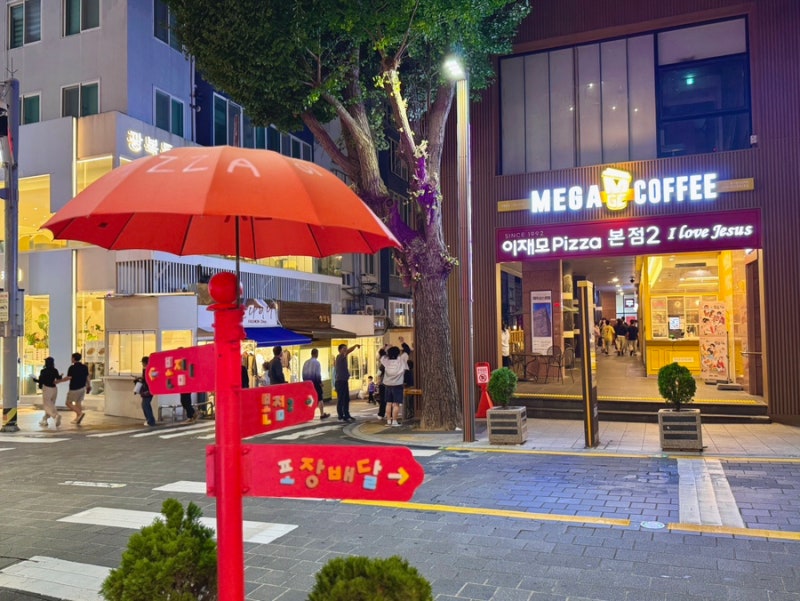
A new community workplace kindergarten has opened in Gwangbok-ro, Jung-gu, Busan. The 「Heim Kindergarten」, opened on February 25, has established itself as a joint childcare model to alleviate the parenting burden of small business and SME workers in the Nampo-dong and Gwangbok-dong areas.
The opening of this kindergarten is the result of collaboration between four companies, including FGK Co., Ltd. (Lee Jae-mo Pizza), Lee Seung-hak Pork Cutlet, Jagalchi Saemaul Geumgo, and Pilgrim's. Establishing a workplace-based kindergarten in the city center is significant. It represents an important step in providing practical support to local workers.
Location and Size of Heim Kindergarten

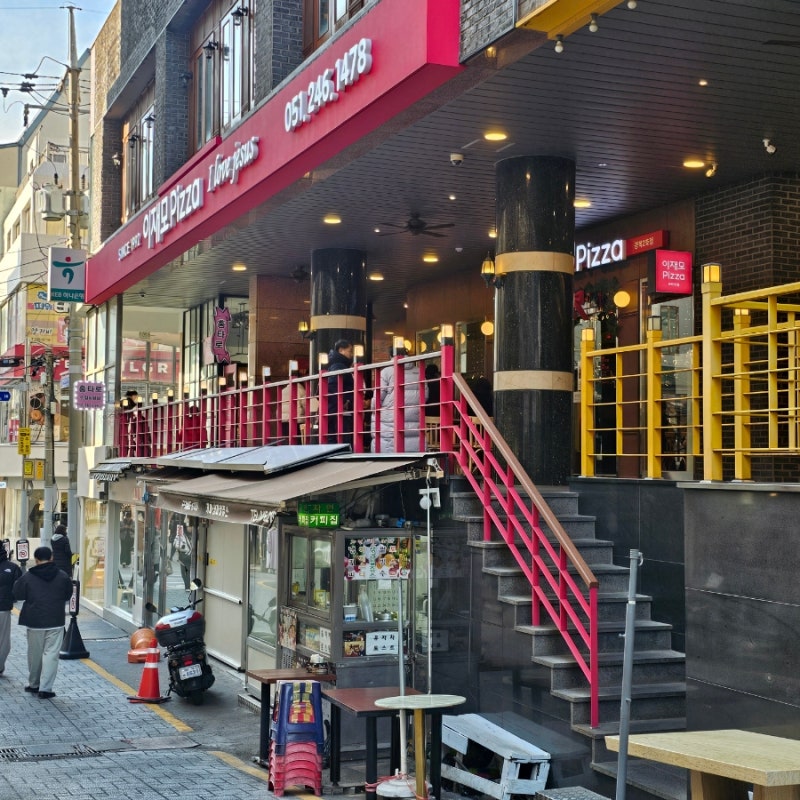
The address of Heim Kindergarten is located at 33 Gwangbokjungang-ro, Jung-gu, Busan, on the 5th floor of Lee Jae-mo Pizza Gwangbok Branch 2. This kindergarten has been designed with an area of 431.44㎡ and can accommodate up to 37 children of workers.
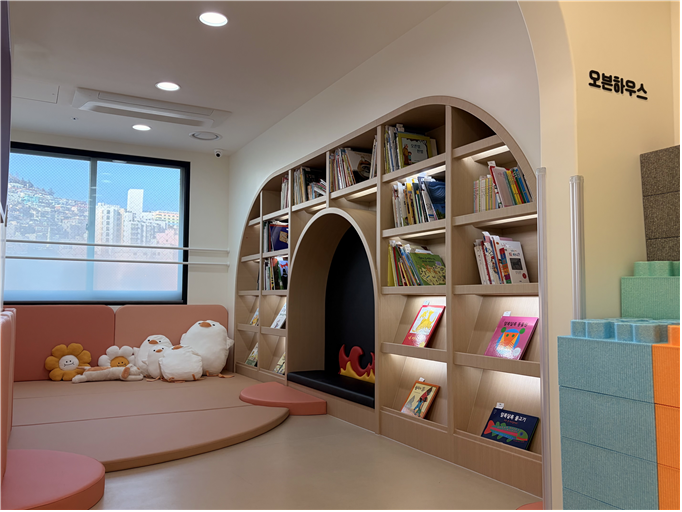
Major facilities in the kindergarten include five childcare rooms divided by age, as well as various media equipment to support sensory development. Additionally, there are play areas and teaching materials at the level of a kids' café, allowing children to enjoy a fun and beneficial time.
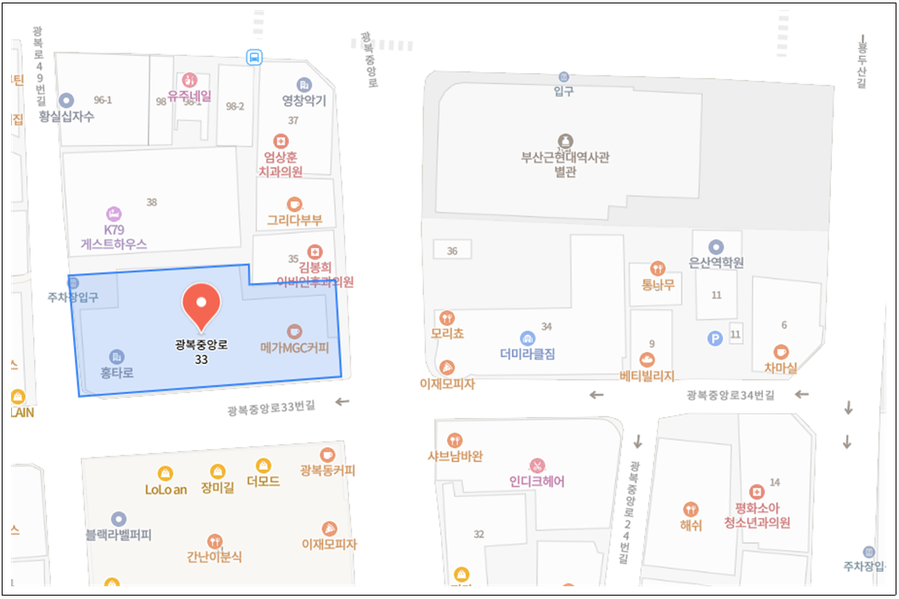
The advantage of being in the city center is excellent accessibility. By providing a care environment close to the workplace, it aligns commuting and childcare routes. This can be seen as a community childcare model closely linked to the workplace.
Expansion of Support for Small Business Childcare
This project was officially launched after being selected for the Workers' Welfare Corporation’s 'Support Project for Installation Costs of Community Workplace Kindergartens for Small Enterprises'. A total of 1 billion won is being invested, of which 900 million won is national funding and 100 million won is borne by the companies.
In particular, starting in March, it is expected to operate as a Busan-type 365 open-time kindergarten, which provides temporary childcare services on weekends and holidays for the children of local small business owners. This system is expected to provide practical help to self-employed individuals who work on holidays in the service-oriented Gwangbok-ro business district.

The Gwangbok-dong and Nampo-dong areas are home to many small shops, restaurants, and tourist attractions. This structure may result in a shortage of childcare facilities, so the community workplace kindergarten is expected to play an important role in the sustainable development of the business district.
Significance of the Community Childcare Model
Since 2016, Busan City has been increasing the number of community workplace kindergartens in areas densely populated with small and medium-sized businesses. Currently, there are seven operating in locations such as Noksan, Centum City, Junggwan, and Myeongji, with Heim Kindergarten being a unique model in the urban business district.
The recently opened community workplace kindergarten in Gwangbok-ro is gaining attention as a local custom policy that attempts to integrate business districts and childcare, going beyond mere expansion of childcare facilities. This enables workers to concentrate more on their work and allows companies to establish an image of harmonizing work and family.
Depending on future user demand and operational success, there is hope for expansion to other business districts beyond Nampo-dong and Gwangbok-dong. Whether childcare support can positively influence the local economy remains an important point.
#Gwangbok-ro, #community workplace kindergarten, #Heim Kindergarten, #Busan childcare policy, #Nampo-dong childcare, #Gwangbok-dong business district, #small business childcare support, #self-employed care, #Busan community childcare, #Jung-gu Busan, #Lee Jae-mo Pizza, #Workers' Welfare Corporation, #Busan Type 365 Kindergarten, #weekend childcare, #holiday childcare, #Busan business district policy, #work-family balance, #Busan youth policy, #Busan care, #Gwangbok-ro Kindergarten, #support for SMEs, #Busan city policy, #Busan childbirth policy, #Busan parenting environment, #Busan education welfare, #Busan urban policy, #Busan coexistence model, #Busan economic revitalization, #Busan tailored policy, #community childcare model
Frequently Asked Questions (FAQ)
Q. What is the purpose of the newly opened community workplace kindergarten "Heim Kindergarten" in Gwangbok-ro, Jung-gu, Busan?
Heim Kindergarten is a joint childcare model aimed at alleviating the childcare burden of small business and SME workers.
Heim Kindergarten opened on February 25 in Gwangbok-ro, Jung-gu, Busan, created to reduce the childcare burden for small business and SME workers in the Nampo-dong and Gwangbok-dong areas. It was established through the cooperation of four companies to provide practical childcare support to workers by setting up a workplace-based kindergarten in the heart of the city.
Q. What are the location and size of Heim Kindergarten?
Heim Kindergarten is located at 33 Gwangbokjungang-ro, Jung-gu, Busan, on the 5th floor of Lee Jae-mo Pizza Gwangbok Branch 2, and covers an area of 431.44㎡.
The kindergarten can accommodate up to 37 children of workers and is equipped with five childcare rooms separated by age and media equipment supporting sensory development. There are also play areas and teaching materials at the level of a kids' café, providing an environment where children can spend enjoyable and beneficial time.
Q. What is the significance of community workplace kindergartens being established in urban business districts?
Community workplace kindergartens in urban business districts provide excellent accessibility and a childcare environment close to workplaces.
By establishing kindergartens in the core business districts of the city, workers can align their commuting routes with childcare paths, making it convenient. This is evaluated as a community childcare model that simultaneously supports workers' concentration on work and alleviation of parenting burdens by creating a closely linked childcare environment to the workplace.
Q. How is the operational support and expansion of facilities for Heim Kindergarten being carried out?
It was established with a 1 billion won grant from the Workers' Welfare Corporation and will operate as a 365 open-time kindergarten from March.
This kindergarten was selected for the Workers' Welfare Corporation’s 'Support Project for Installation Costs of Community Workplace Kindergartens for Small Enterprises', funded with 900 million won of national funds and 100 million won from corporate burdens. Starting in March, it will operate as a Busan-type 365 open-time kindergarten, providing temporary childcare services on weekends and holidays, catering to the childcare needs of self-employed individuals working in the service-centered district.
Q. What is the significance of community childcare models like Heim Kindergarten for the local business district and society?
Community childcare models have a positive impact on both workers and businesses through the integration of childcare and business districts, making them a locally tailored policy.
Busan City has continuously expanded kindergartens in areas densely populated with SMEs, and Heim Kindergarten is gaining attention as the first model within the urban business district. This model supports the work-family balance of workers and contributes to enhancing the corporate image. There is a high possibility of expansion to other business districts depending on future user demand and operational performance, and it is expected that childcare support will contribute to invigorating the local economy.
