Table of Contents
- Turning Point in the Silver Investment Market
- Causes of Silver Price Crash and Rebalancing Effects
- Trump's Suspension of Mineral Tariffs and Gold-Silver Ratio Assessment
- Current Status of Physical Silver Inventories in Shanghai and COMEX
- Conclusion: Silver Investment Strategy and $100 Possibility
- Frequently Asked Questions (FAQ)
Turning Point in the Silver Investment Market

In mid-January 2026, the price of silver has dramatically dropped after approaching historical highs, drawing the attention of global investors. As the possibility of silver reaching $100 per ounce is being discussed, it is necessary to review the short-term adjustment causes and the medium to long-term outlook together.

As of January 14, the silver price on the Shanghai Exchange exceeded $100 per ounce.
In this post, we will comprehensively examine the rebalancing adjustments, the Trump administration's suspension of mineral tariffs, the gold-silver ratio level, and the current status of physical silver inventories in Shanghai and the US to analyze the silver market.
Causes of Silver Price Crash and Rebalancing Effects

On January 15, after exceeding $90 per ounce, silver prices underwent significant adjustments due to profit-taking sell orders and technical rebalancing volumes hitting the market simultaneously.
Throughout 2025, silver prices rose over 140%, resulting in an excessive increase in silver's weight in commodity indices. This led to large-scale futures selling during the regular rebalancing process at the beginning of the year.
Furthermore, the increase in maintenance margins at exchanges prompted a reduction in leveraged positions, resulting in increased short-term volatility. This can be interpreted as a process of correcting overheating rather than weakening fundamentals for silver.
| Metal | Current Price | Change | Previous High |
| Spot Gold | $4,594.66/oz | -0.6% | $4,642.72 |
| Gold Futures (Feb) | $4,599.50/oz | -0.8% | - |
| Spot Silver | $87.88/oz | -5.3% | $93.57 |
| Spot Platinum | $2,288.05/oz | -4.0% | $2,478.50 |
| Palladium | $1,753.53/oz | -2.5% | - |
Trump's Suspension of Mineral Tariffs and Gold-Silver Ratio Assessment
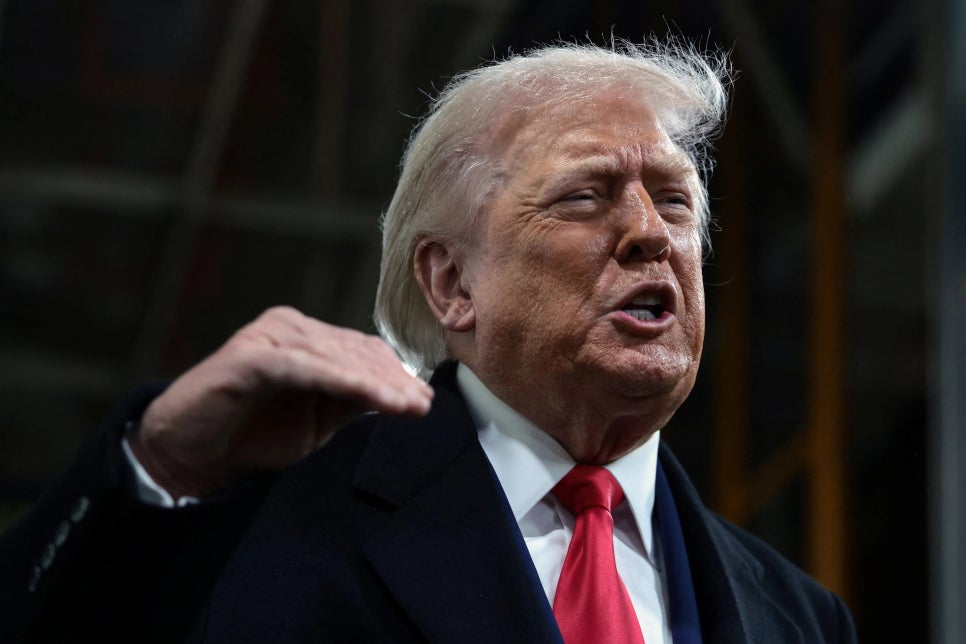
The Trump administration decided not to impose tariffs on key minerals, including silver and platinum, immediately. Instead, they aimed to resolve the issue through bilateral negotiations. As a result, concerns about supply shortages have decreased, leading to a reduction in the premium on safe assets.

The current gold-silver ratio, representing the price of silver against gold, is approximately 50. This is lower than the historical average of 60. This phenomenon can be interpreted as indicating that the price of silver has risen sharply in a short period.
However, considering the increase in demand from diverse industries such as solar energy and electric vehicles, it is difficult to regard silver as merely overvalued. Therefore, the gold-silver ratio could serve as an important rebalancing indicator for future adjustments in the proportion of silver investments.
Current Status of Physical Silver Inventories in Shanghai and COMEX
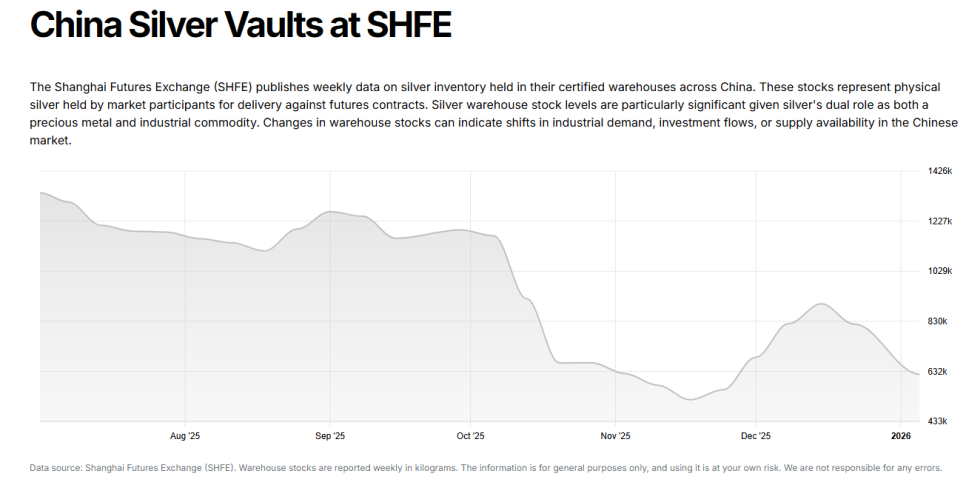

In recent months, physical silver inventories at the Shanghai Futures Exchange and the New York Commodity Exchange have noticeably decreased.
At the Shanghai Futures Exchange, the inventory has decreased by about 80% compared to the peak in 2021, indicating significant pressure on physical demand within China.
Meanwhile, at COMEX in New York, readily available registered inventories have declined by over 70% compared to 2020, reflecting a situation where the supply of physical silver is diminishing.
This decrease in inventory acts as a structural element defending against price declines for silver in the medium to long term, independent of short-term price fluctuations.
Conclusion: Silver Investment Strategy and $100 Possibility
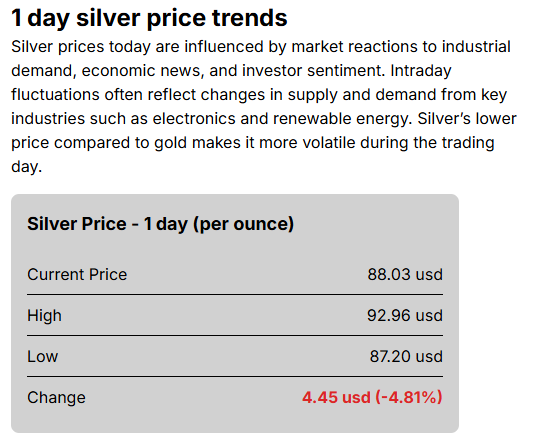
The current silver market is characterized by both short-term overheating corrections and medium to long-term bullish factors.
While rebalancing and policy changes have increased market volatility, the decrease in physical inventories and the rise in industrial demand continue to have positive effects. Therefore, the possibility of breaking through $100 per ounce in the short term appears high.
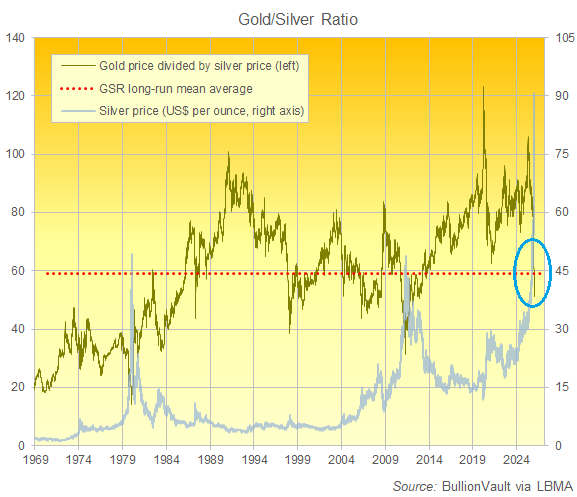
Investors need strategies that incorporate both staggered buying and profit-taking with consideration of the gold-silver ratio. With the surge in silver prices over the past year, the gold-silver ratio has dropped substantially, leading to increased burdens. Therefore, it is advisable to approach this from a medium-term perspective.
Ultimately, silver is considered both a trading target in the short term and an essential strategic asset within long-term portfolios.
#silverinvestment, #silverpriceoutlook, #silver100dollars, #goldsilverratio, #goldandsilverratioanalysis, #rebalancing, #Trumptariffs, #mineraltariffs, #safeassets, #preciousmetals, #commodityinvestment, #COMEX, #ShanghaiFuturesExchange, #physicalsilver, #silversupply, #goldinvestment, #inflationhedge, #industrialmetals, #solarmaterials, #electricvehiclematerials, #globalinvestment, #marketanalysis, #financialtechnology, #investmentstrategies, #commoditymarket, #metalmarket, #portfolio
Frequently Asked Questions (FAQ)
Q. What is the reason for the sharp recent drop in silver prices?
The drop in silver prices is a temporary phenomenon due to profit-taking sell orders and rebalancing adjustments.
Recently, silver prices dropped sharply after exceeding $90 per ounce due to profit-taking and the release of technical rebalancing volumes. Silver had a disproportionate weight in commodity indices, having risen over 140% during 2025, leading to large-scale futures selling during the regular rebalancing at the beginning of the year. Additionally, the increase in maintenance margins at exchanges prompted a reduction in leveraged positions, resulting in increased short-term volatility. This phenomenon should be understood as a process of correction rather than a weakening of fundamentals.
Q. What impact has the Trump administration's suspension of mineral tariffs had on the silver market?
The suspension of tariffs has alleviated concerns about supply shortages, resulting in a reduction in the premium on safe assets.
The Trump administration decided not to impose immediate tariffs on key minerals, including silver and platinum, and resolved to address the issue through bilateral negotiations. This policy decision lowered market concerns about supply shortages, which led to a decrease in the premium on silver as a safe asset. This represents a positive environmental change for silver investors and may contribute to long-term supply stability.
Q. What is the current state of the gold-silver ratio and what does it mean for silver investment?
The current gold-silver ratio is about 50, indicating lower silver prices reflecting short-term increases.
The gold-silver ratio, which represents the price of silver against gold, is approximately 50, which is lower than the historical average of 60. This suggests that silver prices have recently surged, but considering the increases in demand from the solar and electric vehicle sectors, it is difficult to regard silver as simply overvalued. Therefore, the gold-silver ratio could serve as an important indicator for future adjustments and rebalancing in silver investments. Investors should seek strategic buying and profit-taking opportunities in consideration of the gold-silver ratio.
Q. What is the status of physical silver inventories at the Shanghai and COMEX exchanges?
Both exchanges show significant reductions in physical silver stocks, indicating supply shortages.
In recent months, silver inventories at the Shanghai Futures Exchange have decreased by about 80% compared to their peak in 2021, and the readily available inventories at COMEX in New York have also fallen by over 70% compared to 2020. This decrease illustrates pressures in physical demand within China and a supply shortage situation in the U.S. This structural reduction in inventories is expected to play a role in defending against declines in silver prices in the medium to long term, irrespective of short-term price fluctuations.
Q. How do you view silver investment strategies and the potential for breaking above $100 per ounce in the future?
While short-term volatility is high, there is a strong possibility of breaking through $100 alongside medium to long-term bullish factors.
Currently, the silver market faces increased short-term volatility due to rebalancing and policy changes. However, the decrease in physical inventories and the rise in industrial demand serve as positive factors, increasing the likelihood of silver prices breaking $100 per ounce. Investors should engage in a medium-term approach by balancing staggered buying with profit-taking, while closely monitoring the gold-silver ratio. Silver functions both as a short-term trading target and as an important strategic asset in long-term portfolios.
