Table of Contents
- Overview of the Bucheon Station Transfer Center
- Bucheon Station: Core Hub of Regional Transportation
- Combination of Commercial and Cultural Development Strategies
- Implementation Strategy Reflecting National Plans
- Summary of Expected Effects of Bucheon Station Development
- Frequently Asked Questions (FAQ)
Overview of the Bucheon Station Transfer Center
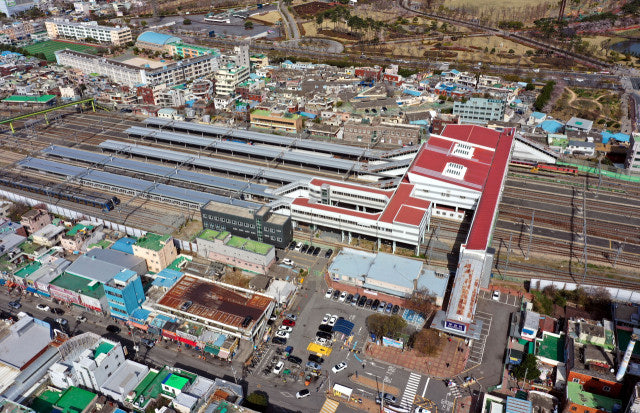
The city of Busan will begin the Bucheon Station Transfer Center project in earnest. The purpose of this project is to establish a central transportation hub in Busan as a global maritime capital, going beyond a simple transfer facility.
A kick-off meeting is scheduled for March 2026, following which feasibility studies and basic planning services will be conducted sequentially. During this process, optimal transfer systems will be established through demand forecasting and economic analysis. The city has already secured relevant budgets to lay the groundwork for the project.
This project is particularly unique as it is a mixed-use development that harmonizes transportation, commerce, culture, and convention functions, distinguishing it from traditional railway station developments. In this regard, Busan will have the opportunity to build a future-oriented transportation infrastructure.
Bucheon Station: Core Hub of Regional Transportation
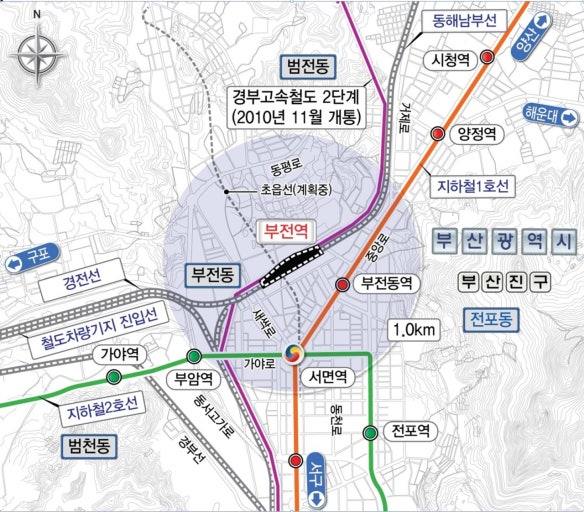
Bucheon Station is rapidly developing as a core of the southeastern regional transportation network.
Currently operating transportation options include the Jungang Line and the Donghae Line, and the operation of KTX-Eum on the Donghae Line is expected to expand in the future. Additionally, connections with the Gyeongjeon Line and the introduction of Busan-type express railway are also planned.
As the transportation network expands, Bucheon Station is growing into the largest transfer hub in the southeastern region. With the introduction of KTX-Eum and the increase in train services, accessibility has greatly improved, and it is positioning itself as a central hub of a metropolitan network connecting not only Busan but also Ulsan and the Gyeongnam region.
Combination of Commercial and Cultural Development Strategies
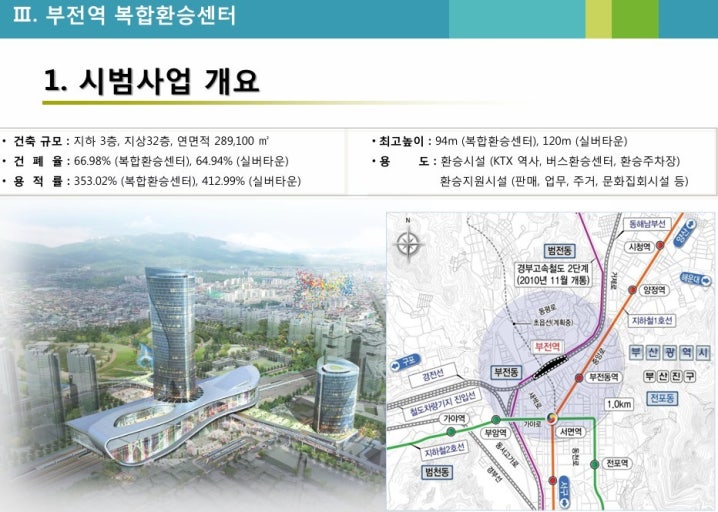
The main goal of the Bucheon Station Transfer Center is to develop it into a mixed-use living hub that goes beyond a simple transportation facility.
To understand this direction, it is essential to consider the locational characteristics around Bucheon Station. Its proximity to the commercial center of Seomyeon, the potential for integration with Busan Citizens' Park, the density of traditional markets and existing commercial districts, and direct connections to urban railroads support this.
The city of Busan plans to utilize these elements to connect areas disrupted by railways and to build a pedestrian-centered urban structure. Particularly, once the connection route linking citizens' park, Seomyeon, and Bucheon Station is completed, it is expected to increase foot traffic, activate the commercial district, and expand consumption in the urban economy, creating a synergy effect.
This is a strategic development that aims for not only transportation improvements but also urban regeneration and the reorganization of commercial districts simultaneously.
Implementation Strategy Reflecting National Plans

The Bucheon Station Transfer Center is currently in progress to be included in the 5th Metropolitan Area Transportation Implementation Plan. This plan covers the period from 2026 to 2030.
The city of Busan is closely reviewing the project's economic viability and feasibility in cooperation with the Metropolitan Area Transportation Committee and the Korea Transport Institute. The project schedule is as follows: In 2026, feasibility studies and basic planning services will be conducted, and from 2027 to 2029, private developers will be selected and the development plan finalized. Finally, construction is planned to commence in 2030.
The project will be promoted step by step, and the inclusion in national plans is expected to have a significant impact on the speed of progress. Additionally, it is notable that the city of Busan and the local community are securing both justification and momentum for the project through collaboration.
Summary of Expected Effects of Bucheon Station Development

The development of the Bucheon Station Transfer Center holds great potential to innovate Busan's urban structure, going beyond mere transportation infrastructure expansion.
The main expected effects are as follows: First, it will strengthen its role as a metropolitan transportation hub in the southeastern region. Second, the commercial center of Seomyeon is likely to expand and be reorganized. Third, the pedestrian network with citizens' park will be further strengthened. Fourth, urban competitiveness is expected to increase through mixed development. Finally, the status of Busan as a global maritime capital is expected to be further enhanced.
In conclusion, Bucheon Station will establish itself as a new key axis of Busan, combining transportation, commerce, and culture. As expansions of BuTX, the Gyeongjeon Line, and KTX are carried out in the future, the value and influence of Bucheon Station are expected to increase significantly.
#BucheonStationTransferCenter, #BusanDevelopment, #BusanRealEstate, #SeomyeonBusinessDistrict, #BusanTransportation, #BuTX, #DonghaeLine, #JungangLine, #GyeongjeonLine, #KTX-Eum, #BusanJinGu, #BusanCitizensPark, #BusanUrbanRegeneration, #TransferCenter, #MixedDevelopment, #BusanCoreLocation, #MetropolitanTransportationNetwork, #BusanInvestment, #BusanCommercialDistrict, #BusanHotPlace, #BusanUrbanDevelopment, #BusanInfrastructure, #BusanEconomy, #BusanTransportationBenefits, #BusanFuture, #BusanUrbanPlanning, #BusanBalancedDevelopment, #MetropolitanAreaPlan, #BusanKeyProjects, #BusanTransportationInnovation
Frequently Asked Questions (FAQ)
Q. What is the main purpose of the Bucheon Station Transfer Center development?
The Bucheon Station Transfer Center aims to create a core transportation hub and mixed-use living space in Busan, the global maritime capital.
The project to establish the Bucheon Station Transfer Center aims not just to build a transfer facility but to form a crucial transportation hub for Busan as a global maritime capital. The city of Busan is pursuing a mixed-use living hub development that harmonizes transportation, commerce, culture, and convention functions, striving to realize both a future-oriented transportation infrastructure and urban regeneration simultaneously.
Q. What regional transportation functions does Bucheon Station have?
Bucheon Station is rapidly emerging as a core hub in the southeastern transportation network, expanding various railway lines and KTX-Eum operations.
Currently, Bucheon Station operates the Jungang Line and the Donghae Line, with plans for future expansions of the KTX-Eum service on the Donghae Line and connections with the Gyeongjeon Line, along with the introduction of Busan-type express railways. This makes Bucheon Station a vital transfer hub in the southeastern region, serving as a key axis in the metropolitan network connecting Ulsan and Gyeongnam.
Q. How is the Bucheon Station Transfer Center development linked to the Seomyeon commercial district?
The Transfer Center is adjacent to the Seomyeon commercial district, connecting urban routes and promoting the activation of commerce.
The area around Bucheon Station is densely populated with commercial centers, Busan Citizens' Park, and traditional markets. The city of Busan plans to utilize these locational characteristics to connect spaces disrupted by railways with a pedestrian-centered urban structure, expecting an increase in foot traffic and expanding consumer retention between citizens' park and Seomyeon. This is a strategic development that aims for simultaneous revitalization of commerce and urban regeneration.
Q. What is the timeline for the Bucheon Station Transfer Center project and how does it reflect national plans?
The project will begin with a feasibility study in 2026, and national plan inclusion will influence project progress speed.
The project will commence with a kick-off meeting in 2026, followed by feasibility studies and basic planning services. From 2027 to 2029, private developers will be selected and development plans will be finalized, with the official construction scheduled for 2030. It is currently working towards inclusion in the 5th Metropolitan Area Transportation Implementation Plan, where national plan inclusion is expected to be a significant variable influencing project speed.
Q. What expected effects are anticipated from the development of the Bucheon Station Transfer Center?
Strengthening the metropolitan transportation hub, expanding commercial districts, enhancing pedestrian networks, and improving urban competitiveness are expected.
The development of Bucheon Station will not only strengthen its role as a hub of metropolitan transportation but also contribute to the expansion and reorganization of the Seomyeon commercial district, enhance the pedestrian network with Busan Citizens' Park, and improve urban competitiveness through mixed development. The enhancement of Busan's status as a global maritime capital is also a key expected outcome. Through this, Bucheon Station is expected to establish itself as a central hub of transportation, commerce, and culture in Busan.
