Table of Contents
Prelude to the Arctic Route Era
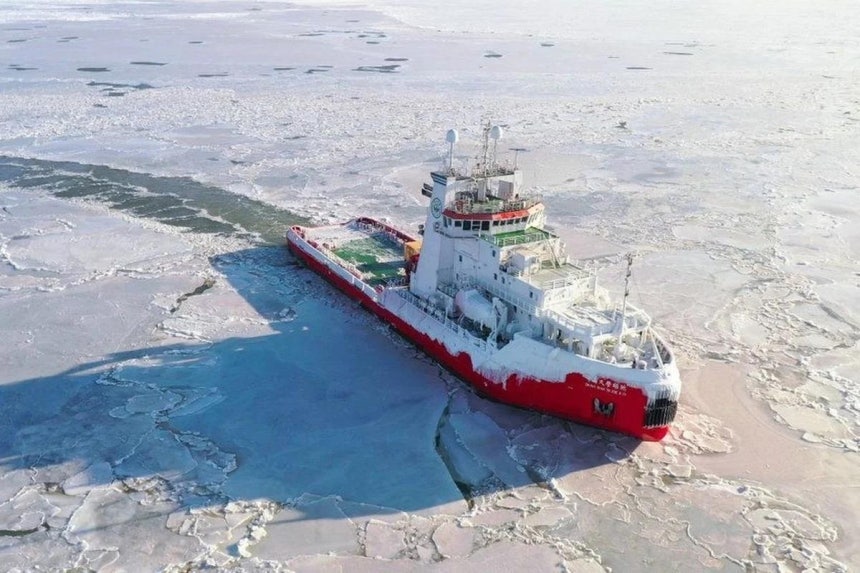
Busan City has officially commenced preparations to lead the Arctic Route era.
On February 24, a cultural policy forum held at the Busan Port International Exhibition and Convention Center (BPEX) brought together regional leaders from Busan, Ulsan, and Gyeongnam to share their visions and strategies regarding the Arctic Route. This forum is seen as an important starting point for policy discussions aimed at establishing Busan as a hub for the Arctic Route.
It is expected that these discussions will significantly contribute to Busan's positioning as an international logistics center.
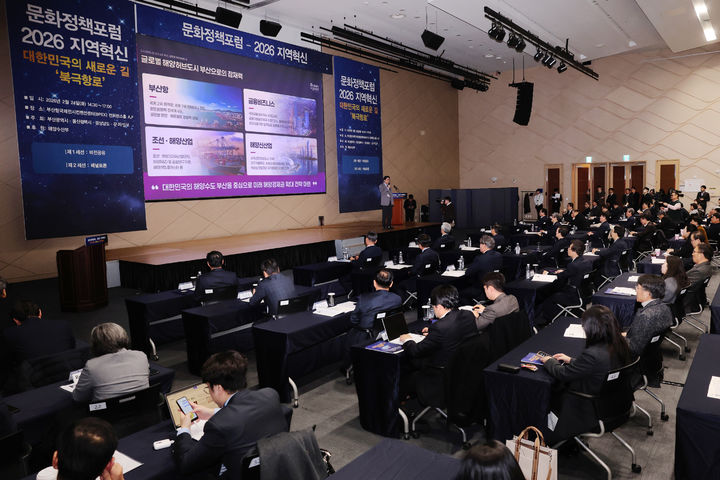
Busan City regards the Arctic Route as a key pillar of its future marine economy and has operated a dedicated task force since 2024. This forum shared the progress made thus far and further detailed regional cooperation models, signaling a transition to the policy implementation stage.
While there is great anticipation surrounding the Arctic Route, it is important to remember that risks always exist.
Core of the Four Key Promotion Strategies
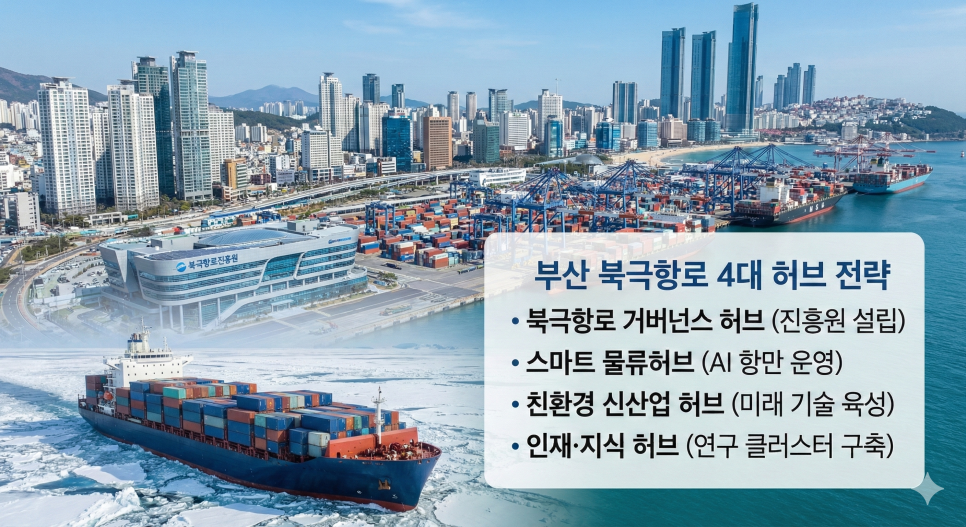
Busan City has announced four key promotion strategies related to the Arctic Route to strengthen its status as a global marine hub city.
The first proposed strategy is the establishment of an Arctic Route Governance Hub. To achieve this, there are plans to set up an 'Arctic Route Promotion Institute' in Busan through collaboration with a government-wide control tower to focus on policy establishment, technology development, and international cooperation functions. This is considered a significant strategy that can be expected to generate policy synergies alongside the transfer of the Ministry of Oceans and Fisheries.
The second strategy is to create a Smart Logistics Hub. Busan aims to enhance berth productivity at the Busan Port to world-class levels by upgrading AI-based port operations and digital logistics systems.
The third plan focuses on fostering a hub for eco-friendly new industries. This involves developing future-oriented industries such as eco-friendly ship technology, marine energy, and specialized ships for polar regions.
Lastly, emphasis is placed on creating a talent and knowledge hub. The strategy is to secure long-term competitiveness by training personnel in marine new technologies and establishing research clusters.
These four strategies are not short-term projects, but a structural approach to build an economic ecosystem around the Arctic Route centered on Busan Port. Through these long-term plans, Busan City is expected to further enhance its competitiveness in the marine sector.
Cooperation Framework among Busan, Ulsan, and Gyeongnam
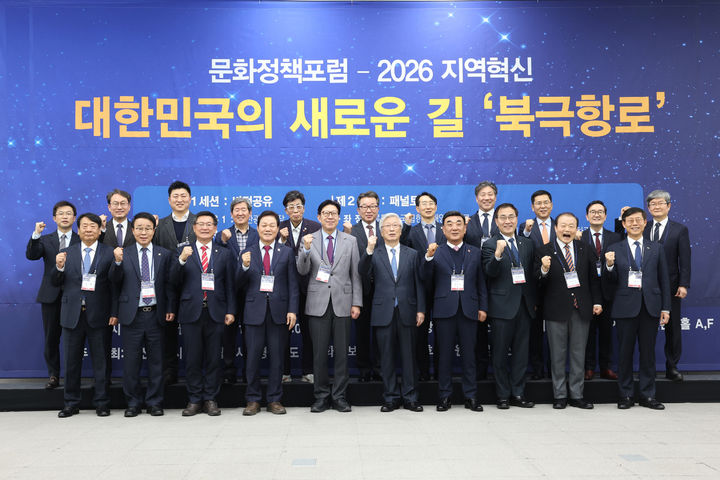
One noteworthy point from this forum is the establishment of a cooperation framework among Busan, Ulsan, and Gyeongnam. Ulsan focused on energy supply, eco-friendly ship technology, and storage systems, while Gyeongnam emphasized port and manufacturing infrastructure, highlighting the need for collaboration.
In particular, Ulsan pointed out the importance of building safe routes utilizing shipbuilding and marine technology, as well as AI-based data centers, while Gyeongnam proposed enhancing the competitiveness of the Busan Port to promote regional economic growth. This clearly indicates that the Arctic Route project is not merely a municipal initiative but can develop into a strategic industry for the entire southeastern region.

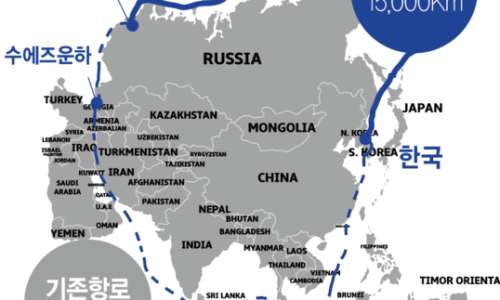
If the Arctic Route is actually implemented, Busan Port could grow into a major logistics center connecting Europe and North America. The shortening of route distances and reduction of logistics costs will become crucial factors that will bring about significant changes in the Northeast Asian maritime logistics market.
Future Vision of Busan Port
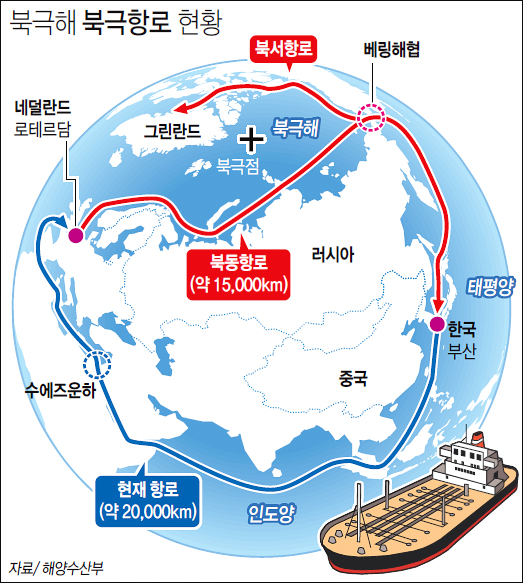
The commercialization of the Arctic Route cannot be achieved in the short term. Various factors, such as climate change, international politics, and safety issues, are at play. Nevertheless, Busan City recognizes this as an expansion opportunity for future marine economies and is preparing proactive response strategies.
If marine financial capabilities are strengthened, smart port development is achieved, and polar research collaborations expand, Busan Port has the potential to grow beyond a mere transshipment port into a complex hub where policies, finance, and technologies converge.
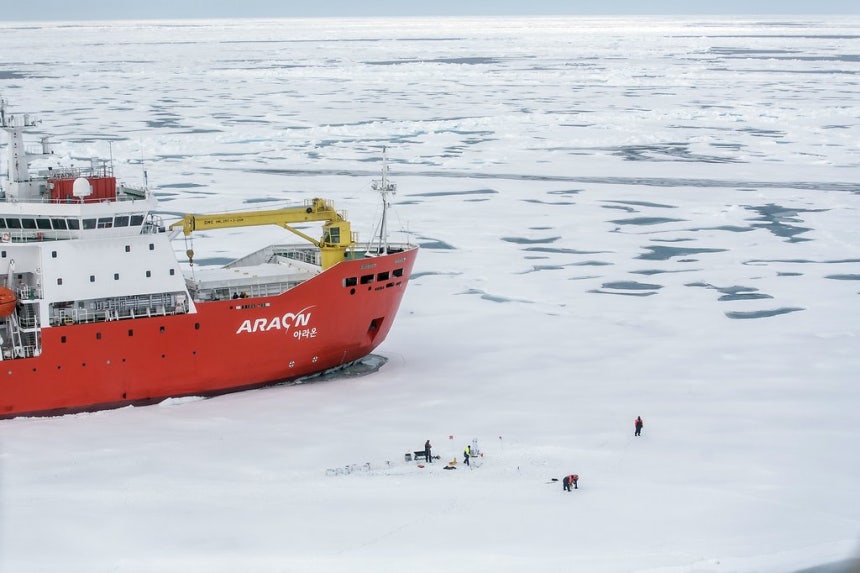
This cultural policy forum demonstrates that the Arctic Route strategy for Busan Port is moving from declaration to execution. If the cooperation system among Busan, Ulsan, and Gyeongnam continues, the Arctic Route is expected to inject new vitality into the regional economy of the southeast. Future ties with government policies will be key to its success.
#ArcticRoute, #BusanPort, #BusanCityPolicy, #ParkHyungJoon, #BusanUlsanGyeongnamCooperation, #UlsanCity, #Gyeongsangnamdo, #MarineEconomy, #GlobalMarineHub, #SmartLogistics, #EcoFriendlyShips, #MarineNewIndustry, #NorthPortRedevelopment, #MinistryofOceansandFisheries, #MarineFinance, #PolarRoute, #SoutheastEconomicZone, #PortLogistics, #AIPort, #BerthProductivity, #ArcticEconomy, #MegaEconomicZone, #EnergyHub, #ShipbuildingIndustry, #PortCompetitiveness, #FutureOfBusanPort, #MarinePolicy, #NationalStrategicIndustry, #ArcticRouteStrategy, #BusanNorthPort
Frequently Asked Questions (FAQ)
Q. How is Busan City preparing for the Arctic Route era?
Busan City has fully commenced regional cooperation and policy discussions for establishing itself as a hub for the Arctic Route.
Busan City recognizes the Arctic Route as a key pillar of its future marine economy and has operated a dedicated task force since 2024. At the cultural policy forum held on February 24, regional leaders from Busan, Ulsan, and Gyeongnam gathered to share their visions and strategies for the Arctic Route, marking a foundational discussion for policy negotiations aimed at establishing Busan as a hub for the Arctic Route. These discussions are expected to significantly contribute to Busan's positioning as an international logistics center.
Q. What are the four key promotion strategies for the Arctic Route's development at Busan Port?
The key components are establishing a governance hub, creating a smart logistics hub, fostering eco-friendly new industries, and developing a talent and knowledge hub.
First, we will establish a governance hub in Busan by collaborating with the government to create the 'Arctic Route Promotion Institute.' Second, we will create a smart logistics hub by enhancing port operations based on AI and digital logistics systems. Third, we plan to foster a hub for new industries such as eco-friendly ship technology and marine energy. Lastly, we will secure long-term competitiveness by developing talent in marine new technologies and establishing research clusters to create a knowledge hub. These four strategies aim to build an economic ecosystem centered around the Arctic Route at Busan Port.
Q. What focuses do Busan, Ulsan, and Gyeongnam emphasize in their cooperation for the Arctic Route?
Ulsan emphasizes energy and eco-friendly ships, while Gyeongnam focuses on port and manufacturing infrastructure cooperation.
Ulsan City is focusing on safe route building utilizing shipbuilding and marine technologies, as well as AI-based data centers, and is emphasizing energy supply and eco-friendly ship technologies. Gyeongnam has proposed enhancing the competitiveness of Busan Port and promoting regional economic growth through strengthening port and manufacturing infrastructure. This cooperation serves as a foundation for the Arctic Route project to develop as a strategic industry for the southeastern region.
Q. What impact will the commercialization of the Arctic Route have on Busan Port?
Busan Port will grow into a logistics center connecting Europe and North America, reducing logistics costs and distances.
If the Arctic Route is operational, Busan Port could position itself as a significant hub in the Northeast Asian maritime logistics market. Shortening route distances will bring about logistics cost savings, greatly enhancing international logistics efficiency. This will positively affect not only Busan Port but also the overall regional economy, becoming a key factor in strengthening its competitiveness as a global marine hub.
Q. What risk factors should be considered until the commercialization of the Arctic Route?
There are various variables, including climate change, international politics, and safety issues.
The Arctic Route poses complex risks due to environmental uncertainties linked to climate change, geopolitical tensions, and operational safety issues. Therefore, immediate commercialization is challenging and long-term preparations are needed. Busan City is managing these risks and preparing for future marine economy expansion opportunities through strengthening marine finance, developing smart ports, and expanding polar research collaborations.
