Table of Contents
- Fundamental Transformation of Busan’s Tap Water System
- Background of the Aging Water Treatment Plant Modernization Project
- Core of Introducing Advanced Water Treatment Processes
- Five-Stage Cycle Maintenance Strategy until 2050
- Expansion Effect Towards a Smart Water City
- Conclusion | Building a Long-Term Safety Net for High-Quality Tap Water
- Frequently Asked Questions (FAQ)
Fundamental Transformation of Busan’s Tap Water System
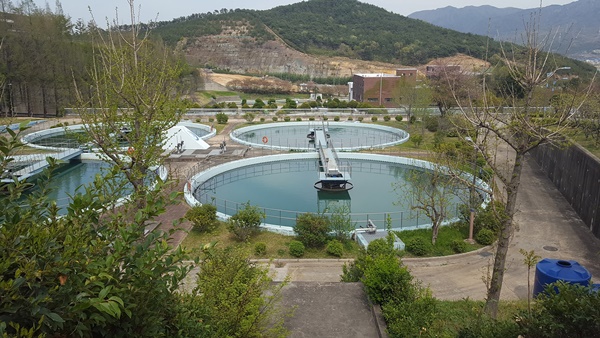
Busan City has decided to proceed with the modernization of aging water treatment plants to ensure safe drinking water for its citizens.
The Busan Waterworks Headquarters plans to invest a total of 2.57 trillion won to introduce advanced water treatment processes at four plants: Deoksan, Hwamyung, Myeongjang, and Beomeosa. This project is expected to be implemented in phases until 2050.
This project is anticipated to be a crucial turning point that fundamentally transforms Busan's water management system beyond mere facility improvements.
Background of the Aging Water Treatment Plant Modernization Project
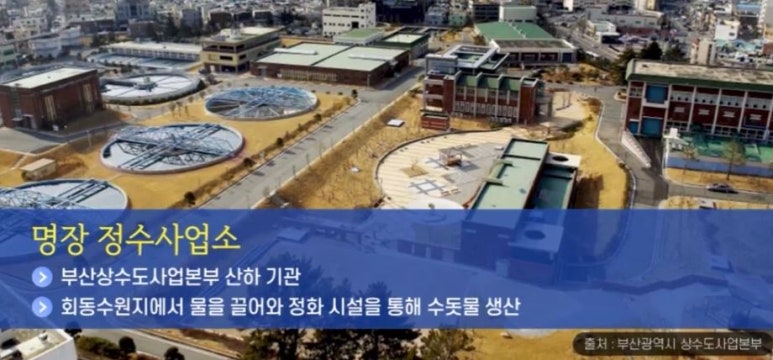
Many of Busan's water treatment plants have been in operation for over 40 years, leading to significant aging of facilities.
The fluctuation in the quality of raw water from the Nakdong River due to climate change is increasing, and the issue of trace contaminants like perfluoroalkyl substances (PFAS) is becoming severe. In this context, the limitations of existing advanced water treatment methods are becoming apparent.
To address these issues, Busan City has decided to redesign the entire water treatment process and to launch a long-term project aimed at improving water quality safety, stability, and reliability all at once.
Core of Introducing Advanced Water Treatment Processes

The advanced water treatment process involves incorporating membrane filtration technologies (MF·UF·NF·RO) into the existing advanced water treatment methods.
The main advantages of this process include the effective removal of trace harmful substances, thereby minimizing water quality variability. Moreover, it blocks dissolved and non-degradable contaminants, ensuring stable tap water quality regardless of changes in raw water quality.
This technology is chosen not as a short-term solution, but as a method selected for long-term water quality safety.
Five-Stage Cycle Maintenance Strategy until 2050
To prevent the disruption of tap water supply during the reconstruction of water treatment plants, a five-stage cycle maintenance plan will be implemented.
The first stage involves introducing circulation water treatment plants that prioritize industrial water usage, and in the second stage, Hwamyung Water Treatment Plant will be refurbished by series. Following this, Beomeosa and Deoksan water treatment plants will be refurbished respectively in the third and fourth stages. Finally, the final stage will see the refurbishment of Myeongjang Water Treatment Plant.
During the maintenance period, the active utilization of nearby water treatment plants and circulation water treatment plants will be crucial to maintain a stable supply system, serving as an important measure to ensure continuous tap water supply to citizens.
Expansion Effect Towards a Smart Water City

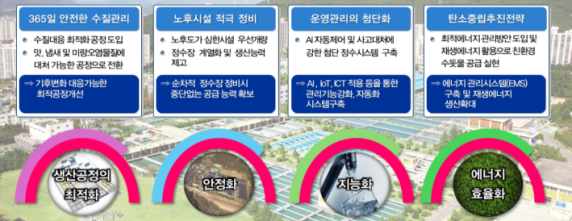
The modernization project goes beyond simple facility improvements. An AI-based water treatment plant operation system will be introduced to analyze the raw water quality and process data in real-time. This will establish a proactive response system capable of detecting anomalies at an early stage.
Through these efforts, it is expected to enhance response capability to water quality incidents, increase operational efficiency, and lay the groundwork for energy savings and carbon neutrality. As emphasized by Mayor Park Hyung-jun, this will become a key infrastructure project that transforms Busan's water management system into a future-oriented model.
Conclusion | Building a Long-Term Safety Net for High-Quality Tap Water
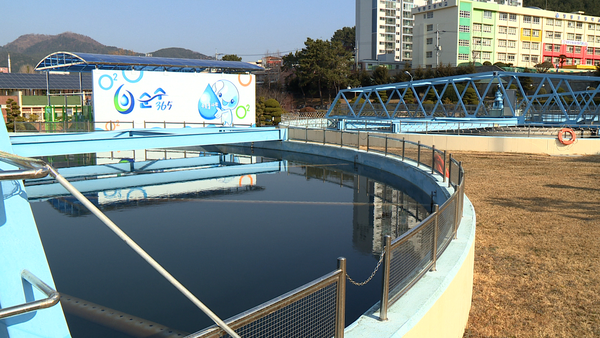
The modernization project of Busan's aging water treatment plants aims for a stable supply of high-quality tap water over the next 30 years.
The combination of advanced water treatment technology and smart operational systems is expected to enhance citizens' trust and increase the city's competitiveness.
This project is anticipated to lay an important foundation for Busan to grow into a 'Smart Water City.'
#BusanWaterworksHeadquarters, #AgingWaterTreatmentPlantModernization, #DeoksanWaterPlant, #HwamyungWaterPlant, #MyeongjangWaterPlant, #BeomeosaWaterPlant, #AdvancedWaterTreatment, #MembraneFiltrationTechnology, #HighQualityTapWater, #BusanTapWater, #SmartWaterCity, #BusanWaterManagement, #NakdongRiverWaterQuality, #PerfluoroCompounds, #ClimateChangeResponse, #BusanSOC, #BusanInfrastructure, #BusanUrbanPolicy, #BusanSafety, #TapWaterSafety, #BusanFutureCity, #BusanEnvironment, #WaterManagementPolicy, #BusanNews, #BusanCurrentIssues
Frequently Asked Questions (FAQ)
Q. Why is Busan City promoting the modernization of aging water treatment plants?
Busan City is promoting the modernization of aging water treatment plants to resolve safety and water quality issues.
Many of Busan's water treatment plants have been in operation for over 40 years, leading to significant aging of facilities. The fluctuation of raw water quality from the Nakdong River is worsening due to climate change and trace contaminants (PFAS), leading to limitations in existing water treatment methods. Therefore, Busan City has identified the need for a fundamental transformation and long-term improvement to provide safe and reliable drinking water, thus launching the modernization project.
Q. What technologies are included in the advanced water treatment process?
It is a process that adds membrane filtration technologies (MF·UF·NF·RO) to existing advanced water treatment.
The advanced water treatment process integrates various membrane filtration technologies with existing advanced water treatment methods. It effectively removes trace harmful substances and dissolved and non-degradable pollutants, ensuring stable tap water quality despite fluctuations in raw water quality.
Q. How will the five-stage cycle maintenance method be conducted?
It will be carried out by sequentially refurbishing circulation water treatment plants and each water treatment plant in five stages.
A five-stage cycle maintenance strategy is implemented to prevent disruptions in tap water supply during the reconstruction of water treatment plants. Initially, circulation water treatment plants using industrial water will be operated, followed by the refurbishment of Hwamyung Water Treatment Plant, Beomeosa Water Treatment Plant, Deoksan Water Treatment Plant, and Myeongjang Water Treatment Plant in order. During this period, maintaining a stable water supply through the simultaneous utilization of nearby water treatment plants and circulation water treatment plants is essential.
Q. What are the main technological efforts for expanding the smart water city?
Real-time water quality data analysis and anomaly detection using an AI-based operational system.
An AI-based water treatment plant operational system will be introduced for real-time monitoring of raw water quality and process data, enabling the early detection of anomalies. This will enhance response capabilities for water quality incidents, improve operational efficiency, promote energy savings, and support carbon neutrality. Such smart management technologies will become key infrastructure for the future-oriented transformation of Busan's water management system.
Q. What is the ultimate goal and expected outcome of this project?
To ensure a stable supply of high-quality tap water by 2050 and realize Busan as a smart water city.
The project to modernize Busan's aging water treatment plants focuses on stably providing high-quality tap water to citizens over 30 years. The combination of advanced water treatment technology and smart operational systems is expected to build trust in tap water and enhance the city's competitiveness. Additionally, Busan is expected to establish a cutting-edge water management system through this project, laying the foundation for growth as a 'Smart Water City.'
