Table of Contents
- Correlation between Population Inflow and New Housing Supply
- Population Bounce Back in Busan Jin-gu: The Critical Effect of Large-Scale Redevelopment
- Busan Dong-gu: The Only City Where Youth Population Increased Among Regions Experiencing Population Decline
- Daegu Jung-gu: Reasons for Holding the Nation's Highest Net Inflow Rate for Three Consecutive Years
- The Failure of Yeongdo-gu: A Forewarning of Population Extinction
- Conclusion: Urban Redevelopment and Reconstruction Are the Solutions to Population Issues
- Frequently Asked Questions (FAQ)
Correlation between Population Inflow and New Housing Supply
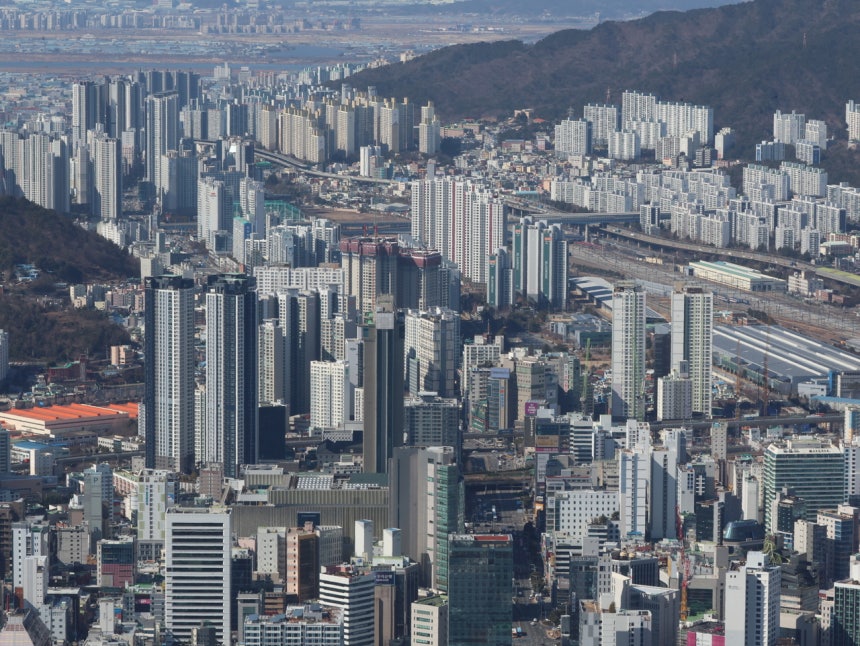
A common trend observed in the urban areas of Busan and Daegu is that large-scale redevelopment and reconstruction promote population inflow.
In particular, the areas of Jin-gu in Busan, Dong-gu in Busan, and Jung-gu in Daegu have actively supplied new apartments while extensively rehabilitating older neighborhoods. As a result, there has been a significant inflow of young people and families, resulting in a revitalization of the urban population structure.
In contrast, Yeongdo-gu, which has failed in urban renewal, is experiencing accelerated population decline and is currently facing a crisis of virtual population extinction.
Population Bounce Back in Busan Jin-gu: The Critical Effect of Large-Scale Redevelopment
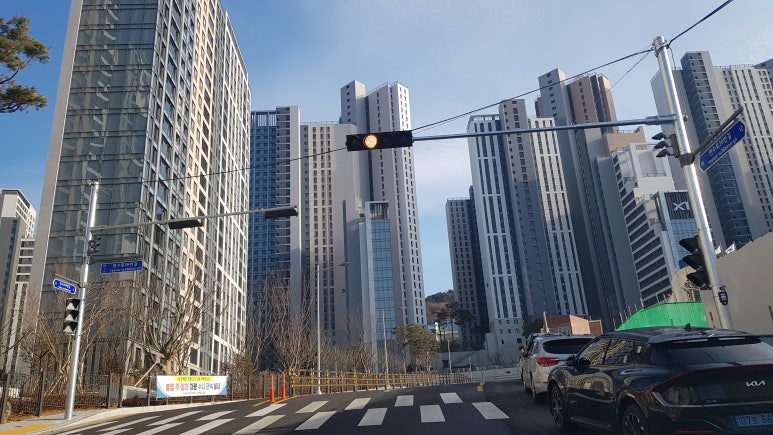
The population of Busan Jin-gu decreased to 353,159 in 2021, but has recently increased by 12,229 over the past four years, showing a positive change.
The center of this upward trend is the large-scale redevelopment occurring in the areas of Yangjeong, Choeup, Yeonje, and Jeonpo.
Excellent accessibility to Seomyeon, a close living environment to Busan Citizens' Park, and improvements in transportation, education, and commercial facilities have enhanced the attractiveness of this area.
As a result, it is noteworthy that the youth population ratio reaches 29.1%, the highest in Busan.
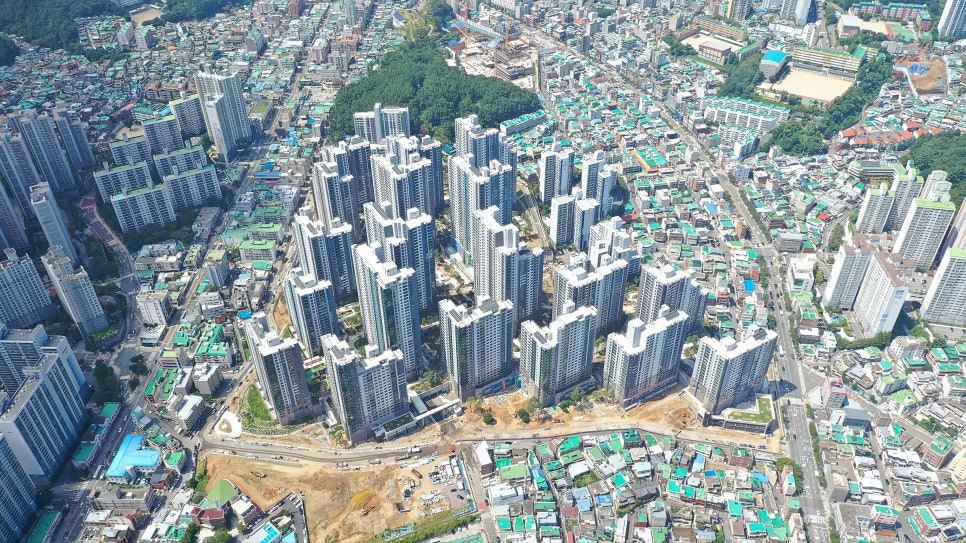
Notably, the increased supply of new apartments has led to the maintenance of the school-age population, enhancing the stability of local schools. It can be said that redevelopment has solidified the educational environment.
Busan Dong-gu: The Only City Where Youth Population Increased Among Regions Experiencing Population Decline
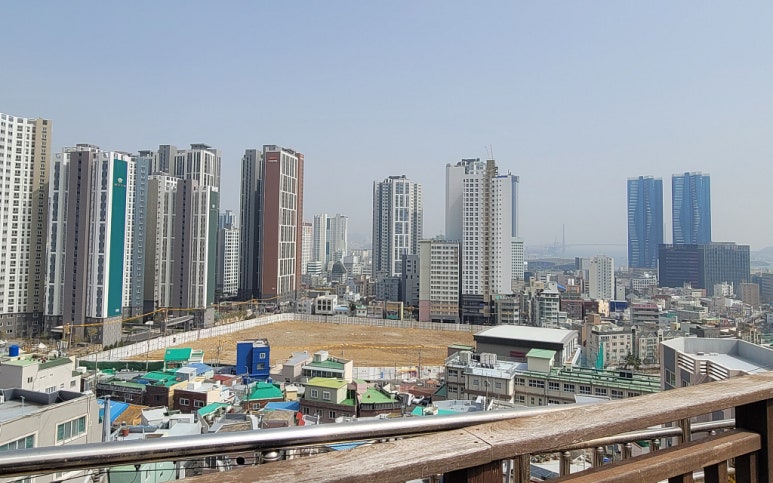
Busan Dong-gu is the only region among the 89 areas experiencing population decline that has seen a net inflow of youth, achieving an increase of 1,436 people.
This unusual result can be attributed to several factors. First, redevelopment in Choryang and Beomeo-dong is ongoing, with new apartment supplies being provided. Additionally, issues of slum decay are being addressed through the management of vacant homes and urban regeneration. Furthermore, young policies such as entrepreneurship and housing support are being strengthened, and excellent transportation accessibility with Busan Station and the subway and bus systems plays a significant role.
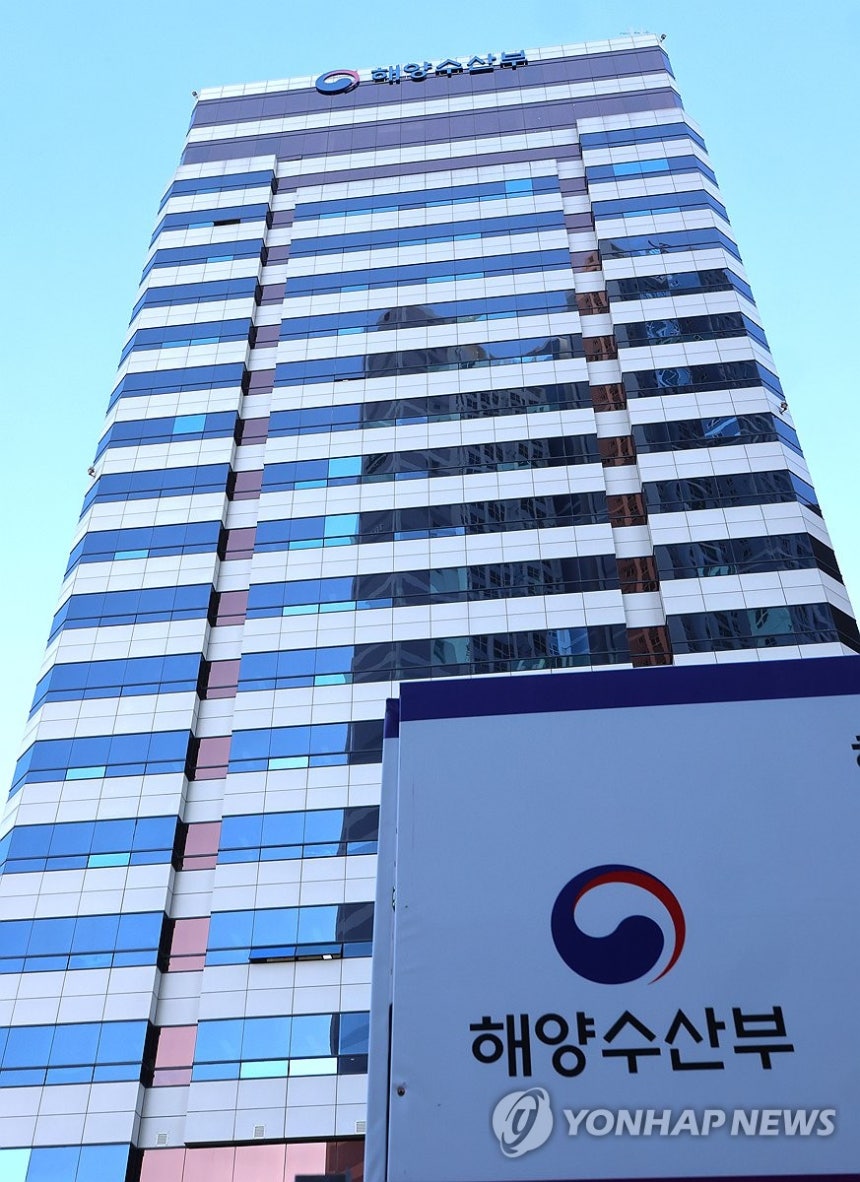
Improvements in the residential environment, new housing supply, and enhanced accessibility to infrastructure have made Dong-gu a unique "urban recovery case" attracting youth.
This redevelopment proves that it is not just about the construction of new buildings but also a crucial method for restoring the demographic structure and economic vitality of the city.
With ongoing redevelopment and plans for relocation of the Ministry of Oceans and Fisheries and shipping companies, Busan Dong-gu has significant growth potential in the future.
Daegu Jung-gu: Reasons for Holding the Nation's Highest Net Inflow Rate for Three Consecutive Years

Daegu Jung-gu has achieved the highest net inflow rate among basic administrative districts for three consecutive years from 2022 to 2024, attaining 9.2%.
The characteristics of population movement in this area are similar to those in Busan. In particular, individuals in their 20s and 30s make up 23.6% and 24.9% of the incoming population, respectively.
The main reason for relocation is housing, accounting for an impressive 50.8%, which shows the highest proportion. Active redevelopment and reconstruction are taking place, and the region's appeal as a cultural and transportation hub also plays a significant role.
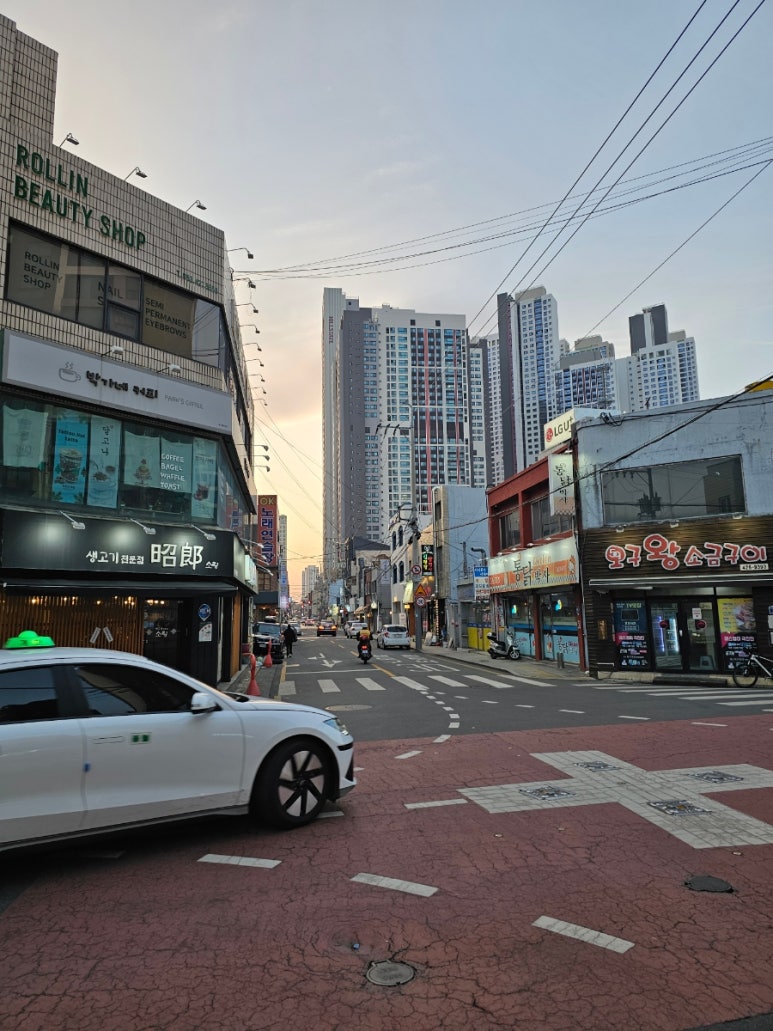
As urban regeneration and large-scale housing supply occurs, young people have chosen new places to live, resulting in an increase of about 17,000 people in two years. In Jung-gu, the supply of new apartments is promoting the influx of young people and rejuvenating the local community.
The Failure of Yeongdo-gu: A Forewarning of Population Extinction

Unlike Busan Jin-gu and Dong-gu, Yeongdo-gu has not undergone large-scale redevelopment, struggling with urban rebuilding. This has led to continuous population decline. The Yeongdo New Town promotion district project initiated in the early 2010s has been canceled except for Zone 5, which has made it impossible to improve the aging residential areas.
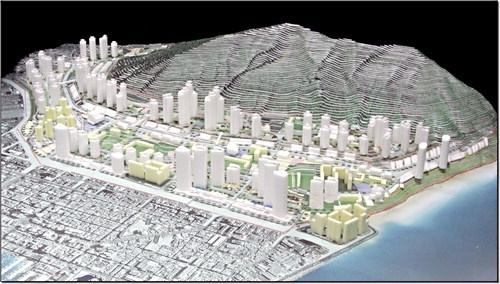
Lack of living infrastructure
Aging residential areas left unattended
Weak proximity for living and working
Absence of new supply

The exodus of the youth leads to a decline in the school-age population, which in turn leads to economic stagnation in the region. Ultimately, this situation creates a vicious cycle that accelerates population extinction.
In particular, the case of Yeongdo-gu clearly reveals that the lack of new supply in urban areas is the main cause of urban extinction.
Conclusion: Urban Redevelopment and Reconstruction Are the Solutions to Population Issues

A clear commonality can be observed from the cases of the three regions. Firstly, population growth tends to occur only in cities where new apartments are supplied. Secondly, the younger generation prefers new apartments in urban areas that are close to transportation, jobs, and living amenities rather than old residential spaces.
Thirdly, when population inflow occurs, the school-age population is maintained, leading to the revitalization of education, commercial areas, and the local economy. In contrast, areas without supply can face rapid population decline and extinction risks, as seen in Yeongdo-gu.
In conclusion, continuous housing supply through urban redevelopment and reconstruction is essential for the survival of large cities in the provinces.
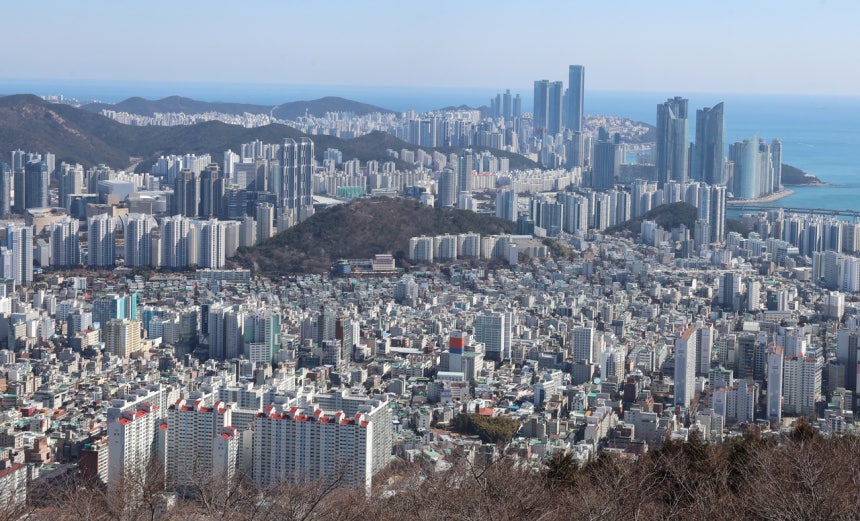
Busan is currently facing a continuous population decline in Haeundae, economic stagnation in western Busan, and increasing extinction risks in Yeongdo-gu. To address these issues, it has now become an essential task to expand the successful redevelopment models from Jin-gu and Dong-gu in Busan.
#BusanRedevelopment, #BusanNewApartments, #BusanPopulationInflow, #BusanJinGu, #BusanDongGu, #DaeguJungGu, #UrbanRegeneration, #UrbanMaintenanceProjects, #RedevelopmentReconstruction, #BusanRealEstate, #DaeguRealEstate, #YouthPopulationInflow, #SchoolAgePopulationMaintenance, #UrbanHighDensityDevelopment, #BusanUrbanSupply, #YeongdoGuPopulationDecline, #BusanPopulationChange, #BusanHousingTrends, #UrbanExtinctionRisk, #BusanMaintenanceProjects, #NewLargeComplexes, #ChoeupRedevelopment, #YangjeongRedevelopment, #ChoryangRedevelopment, #BeomeoDongRedevelopment, #UrbanCompetitiveness, #PopulationPolicy, #BusanUrbanFuture, #UrbanActivation, #HousingEnvironmentImprovement
Frequently Asked Questions (FAQ)
Q. What are the main reasons for the increase in population inflow in the urban areas of Busan and Daegu?
Large-scale redevelopment and reconstruction have actively supplied new apartments, facilitating the inflow of youth and family units.
In the urban areas of Busan and Daegu, large-scale redevelopment and reconstruction projects targeting aging neighborhoods are being actively carried out. Through such redevelopment, the mass supply of new apartments improves the living environment, enhancing transportation, education, and commercial facilities. As a result, there are positive effects of increased population, including youth and family units, revitalizing the demographic structure within the city.
Q. How has the population of Busan Jin-gu changed, and what factors have influenced it?
The population of Busan Jin-gu has increased by 12,229 over the past four years, attributed to large-scale redevelopment and improvements in living environments.
The population of Busan Jin-gu changed from 353,159 in 2021 to an increase of 12,229 over the past four years. During this process, large-scale redevelopment has taken place in areas like Yangjeong, Choeup, Yeonje, and Jeonpo, and the accessibility to Seomyeon and Busan Citizens’ Park, as well as improvements in transportation, education, and commercial facilities, have contributed to the population inflow. In particular, the youth population ratio recorded the highest level in Busan at 29.1%.
Q. What factors have contributed to Busan Dong-gu's success in attracting youth population inflow?
Redevelopment, urban regeneration, strengthened youth policies, and excellent transportation accessibility have driven net youth inflow.
Busan Dong-gu has been actively supplying new apartments through the redevelopment of Choryang and Beomeo-dong, while issues of slum decay are being addressed through urban regeneration and vacant house management. Additionally, strengthened youth-oriented policies such as entrepreneurship support and housing assistance are in progress, significantly influenced by the excellent transportation infrastructure connecting Busan Station, subway, and bus facilities for youth residence choices. Consequently, Dong-gu has emerged as the only area in Busan with a net increase in youth population.
Q. What is the background of Daegu Jung-gu achieving the highest net inflow rate?
An increase in new housing supply and the appeal of the region as a cultural and transportation hub have attracted youth inflow.
Daegu Jung-gu has recorded the highest net inflow rate for three consecutive years from 2022, particularly capturing over half of the incoming population among young people in their 20s and 30s. This is a result of active redevelopment and reconstruction leading to the expansion of new apartment supplies, along with the region's appeal as a well-equipped cultural and transportation hub thriving in urban areas. The supply of new housing is inducing choices for the youth population, contributing to local vitality redemption.
Q. Why is Yeongdo-gu facing population decline and extinction risks?
Failure to implement large-scale redevelopment, neglect of aging residential areas, and lack of living infrastructure accelerate population decline.
Unlike Busan Jin-gu or Dong-gu, Yeongdo-gu has not properly conducted large-scale redevelopment, leading to neglected aging residential areas and a lack of living infrastructure. The majority of the Yeongdo New Town project initiated in the early 2010s has been canceled, thereby halting the improvement of the living environment, resulting in the continuous outflow of population, including youth. This phenomenon leads to a decrease in the school-age population and economic stagnation, deepening the risks of population extinction.
Q. Why is urban redevelopment and reconstruction considered a solution to population issues?
New apartment supplies promote the maintenance of youth and school-age populations, stimulating local economic revitalization and population growth.
Continuous housing supply through urban redevelopment and reconstruction provides improvements in living environments for young people, ensuring proximity to transportation, jobs, and lifestyle conveniences. This maintains both youth and school-age populations, leading to the activation of education and commercial sectors, consequently invigorating the local economy. On the contrary, regions without supply face population decline and extinction risks, making redevelopment and reconstruction a crucial strategy for the survival of large cities in the provinces.