Table of Contents
Why is the North Port Transfer Center Controversial?

The design of the North Port Transfer Center near Busan Station has significantly changed from its initial revealed rendering, leading to increased criticism.
The initial announcement presented a design featuring a modern curtain wall facade and a sky bridge, creating high expectations for a landmark transfer center that embodied the openness and symbolism of the North Port. However, the current progress is far from that expectation.
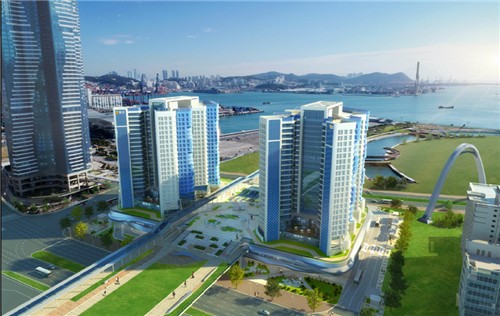
Recently, a corruption incident involving a local construction company has come into focus. Alongside this, the building approved after repeated design changes is criticized for being a two-block concrete structure lacking originality, resembling office buildings instead.
There are growing accusations that the rushed design negatively affects Busan's image, and it has also been highlighted that a change of use to office buildings is already in progress through 2023 construction review.

Issues with the 3.3m Height Difference in the Pedestrian Path
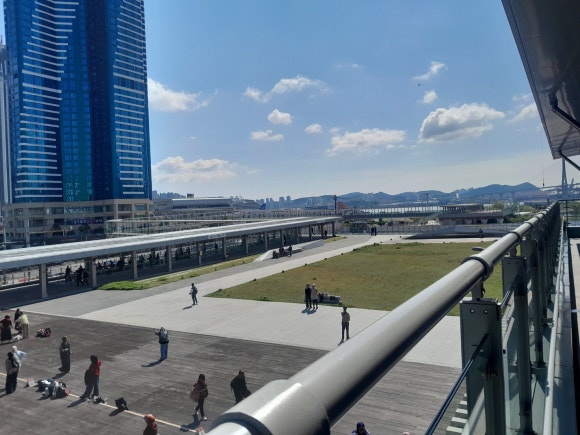
A recently revealed serious issue relates to the height difference in the public pedestrian pathway connecting Busan Station, the transfer center, and the North Port waterfront park. The pedestrian pathway segment leading to the transfer center is designed to be 3.3m higher than before, which has been pointed out as a problem.
This height difference is not merely a slope issue but leads to various functional losses. Firstly, the view rights looking from Busan Station towards the North Port will be lost. Secondly, the inconvenience for pedestrians will increase. Lastly, it could compromise the core value of being a public pedestrian path.
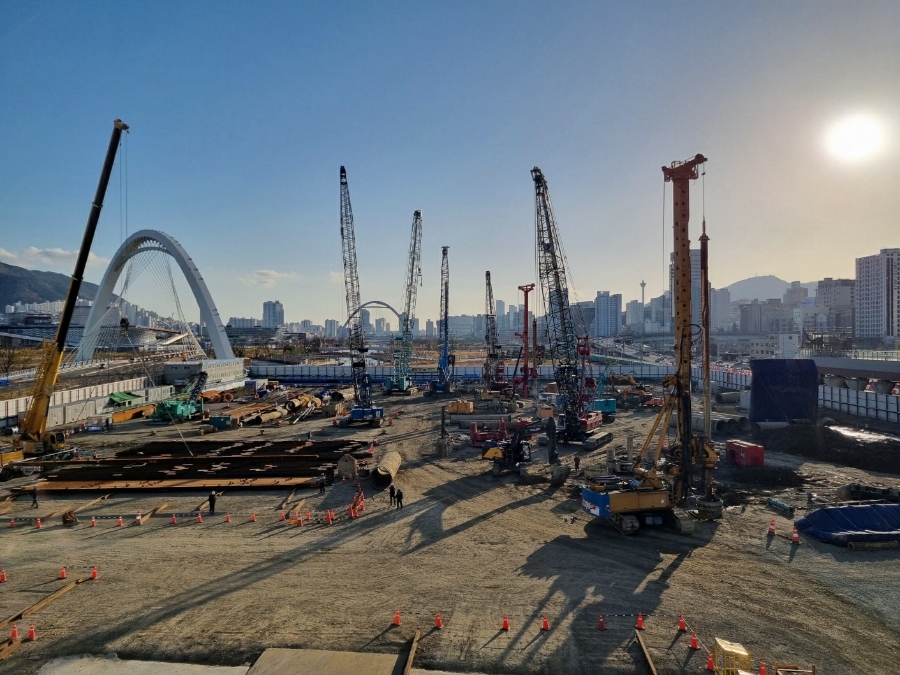
The developers claim that they can solve the problem by installing a sloped ramp and elevators. However, this measure does not align with the original goal of the district unit plan, which aimed to maximize smooth connectivity and openness. The Busan Port Authority has pointed out that this design does not meet the planning standards and has requested modifications.
Potential Violation of the District Unit Plan

The North Port district unit plan specifies that the public pedestrian path deck and the transfer center's rooftop plaza should be designed at the same height concerning the C-1 site transfer center. This design assures that there are no height differences, ensuring smooth movement for visitors.
Arriving at Busan Station, people would enjoy the magnificent views of the North Port and Busan Harbor Bridge, providing a special experience as they head toward the North Port redevelopment area. Such elements play an important role in enhancing the city's allure.

The current plan, which features a 3.3m height difference, poses a conflict with the guidelines. The Busan Port Authority deems this as a "loss of pedestrian path functionality" and has requested the developer to review the design.
This design raises concerns about undermining the publicness, visibility, and openness of the North Port redevelopment, possibly negatively impacting the overall plan's consistency. As a result, criticism is growing, leading to questions about the qualifications of the contractor, who fails to adhere even to basic guidelines that should be easily verifiable by the general public.
Controversy over Changes to the Project Plan
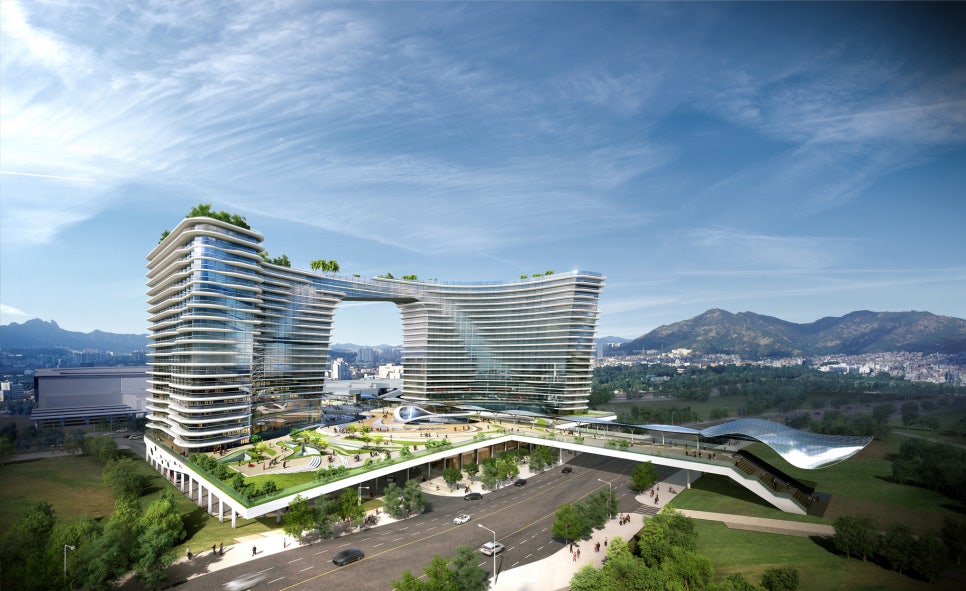
The content of the rendering displayed in the initial proposal included a curtain wall facade, a sky bridge, and a landmark-style open structure. This design reflected the symbolism suitable for animportant location near Busan Station.
However, the actual architectural permit drawings included two somewhat ordinary concrete box-type buildings. Changes of this nature have been criticized for not aligning well with the surrounding urban landscape and the goals of the North Port redevelopment.
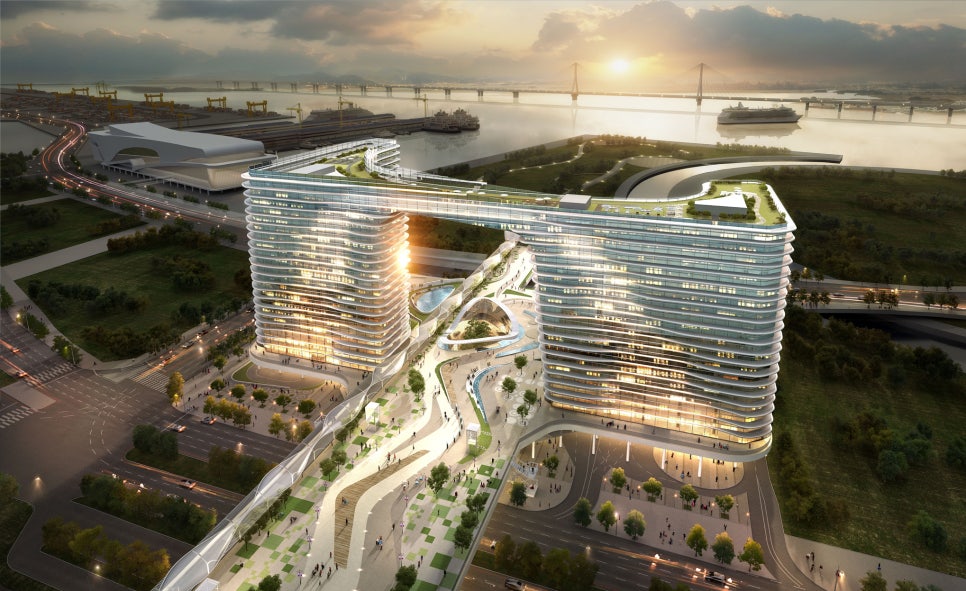
Personally, I believe that the extent of these changes far exceeds a typical level of modification and is difficult to comprehend. According to standard administrative procedures, it may be warranted to reassess the appropriateness of re-approval or revoking the status of priority negotiators and developers.
It is necessary to discuss the perception that the extent and content of changes are substantial, and legal measures should be taken to ensure that projects proceed according to the proposals submitted in the initial bids at other construction sites in the future. The current situation feels close to being a 'fraud'.
Busan's Gateway: A Turning Point
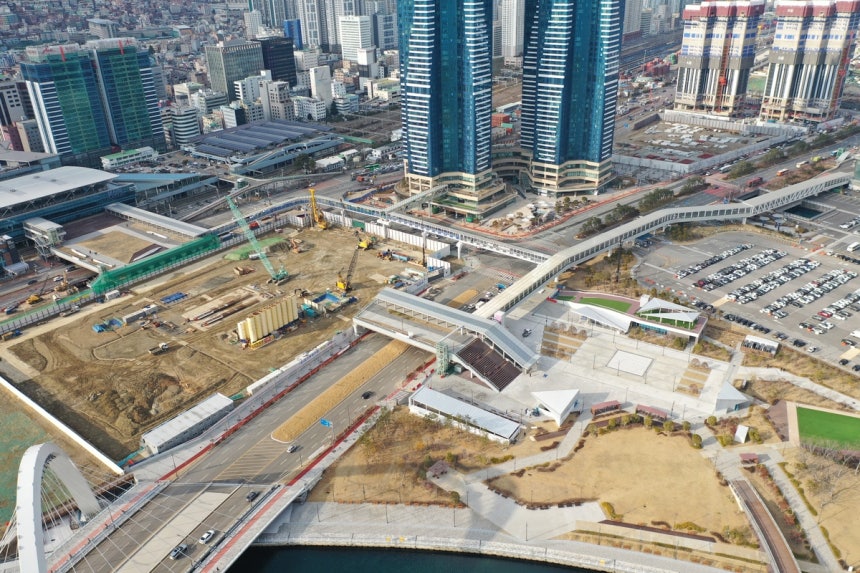
The area surrounding Busan Station and North Port should become the symbolic urban landscape and tourism hub of Busan in the future.
If the transfer center merely transforms into a building at the level of office spaces, it could result in a situation where the public pedestrian functions are compromised upon completion.
This poses a significant risk not just as a design issue but could lead to long-term losses in urban competitiveness.
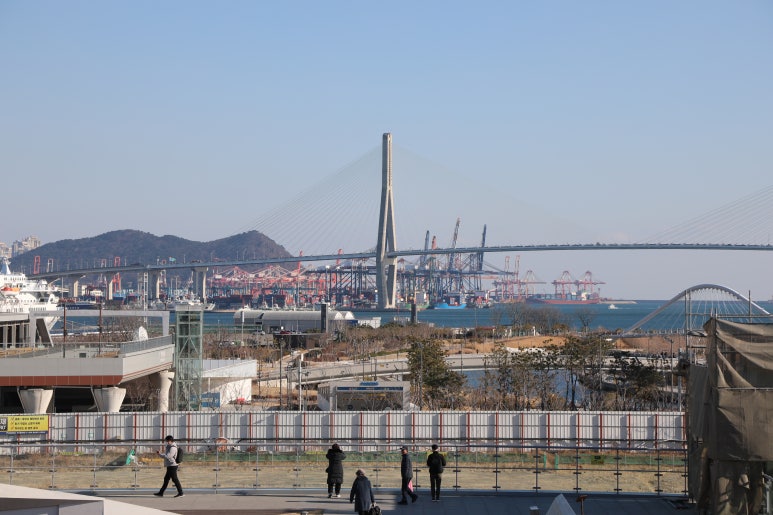
What is urgently required now includes the following:
A comprehensive review of the design is essential, and the view rights and connectivity of the public pedestrian pathways must be restored. It is also crucial to adhere to the intentions of the district unit plan and ensure transparency in the process of changes to the project plan.
Deciding how to preserve Busan's gateway is a matter of great importance. If appropriate adjustments and reviews are not made now, Busan may become a case of urban failure that future generations will regret. Moreover, the construction company will likely face criticism for generations to come.
If you're unable, it's best to withdraw from the project now.
#NorthPortTransferCenter, #BusanStationTransferCenter, #BusanStationDevelopmentControversy, #BusanNorthPort, #NorthPortRedevelopment, #DesignChangeControversy, #TransferCenterDesign, #BusanViewRights, #BusanPortAuthority, #BusanUrbanPlanning, #ViolationOfDistrictUnitPlan, #BusanStationPedestrianPath, #BusanLandscapeIssues, #LocalConstructionControversy, #BusanGatewayFacilities, #BusanCityBranding, #BusanPortViewRights, #BusanStationProjectChanges, #MajorChangesToTransferCenter, #BusanAdministrativeProcedures, #BusanSkyBridge, #BusanTransitHub, #BusanUrbanLandscape, #BusanRedevelopmentIssues, #BusanCriticismArticles, #UrbanCompetitiveness, #BusanStationInclinedDesign, #NorthPortPublicPedestrianPath, #BusanAdministrationIssues, #BusanIssues
Frequently Asked Questions (FAQ)
Q. Why is there a difference between the initial rendering of the Busan Station North Port Transfer Center and the current design?
The initial rendering featured a modern landmark design, whereas the current plan has been changed to a mundane office building form.
The initially public rendering of the North Port Transfer Center featured modern designs such as a curtain wall facade and a sky bridge, emphasizing the symbol of the North Port. However, due to subsequent repeated design changes and project plan fluctuations, the approved structure has changed to a two-block office building with a lack of originality. This has led to significant discrepancies from the initial expectations, and criticism within the community is growing.
Q. What is the issue with the 3.3m height difference in the public pedestrian path of the Busan Station Transfer Center?
The public pedestrian path of the transfer center has a height difference of 3.3m compared to the original plan, causing inconvenience for walking and loss of view rights.
The public pedestrian path section connecting Busan Station to the transfer center and North Port waterfront park has been designed 3.3m higher than initially planned, leading to the loss of scenic views of the North Port and making pedestrian movement inconvenient. The Busan Port Authority has requested design modifications, citing that this height difference undermines the functionality of the public pedestrian path.
Q. What issues are highlighted in the controversy over changes to the project plan?
Changes in design and use violate the district unit plan and show significant differences from the initial proposal, leading to controversy.
During the architectural approval process of the transfer center, the use of the buildings changed to office buildings, diverging from the initial proposal, and excessive changes in design were made. These changes do not align with the principles of a smooth public pedestrian path as outlined in the district unit plan, raising questions about the qualifications of the developer and the suitability of the contract. The controversy extends beyond design issues to legal and administrative concerns.
Q. How is the Busan Port Authority responding to the design of the North Port Transfer Center?
The Busan Port Authority has requested modifications and a review, arguing that the design does not meet planning standards.
The Busan Port Authority has determined that the current design does not meet the core requirements of a smooth public pedestrian path and securing view rights as outlined in the district unit plan and has strongly demanded modifications and a review from the developers. They warn that the design raises concerns about undermining the publicness and openness of the North Port redevelopment, potentially lowering urban competitiveness.
Q. What impact does the North Port Transfer Center controversy have on the city of Busan?
Design changes and height differences in pedestrian paths are damaging Busan's urban image and causing long-term losses of competitiveness.
The area around Busan Station and North Port should establish itself as a significant urban landscape and tourism hub for Busan's future. However, if the transfer center is reduced to an ordinary building at the level of office spaces and the pedestrian path functionality is undermined, this would greatly damage Busan's symbolism, public nature, and openness. This could lead to a decline in urban image and competitiveness, leaving a negative legacy for future generations.
