Table of Contents
- The Dawn of an Innovative Era of Tooth Regeneration: The Challenge of Toregem Biopharma
- Core Mechanism of TRG035: USAG-1 Neutralizing Antibody Technology
- Latest Clinical Development Status and Regulatory Milestones for 2025
- Funding and IPO Outlook: Strategic Investment Attraction from Japan's Sovereign Wealth Fund
- Conclusion: Investment Attractiveness and Key Risk Summary of Toregem Biopharma
- Frequently Asked Questions (FAQ)
The Dawn of an Innovative Era of Tooth Regeneration: The Challenge of Toregem Biopharma
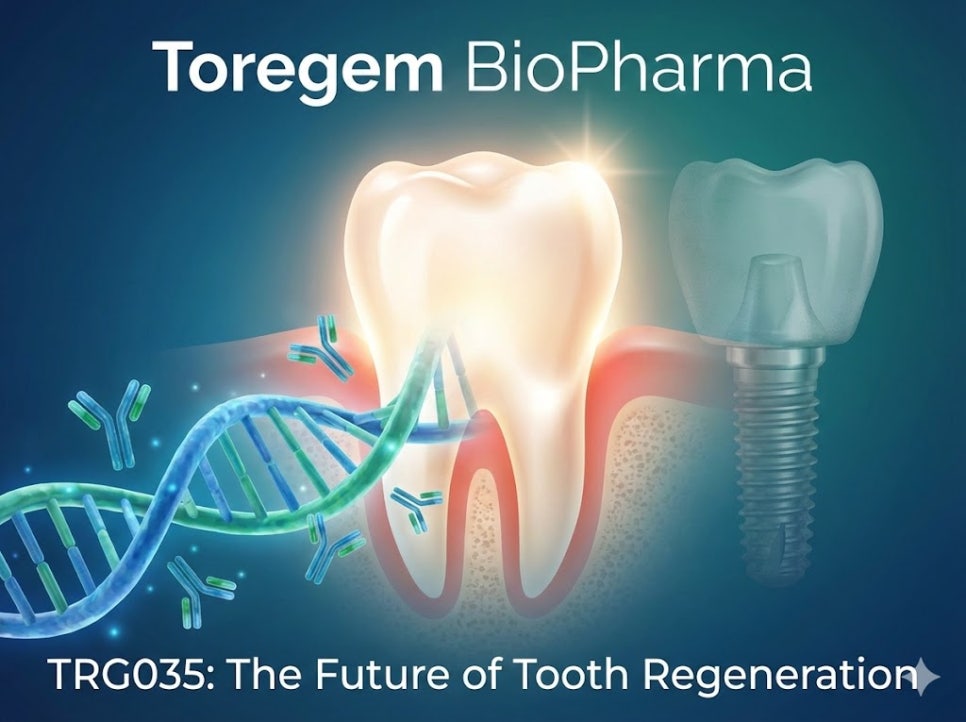
Human dentistry has relied for many years on prosthetic technologies that replace lost teeth with artificial structures. From ancient times to today's titanium implants, mechanical replacement methods have become standard.
However, Toregem Biopharma, established based on research from Kyoto University in Japan in 2020, is attempting a biological approach that completely changes this paradigm. The company is committed to the development of innovative technologies for tooth regeneration, and is expected to present a new turning point in dentistry in the near future.
Toregem Biopharma has developed the antibody drug TRG035, which makes it possible to regenerate human teeth, as the world's first. This drug will enter clinical stages in 2024, and is expected to set an innovative turning point in the field of regenerative dentistry.

In early 2024, I wrote an article about Toregem Biopharma's USAG-1 gene protein inhibitor drug. Subsequently, based on the latest data, I intend to deeply examine the company's technical reliability, clinical progress, key investment attraction, and future IPO outlook. Thanks to recent advances in AI technology, it has become much easier to gather relevant information and documents such as clinical outcome papers. Through this data, I expect to make richer and more reliable posts.
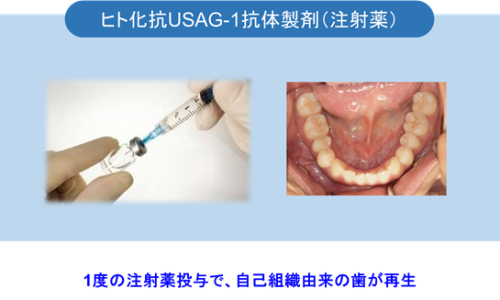
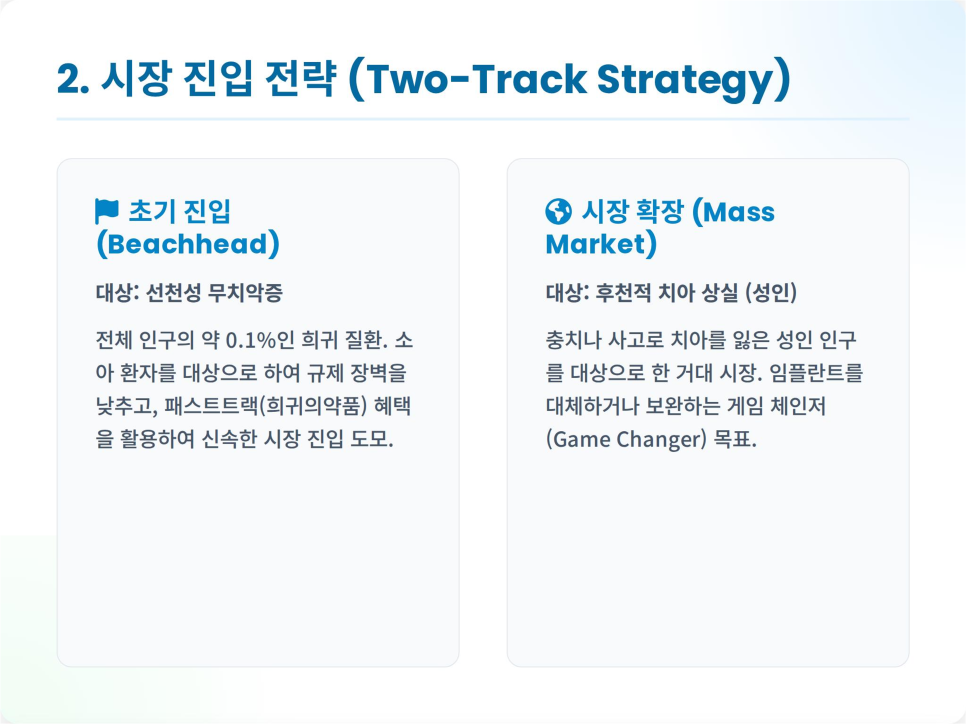
TRG035 is targeting the rare disease known as congenital agenesis of teeth as its initial market. Subsequently, it plans to pursue a dual strategy aimed at expanding into the larger market of adult tooth loss.
Core Mechanism of TRG035: USAG-1 Neutralizing Antibody Technology
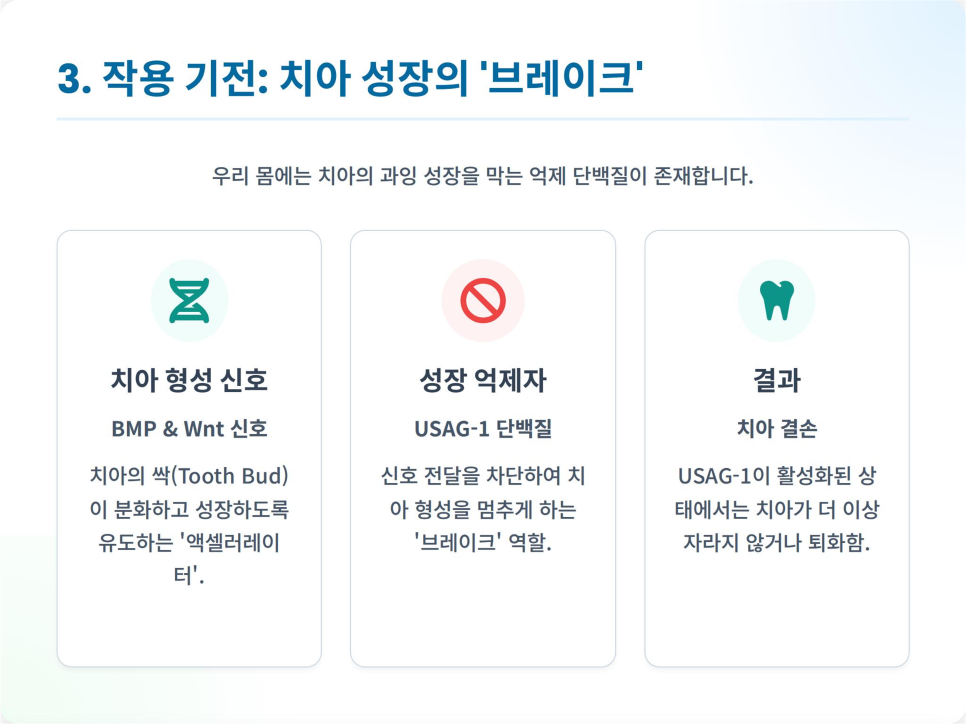
To properly understand the value of TRG035, Toregem Biopharma's main pipeline, it's essential to examine the molecular biological mechanism of action of the substance. By understanding this mechanism, we can gain clearer insights into the efficacy and potential of TRG035.
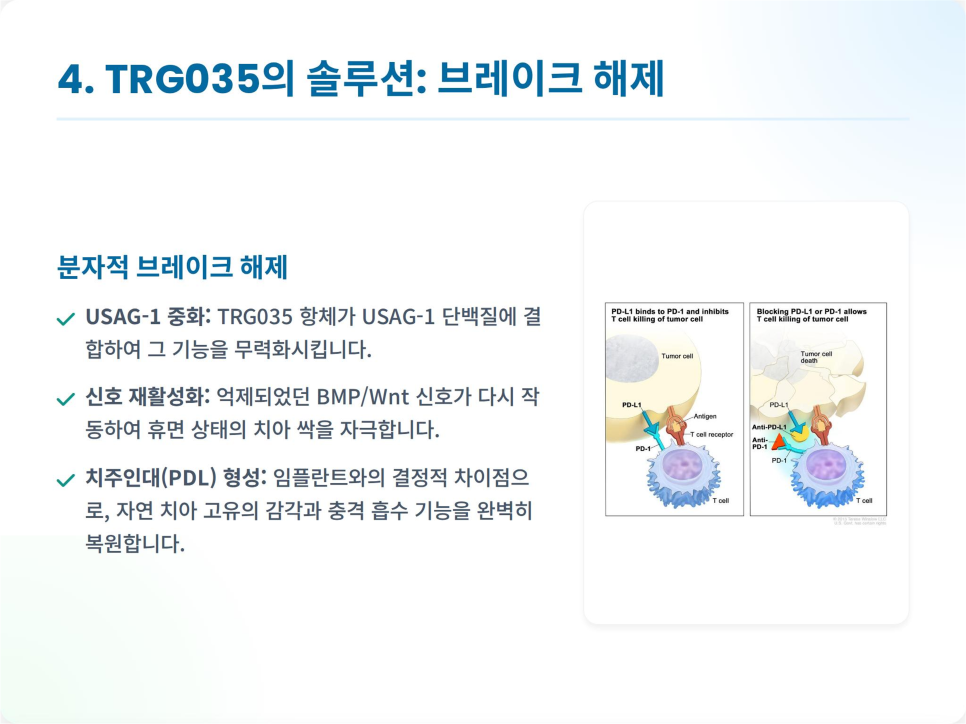
This drug works not by creating new teeth, but by removing the inhibitory factors of the inherent tooth development program within the body.
When examining the function of the USAG-1 protein, it's shown that the tooth formation process is promoted by bone morphogenetic proteins (BMP) and Wnt signaling pathways. Researchers at Kyoto University discovered that the USAG-1 (Uterine Sensitization Associated Gene-1) protein acts as an inhibitor that blocks these signaling pathways. The activation of USAG-1 results in the cessation or degeneration of tooth formation.
The mechanism of action of TRG035 is intriguing. TRG035 is a humanized monoclonal antibody that specifically binds to the USAG-1 protein, nullifying its function. When this antibody neutralizes USAG-1, the inhibited BMP and Wnt signals are reactivated. As a result, the dormant potential tooth buds are stimulated, allowing the developmental process to resume.
The advantages of natural tooth regeneration are considerable. This method can regenerate teeth using the patient's own cells without the need for external implants. Consequently, the regenerated teeth will have connections to nerves and blood vessels, forming perfect autologous tissues with periodontal ligaments that cannot be found in implants. This provides crucial distinctions giving natural teeth the ability to absorb shock and sensory functions. In preclinical stages, administering the antibody once to ferret models has confirmed that a "third tooth" can form normally.
Related theoretical content can be confirmed through previous postings.

Latest Clinical Development Status and Regulatory Milestones for 2025

Toregem Biopharma has achieved recognition as a clinical-stage biopharmaceutical company from the second half of 2024 through the end of 2025.
In September 2024, a phase 1 clinical trial evaluating the safety, tolerability, and pharmacokinetic profile of TRG035 began at Kyoto University Hospital, involving 30 healthy adult males aged 30 to 64. This clinical trial completed the main administration and observations around August 2025, and no serious adverse effects have been reported, creating expectations for entry into phase 2 trials.
This progress increases the future growth potential of Toregem Biopharma and is likely to have a positive impact on the company's growth trajectory. The upcoming success in clinical stages is being closely watched.
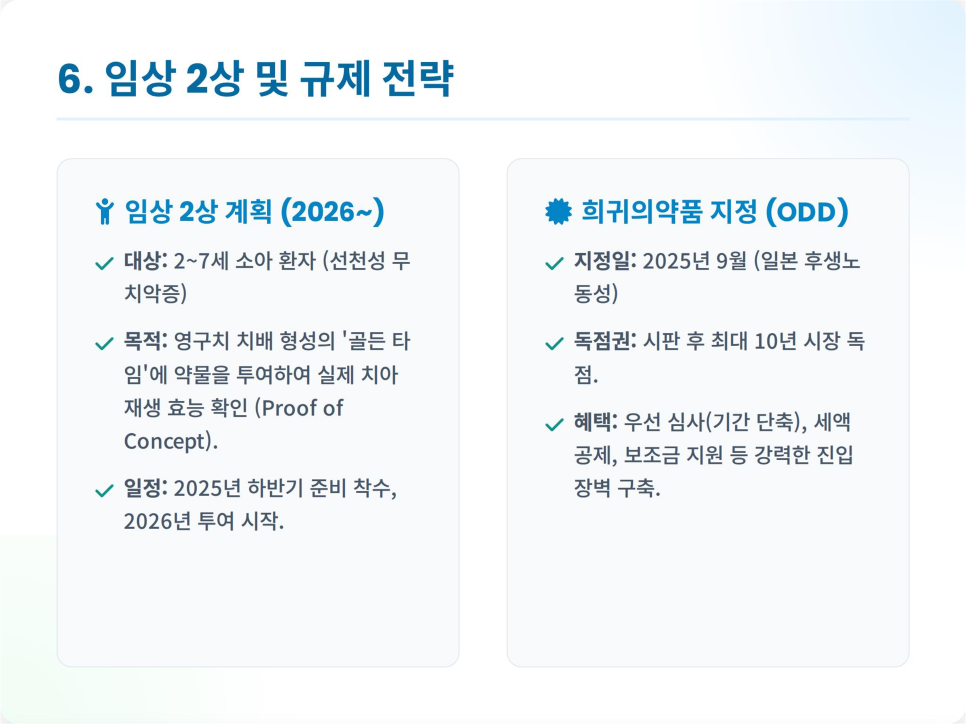
Phase 2 clinical trial plans (focusing on pediatric patients):
This phase 2 clinical trial will be conducted on pediatric patients aged 2 to 7 suffering from congenital agenesis of teeth or severe partial edentulism with six or more missing teeth. This period is critical for the formation of permanent teeth, known as the 'golden time', where the response to the drug is expected to be most active.
Preparations will begin in the second half of 2025, with patient recruitment and administration expected to commence in early 2026. The success of this stage will serve as an important validation confirming that teeth can regenerate in actual patients. We hope this research contributes to the field of tooth regeneration.

On September 29, 2025, Toregem Biopharma received designation from Japan's Ministry of Health, Labour and Welfare (MHLW) as an orphan drug for the treatment of 'severe congenital agenesis of teeth'. This designation is expected to significantly enhance the company's value.
Additionally, this designation offers benefits such as guaranteed market exclusivity for up to 10 years, expedited review periods for marketing authorization, tax deductions for research and development expenses, and government subsidy support. These factors are anticipated to positively influence the company's future growth.
Funding and IPO Outlook: Strategic Investment Attraction from Japan's Sovereign Wealth Fund
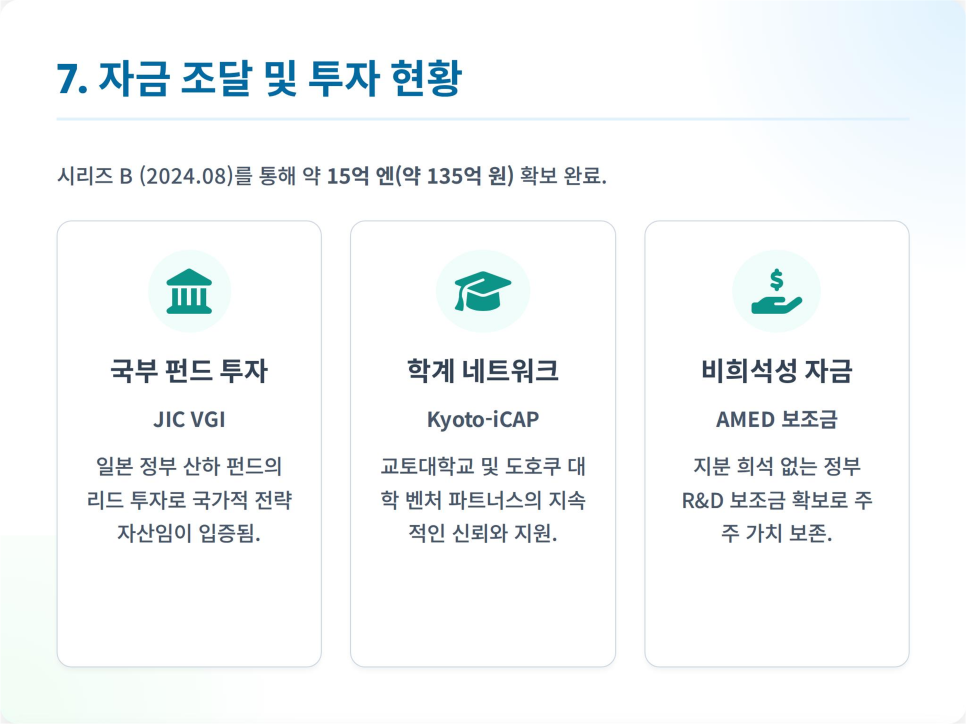
Toregem Biopharma has secured significant funding over 2024 and 2025, further strengthening financial stability for the successful progression of clinical development.
In August 2024, Toregem successfully completed a series B funding round totaling approximately 1.5 billion yen (approximately $13.5 million), which included a third-party allocation of new shares and subsidies from Japan's medical research and development agency, AMED. This has solidified the company's growth potential significantly.
The major investors in this investment round include JIC Venture Growth Investment (JIC VGI), a subsidiary of the Japan Investment Corporation (JIC), a sovereign wealth fund established by the Japanese government. The involvement of the sovereign wealth fund signifies that Toregem's technology is recognized as a national strategic asset that aligns with the Japanese government's 'Biotechnology Strategy 2030'. This is expected to provide high reliability for future financing efforts. Also participating in this funding were the Kyoto University dedicated fund (KYOTO-iCAP) and the open innovation specialized firm Gemsaki.
Among the participating companies in this funding are listed companies Future Venture Capital (which re-listed as AI Fusion Capital Group Corp after delisting) and Sanyo Trading, and the stock prices of these two companies have remained stable. If Toregem pushes for an IPO, directly buying its shares would be the best investment approach.
Toregem's strategic moves are likely to contribute positively to the expectation of continuous growth in the biotechnology sector.

Managing manufacturing risks through CDMO partnerships:
Rather than building a factory on its own, Toregem has decided to collaborate with WuXi Biologics, a global CDMO company headquartered in China. Under this agreement, the development of the cell line for TRG035 and the GMP production of clinical samples will be outsourced.
This strategy will help meet the standards of the US FDA and European EMA and provides advantages for smoother regulatory approval processes when entering global markets.
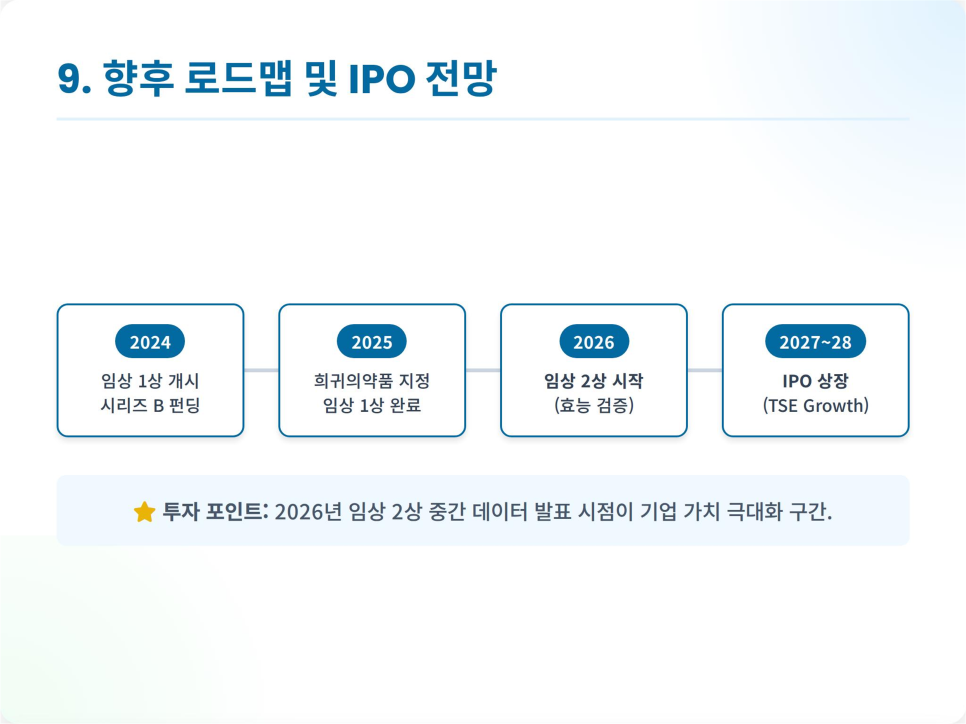
Analysis of IPO outlook:
Considering the ongoing clinical stages, Toregem Biopharma is likely to be listed on the Tokyo Stock Exchange (TSE) Growth Market during phase 2 clinical trials, projected between the second half of 2026 and the first half of 2028.
In addition, being selected for the J-Startup program led by the Japanese Ministry of Economy, Trade and Industry (METI) in March 2025 may facilitate favorable conditions in the listing review process. As phase 1 data is expected to be secured by the end of 2025, and phase 2 interim data is expected to be generated in 2026, the company's value is anticipated to greatly increase.
In particular, the innovative theme of 'the world's first tooth regeneration' is expected to gain considerable market attention, suggesting that Toregem Biopharma's future looks bright.
Conclusion: Investment Attractiveness and Key Risk Summary of Toregem Biopharma
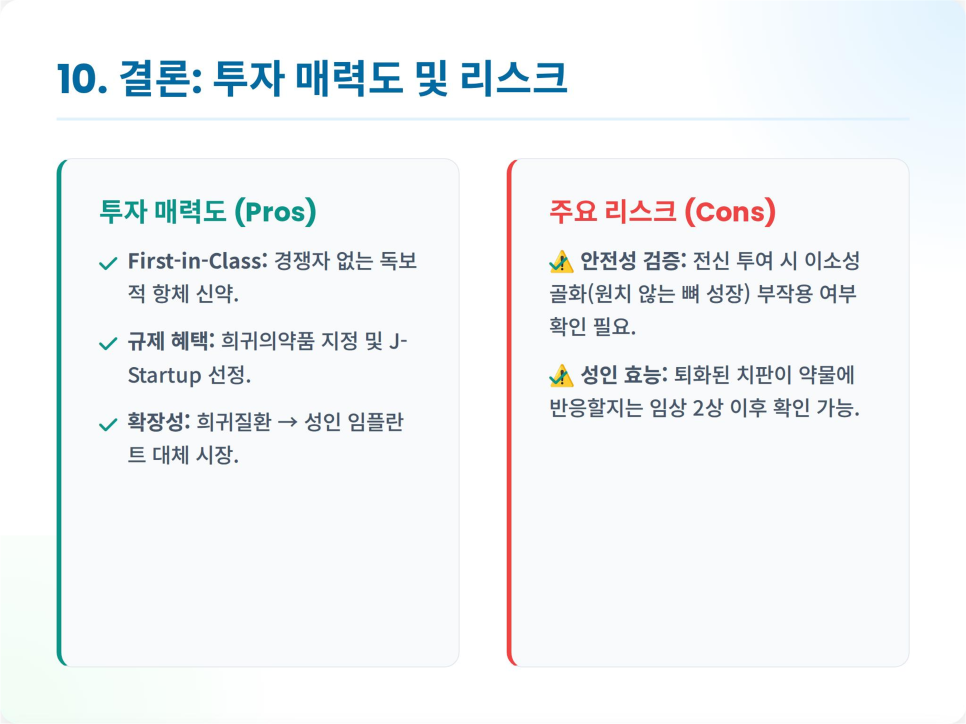
Toregem Biopharma has successfully navigated the 'Valley of Death' encountered during the foundational research phase over 2024 and 2025. The influx of government-supported funding like that from JIC, the entry into phase 1 clinical trials, and designation as an orphan drug demonstrate the company's technological capability and business growth well.
In particular, TRG035 is a first-in-class antibody drug with no competitors, boasting unique technological capabilities. Although this product is initially developed as a treatment for rare diseases, it possesses strong investment attractiveness through its future expansion into the adult implant replacement market. In this regard, Toregem Biopharma is expected to be a company with significant growth potential moving forward.
When investing, it's essential to keep in mind several significant risk factors. The first consideration should be safety issues. Since BMP/Wnt signaling spreads throughout various parts of the body, thorough verification of potential unwanted bone growth, i.e., heterotopic ossification, that could occur in kidneys or other organs must be conducted in the phase 1 clinical trials.
Moreover, unlike animal models, whether the degenerated dental plates in adults can respond to the drug is a key element for entry into the adult market. If there is a failure in the adult market, there is a risk that the company's value could be limited to that of a treatment for rare diseases. It's important to identify these risks in advance and develop an appropriate response strategy.
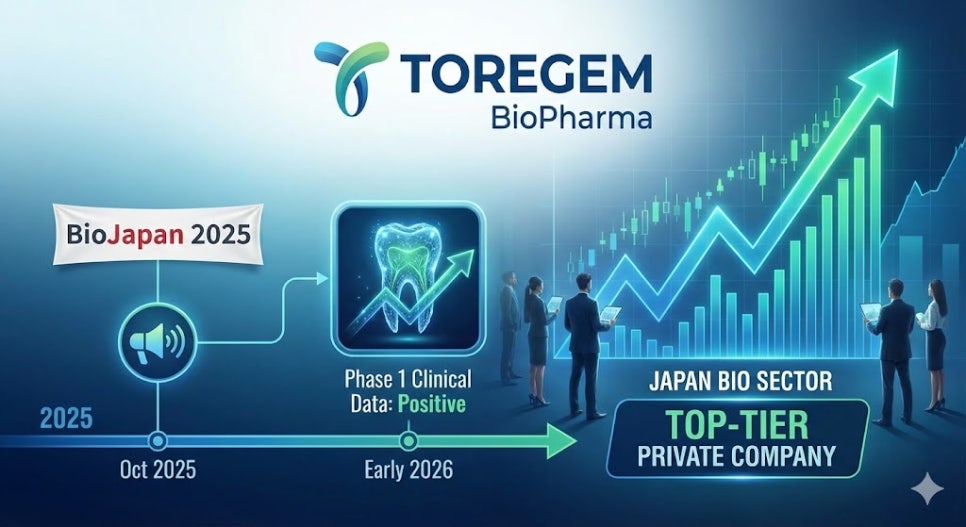
By the end of 2025 or beginning of 2026, if positive phase 1 clinical data is obtained, Toregem Biopharma could emerge as an important non-listed company in the Japanese biotechnology field. Therefore, investors should closely monitor future announcements.
#ToregemBiopharma, #TRG035, #toothregeneration, #newdrugsfortoothregeneration, #dentaltherapeutics, #biopharmaceuticalinvestment, #biopharmaceutical, #regenerativemedicine, #JapaneseBiotech, #USAG1, #orphan-drugs, #OrphanDrugDesignation, #JICVGI, #KyotoUniversity, #phase1clinicaltrials, #phase2clinicaltrials, #IPOoutlook, #nonlistedinvestment, #toothregenerationtechnology, #biopharma, #congenitalagenesisofteeth, #biologicaltoothregeneration, #BMPsignaling, #Wntsignaling, #WuXiBiologics, #CDMO, #thirdtooth, #biotechnology, #investmentanalysis, #bi sector
Frequently Asked Questions (FAQ)
Q. What is the mechanism of action of TRG035 developed by Toregem Biopharma?
TRG035 is an antibody that neutralizes the USAG-1 protein, thereby removing the inhibition of tooth development and promoting natural tooth regeneration.
TRG035 is a humanized monoclonal antibody that specifically binds to the USAG-1 protein, acting as an inhibitor in the tooth formation process to nullify its function. It reactivates the BMP and Wnt signaling pathways inhibited by USAG-1, allowing the inherent tooth development program to resume and facilitating natural tooth regeneration. This technology enables the complete regeneration of teeth with the patient's own cells without external implants, restoring the functions of nerves, blood vessels, and periodontal ligaments to mimic natural teeth.
Q. What stage are the clinical trials for TRG035 currently at and what are the future plans?
Phase 1 clinical trials have been underway since September 2024, with a plan for phase 2 clinical trials targeting pediatric patients starting in the second half of 2025.
The phase 1 clinical trial assessing the safety, tolerability, and pharmacokinetics of TRG035 began in September 2024 at Kyoto University Hospital, involving 30 adult males aged 30 to 64, completing major administration and observations by August 2025. No serious adverse effects have been reported, raising expectations for entry into phase 2 trials which will focus on pediatric patients with congenital agenesis of teeth and start preparations in the second half of 2025, with patient recruitment and administration anticipated in early 2026. Success in this phase will be an important milestone in demonstrating tooth regeneration efficacy.
Q. What are the implications and benefits of the orphan drug designation received by Toregem Biopharma?
'Severe congenital agenesis of teeth' has been designated by the Japanese Ministry of Health, Labour and Welfare as an orphan drug, securing market exclusivity and tax benefits.
On September 29, 2025, Toregem Biopharma's TRG035 was designated as an orphan drug for the treatment of severe congenital agenesis of teeth by the Japanese Ministry of Health, Labour and Welfare. This designation guarantees up to 10 years of market exclusivity, expedited review periods for marketing authorization, tax deductions for research and development expenses, and various national-level support, which will enhance the company's value and create a positive environment for the development and commercialization of treatments.
Q. What is the funding status of Toregem Biopharma and who are its major investors?
A series B funding round of approximately 1.5 billion yen was successfully secured in 2024, with major investors including Japan's sovereign wealth fund JIC and its subsidiaries.
In August 2024, Toregem completed a series B funding round totaling approximately 1.5 billion yen (about $13.5 million) which included a third-party allocation of new shares and subsidies from Japan's medical research and development agency AMED. Key investors include JIC Venture Growth Investment (JIC VGI), a subsidiary of the Japan Investment Corporation (JIC) established by the Japanese government, indicating that Toregem's technology and business align with Japan's national biotechnology strategy 2030. Other participating investors include the Kyoto University dedicated fund (KYOTO-iCAP), Gemsaki, and publicly listed companies Future Venture Capital and Sanyo Trading.
Q. What are the IPO prospects for Toregem Biopharma and when is its expected listing date?
An IPO on the Tokyo Stock Exchange growth market is expected between the second half of 2026 and the first half of 2028 during phase 2 clinical trials.
Based on the current clinical progress, Toregem Biopharma is likely to be listed on the Tokyo Stock Exchange (TSE) Growth Market between the second half of 2026 and the first half of 2028 during phase 2 clinical trials. The selection for the J-Startup program led by the Japanese Ministry of Economy, Trade and Industry (METI) in March 2025 may simplify the listing process. Notably, if phase 1 data is secured by the end of 2025, and phase 2 interim data is gathered in 2026, the company's value is expected to greatly increase, particularly attracting investor interest due to the attention-grabbing theme of 'the world's first tooth regeneration drug.'
Q. What are the major risks to consider when investing in Toregem Biopharma?
Safety verification and prospects for entering the adult market pose key risks - attention must be paid to potential side effects and the responsiveness of adult teeth to regeneration.
Since BMP/Wnt signals affect various tissues in the body, it is crucial to thoroughly verify potential adverse effects such as heterotopic ossification that may occur in the kidneys and other organs during phase 1 clinical trials. Additionally, unlike animal models, determining whether the degenerated dental plates in adults will respond to the drug is crucial for expanding into the adult market. If the adult market entry fails, there’s a risk that the company's value may be limited to the level of treatments for rare diseases. Therefore, recognizing these safety and efficacy-related risks in advance and strategically addressing them is essential.